
Blooming
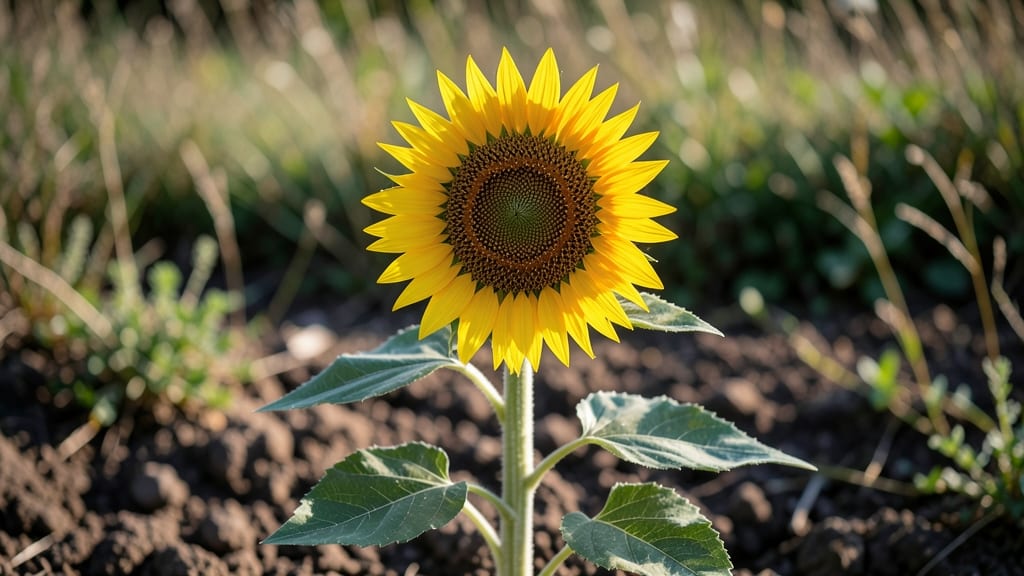
Sunflowers have a sunflower bloom time of 60 to 120 days after planting, depending on the variety and growing conditions, turning your garden into a cheerful, sunlit spectacle.
Picture this: you’ve just tucked those tiny seeds into the soil in early spring, and by midsummer, towering 🌻 blooms are drawing bees and brightening every corner of your yard.
But here’s the catch—some varieties pop up in as little as 45 days, while others take nearly four months to reach their full glory. The difference? It’s all in the genetics, your climate, and a few simple tricks you can use to fine-tune the timing.
If you’re in USDA Zone 6a, like many gardeners, planting in April means you’ll likely see those first golden faces by July—just in time for peak summer color. But what if you want to stretch the season or coax blooms earlier?
The secret lies in choosing the right sunflower type, adjusting your planting schedule, and giving them the ideal growing conditions. I’ll break down exactly how to do it, so you can enjoy sunflowers from early summer straight through to fall.
Ready to unlock the secrets of predictable, stunning blooms? You’ll learn which varieties bloom fastest, how to tweak your planting date for your specific zone, and even how to delay blooming for a longer display. Let’s get those sunflowers popping on schedule!
Sunflower bloom time by popular variety and growth stages
If you've ever planted sunflower seeds hoping for a summer spectacle, you know the wait can feel endless. The truth is, sunflower bloom times vary dramatically by variety, with some reaching their peak flower in just 60 days while others take 120 days or more.
Choosing the right type for your garden season is key to avoiding disappointment—and maximizing those golden displays. Let's break down exactly what to expect from your favorite sunflower types.
Most gardeners focus on two key factors when selecting sunflowers: days to maturity and final height.
The Mammoth varieties, for example, can tower over you at 12+ feet but may take 100+ days to bloom, while dwarf varieties like Teddy Bear reach just 2-3 feet in 50-60 days.
Understanding these differences helps you plan for staggered blooming or create height variations in your garden beds.
The Russian Giant variety is the classic showstopper, but its 120-day bloom time means you'll need to plant early in your zone to enjoy its 12-foot-tall blooms before frost.
In USDA Zone 5, for example, I always plant mine by May 1st to ensure they bloom by September 15th. For shorter seasons, consider the ProCut variety, which blooms in just 60-70 days—perfect for Zone 4 gardeners who want late-summer color.
If you're aiming for early summer blooms, dwarf varieties like Teddy Bear and Sunspot are my go-to choices. These 50-65 day varieties can even be started indoors 4-6 weeks before your last frost date to give them a head start.
I've found that transplanting them outdoors when they're 4-6 inches tall helps them establish faster and bloom even earlier. For container gardening, these dwarf types are ideal since they rarely exceed 3 feet in height.
One common misconception is that all sunflowers follow the same growth stages. In reality, their vegetative growth (leaf production) and reproductive growth (flower bud formation) timelines vary.
The Mammoth types, for instance, spend 40-50 days in vegetative growth before even forming flower buds, while dwarf varieties may only take 20-30 days to transition. This difference explains why some sunflowers seem to "bolt" (go straight to flowering) while others linger in the leafy stage.
For garden planning, I recommend creating a sunflower succession schedule. Plant early bloomers like Teddy Bear in early May, followed by mid-season varieties like ProCut in late May, and finish with late bloomers like Russian Giant in early June.
This staggered approach ensures you have continuous blooms from July through September. In my Zone 7 garden, this method gives me sunflowers for nearly 3 months, which is perfect for attracting bees and hummingbirds all summer long.
When selecting varieties, don't overlook the bicolor and multicolored types like Autumn Beauty and Moulin
How growing Zone and climate affect sunflower bloom speed
Your USDA growing zone and local microclimate play a bigger role in sunflower bloom speed than you might think. While most varieties bloom in 60-120 days, gardeners in Zone 3 face frost risks that delay blooms, while Zone 10 gardeners enjoy extended growing seasons.
These differences can shift bloom windows by 30-60 days—meaning your summer display might arrive earlier or later than expected.
Sunflowers thrive in warm temperatures (70-85°F), but they’re sensitive to late frosts and heatwaves. In cooler zones, early planting risks frost damage, while late planting cuts bloom time short.
Meanwhile, humidity levels and soil warmth further tweak their timeline. Let’s break down how these factors interact by region and what you can do to optimize bloom speed.
| USDA Zone | Avg. Bloom Time | Key Climate Factors | Adjustment Tips |
|---|---|---|---|
| 3-5 (Cold Climates) | 90-120 days | Short season, late frosts, cool soils | Use fast-blooming varieties (e.g., 'Teddy Bear'), plant in black plastic mulch to warm soil |
| 6-8 (Temperate) | 60-90 days | Moderate temps, variable rainfall | Plant after last frost; stake tall varieties to prevent lodging |
| 9-11 (Hot/Dry) | 50-70 days | Long, intense heat, low humidity | Choose heat-tolerant varieties (e.g., 'ProCut'), water deeply at soil level |
Take the Pacific Northwest vs. Deep South as a case study. In Zone 8 Seattle, gardeners plant sunflowers in mid-May for July blooms, but cooler summers can stretch bloom time to August.
Meanwhile, in Zone 9 Houston, planting in early March yields blooms by May—thanks to warmer soils and longer daylight. These regional differences highlight why blindly following variety tags (which often assume Zone 5-9) can backfire.
Microclimates add another layer. A south-facing slope in Zone 6 might mimic Zone 7 conditions, accelerating blooms by 2-3 weeks. Conversely, a shady garden corner or urban heat island can disrupt timing.
To account for this, I recommend testing soil temperature with a probe—sunflowers need 50°F+ soil to germinate consistently. If your soil runs cold, try raised beds or row covers.
Extending the bloom window is easier than you’d think. In short-season zones, stagger plantings every 2 weeks for continuous blooms. In hot climates, provide afternoon shade to prevent bolting.
And if late frosts threaten, opt for dwarf varieties like 'Moulin Rouge' (36" tall), which bloom faster and resist wind damage. These tweaks can turn a one-month bloom into a three-month display.
Remember, sunflowers are resilient but not invincible. Heatwaves above 95°F or prolonged rain can stress plants, delaying blooms. Monitor your garden closely, and don’t hesitate to prune lower buds to direct energy to the main flower.
With the right adjustments, you’ll enjoy sunflowers blooming right when you want them—whether that’s for summer weddings, fall harvests, or simply year-round color.