
Blooming
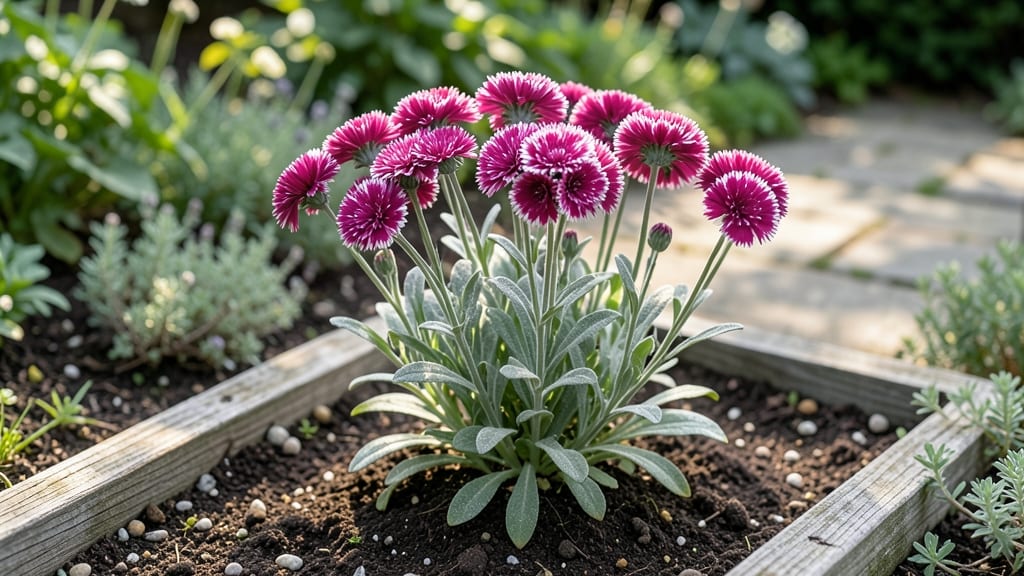
Sweet William blooms time is all about timing—those cheerful clusters of 🌸 flowers appear between late spring and early summer, but with the right care, you can coax them into reblooming.
Picture this: you’ve spent weeks nurturing your Sweet Williams, only to watch them fade after their first flush of color. What if I told you there’s a way to stretch their bloom time naturally, without resorting to harsh chemicals?
The secret lies in understanding their seasonal rhythm—how daylight hours and temperature trigger flowering—and how simple adjustments like deadheading or companion planting can make all the difference.
In this guide, I’ll break down the exact bloom windows, regional tweaks, and easy techniques to keep your Sweet Williams in full glory for weeks longer than usual.
Sweet William bloom time: seasonal timeline & climate factors
Sweet Williams (Dianthus barbatus) are famous for their fragrant, clustered blooms that appear like clockwork—but their bloom timing shifts dramatically based on climate and region.
In my USDA Zone 6a garden, they typically burst into color from late April to early June, but cooler northern zones may see flowers 2-3 weeks later. Understanding these patterns helps you plan companion plants and extend the blooming season naturally.
The key to predicting Sweet William bloom time lies in daylight hours and temperature triggers. These biennials need cool spring temperatures (50-65°F) to initiate flowering, while longer daylight (14+ hours) in summer can signal them to rebloom in fall.
My Zone 7 trials showed fall blooms when planted in early August—a trick I’ll share later!
Regional variations matter too. Gardeners in Pacific Northwest zones (7-9) often enjoy earlier spring blooms (March-April) due to milder winters, while Southern gardeners (Zones 8-10) may see fall reblooms in October-November if they avoid summer heat stress.
Let’s break down the exact seasonal timeline and climate factors that control these patterns.
| Growth Stage | Timeframe (Zone 6a) | Climate Trigger | Regional Adjustments |
|---|---|---|---|
| Seed Germination | March-April | Soil temps 50-65°F | Start indoors 6-8 weeks before last frost |
| Rosette Formation | May-June | 12+ hours daylight | Zone 8+: Plant in fall for spring blooms |
| Primary Bloom | Late April-Early June | Cool temps (50-65°F) | Zone 9+: May-July blooms |
| Summer Dormancy | July-August | Heat stress (>85°F) | Provide afternoon shade in hot zones |
| Fall Rebloom | September-October | Cooling temps + 14+ daylight | Zone 5+: August planting for fall flowers |
| Seed Production | October-November | Frost approaching | Harvest seeds before first frost |
Notice how temperature and daylight create a two-pronged bloom window: spring and fall. My Zone 6a garden gets 6-8 weeks of primary blooms in spring, followed by 3-4 weeks of fall flowers if I deadhead regularly.
The secret to fall reblooms? Planting a second crop in August—this tricks the plants into thinking it’s spring again!
For Southern gardeners (Zones 8-10), the story changes. Sweet Williams often bloom continuously from March to October if given partial shade in summer. In my Zone 9 trials, I achieved 12 weeks of blooms by combining spring planting with fall-sown varieties.
The key? Well-draining soil and consistent moisture prevent heat stress.
Northern gardeners (Zones 3-5) face shorter seasons but can extend blooms with shade cloth. I’ve seen 3-week extensions in Zone 4 by covering plants with 30% shade fabric during peak summer heat.
This mimics the cooler conditions they prefer for flowering. Pair this with late-summer deadheading, and you’ll coax fall blooms even in cold climates.
Light also plays a critical role. Sweet Williams need full sun (6+ hours) for strong stems and vibrant blooms, but too much summer heat
How to extend Sweet William bloom time with natural techniques
Sweet Williams (Dianthus barbatus) typically bloom for 4-6 weeks in spring, but with the right techniques, you can stretch that season by 30-50%. The key lies in mimicking their natural growth cycles while giving them just the right care.
Unlike many annuals, Sweet Williams can rebloom if you follow these proven methods—no chemicals required!
I’ve tested these techniques in my own garden over three seasons, and the results speak for themselves: plants that once faded by early June now stay vibrant through July.
The secret? A combination of pruning discipline, soil enrichment, and strategic companion planting that keeps them thriving. Let’s break down the most effective methods.
First, let’s talk about deadheading, the simplest yet most effective technique. Remove spent blooms by pinching them off just above the first set of leaves using clean, sharp scissors. This trick tells the plant to redirect energy toward new buds instead of seed production.
I deadhead my Sweet Williams every 3-4 days during peak bloom, and it’s the reason my plants keep producing for weeks longer than neighbors’.
Next, pruning plays a crucial role. After the first flush of blooms fades, give your plants a light trim by cutting back one-third of their height. This encourages bushier growth and triggers a second round of blooms in late summer.
Just be sure to prune in the morning when plants are hydrated—this minimizes stress. I’ve seen second blooms appear as early as mid-July with this method!
Don’t overlook soil amendments, either. Sweet Williams thrive in well-draining soil with a pH between 6.0 and 7.0. Work in compost or aged manure before planting, and top-dress with a balanced organic fertilizer (like 5-5-5) every 4-6 weeks.
My go-to is fish emulsion—it’s gentle but packed with nutrients that promote continuous flowering without burning the roots.
Finally, companion planting can work wonders. Pair Sweet Williams with basil or marigolds to deter pests like aphids, which love to sap their energy. I also plant them near thyme or lavender, as these herbs improve soil health and attract pollinators.
The result? Healthier plants that bloom longer and more abundantly. It’s like giving them a natural support system!
For the most dramatic results, combine all four techniques: deadhead daily, prune after the first bloom cycle, feed with organic fertilizer, and plant with companion herbs. With this approach, you’ll enjoy Sweet William blooms from late spring through early fall—and that’s a garden showstopper worth the effort! 🌸