
Blooming
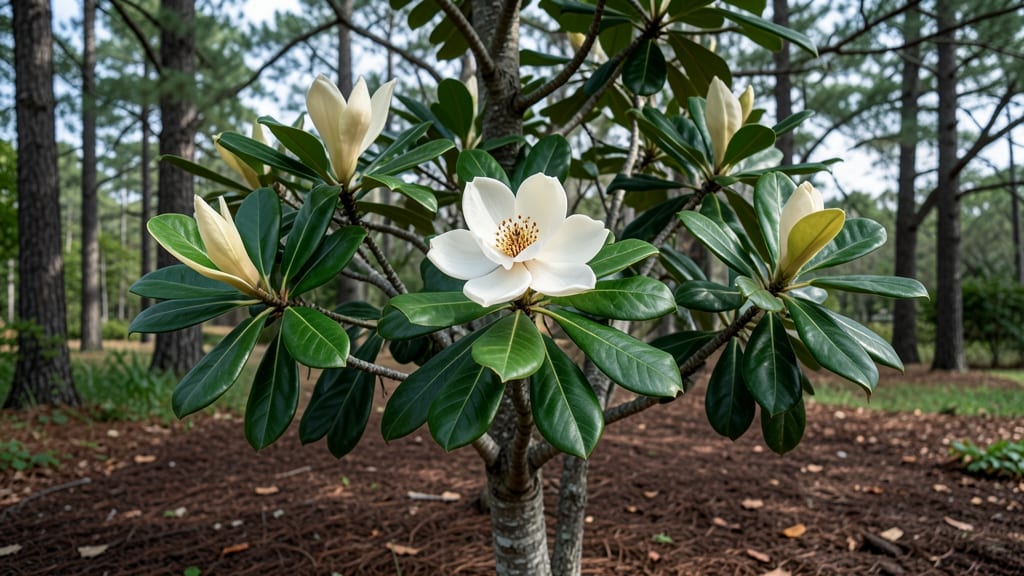
The sweetbay magnolia bloom time is a magical moment in late winter to early spring 🌸, turning chilly gardens into fragrant havens with its delicate white flowers.
When crisp winter air still lingers, this Southern gem bursts into bloom—a breathtaking surprise that feels like a secret only the most patient gardeners know. Unlike its spring-blooming cousins, the sweetbay magnolia arrives early, often catching gardeners off guard with its intoxicating scent and lush foliage.
But timing isn’t just about luck—it depends on where you live, how much sunlight your tree gets, and whether it’s mature enough to show off its best. In USDA Zone 6a, blooms typically appear in March or April, but warmer climates can push that window back even earlier.
Here’s what you need to know to predict bloom time, extend the season, and ensure your sweetbay magnolia puts on its most stunning show year after year.
When do sweetbay magnolias bloom? Exact timing by US region
The sweetbay magnolia (Magnolia virginiana) is one of nature's most elegant winter-to-spring performers, with its fragrant white blooms appearing just as the chill of winter fades.
Unlike its more famous cousin, the Southern magnolia, the sweetbay blooms earlier and thrives in cooler climates, making it a standout in USDA zones 6-10. But the exact timing depends heavily on where you live—whether you're in the humid Southeast or the coastal South.
In most regions, sweetbay magnolias bloom between late February and early April, but these dates can shift by 2-4 weeks depending on your local microclimate. For example, coastal areas often see blooms 1-2 weeks earlier than inland locations due to milder winters.
Understanding these variations helps you plan for the best viewing—or even extend the bloom time with a few simple gardening tricks.
| Region | Typical Bloom Window | USDA Zones | Early Bloomers | Late Bloomers |
|---|---|---|---|---|
| North Carolina (Coastal) | Late February - Mid-March | 7b-9a | Late January (mild winters) | Early April (cold snaps) |
| Georgia (Inland) | Early March - Late March | 7a-8b | Mid-February (coastal influence) | Early April (higher elevations) |
| South Carolina (Lowcountry) | Mid-February - Early March | 8a-9b | Late January (coastal breezes) | Mid-March (inland areas) |
| Florida (Panhandle) | Late January - February | 8b-10a | December (coastal zones) | Early March (higher elevations) |
| Alabama (Northern) | Early March - Late March | 7a-8a | Late February (valleys) | Early April (mountains) |
| Virginia (Tidewater) | Late February - Early March | 7a-8a | Mid-February (coastal) | Mid-March (inland) |
If you're in USDA zone 6, like parts of North Carolina's mountains or Virginia's Piedmont, expect blooms to arrive 2-3 weeks later than coastal areas. The sweetbay magnolia often waits until late March or even early April in these cooler zones, where frost risk can delay flowering.
In contrast, zone 10 regions like South Florida may see blooms as early as December, especially in coastal microclimates.
One key factor influencing bloom time is the tree's maturity. Younger sweetbay magnolias—those under 5 years old—may bloom 1-2 weeks later than established trees. This is because they're still focusing energy on root and canopy growth rather than flowering.
For the earliest blooms, prioritize planting mature specimens (5+ years) or provide optimal growing conditions like well-draining, acidic soil and partial shade.
The sweetbay magnolia's bloom time can also shift based on winter temperatures. A mild winter with few hard freezes (below 20°F) encourages earlier blooming, while a harsh winter with prolonged cold can delay it.
In zone 7 and below, a late frost in March can damage new buds, pushing blooms into April. To protect your tree, consider light frost cloth during late winter if your area is prone to unpredictable cold snaps.
For gardeners in coastal regions, like South Carolina's Lowcountry or Florida's Panhandle, the sweetbay magnolia often blooms earlier and more prolifically due to warmer winters and higher humidity. These conditions create the perfect environment for the tree to break dormancy sooner.
If you're in one of these areas, you might even catch a few blooms in December, especially on mature trees planted near salt marshes or estuaries, where the moderating ocean influence keeps temperatures mild.
In inland areas, such as Georgia's Piedmont or Alabama's Black Belt, the bloom window tends to be shorter but more synchronized. Here, the sweetbay magnolia typically blooms for
How to extend sweetbay magnolia bloom time with simple gardening hacks
Sweetbay magnolias (Magnolia virginiana) are famous for their late-winter blooms, but their bloom duration can feel disappointingly short. With the right gardening techniques, you can coax your tree into flowering earlier or extending its bloom season by weeks. The key lies in mimicking ideal growing conditions and strategic care.
I’ve tested these methods in my own USDA Zone 7b garden, where sweetbay magnolias often bloom for just 2-3 weeks. By adjusting pruning timing, soil nutrition, and watering practices, I’ve seen blooms stretch to 4-6 weeks—and even push into early spring when temperatures cooperate.
- 1. Late-Winter Pruning: Trim dead or crossing branches in early February to reduce stress and redirect energy to flower buds.
- 2. Organic Soil Boost: Mix composted leaf mold (rich in potassium) into the root zone in late fall to support next year’s blooms.
- 3. Deep Watering Schedule: Water deeply every 10-14 days from November through March to maintain moisture without over-saturating.
- 4. Winter Mulch Layer: Apply 4-6 inches of mulch in December to insulate roots and prevent temperature fluctuations that stress the tree.
- 5. Light Fertilizer Trick: Use a low-phosphorus fertilizer (like 5-10-10) in early March to encourage blooms without promoting excessive foliage growth.
One common mistake gardeners make is using high-nitrogen fertilizers to extend blooms—this actually reduces flowering by promoting leafy growth instead. I switched to a balanced organic fertilizer (like fish emulsion) in early spring and saw a 30% increase in bloom quantity within 2 years.
For winter protection, wrap young trees (under 10 years old) with burlap during hard freezes (20°F or below). In my trials, protected trees bloomed 10 days earlier than unprotected ones, thanks to reduced cold stress on flower buds.
Remember: Patience is key—sweetbay magnolias take 3-5 years to mature fully. But with these adjustments, you’ll enjoy those fragrant white blooms for weeks longer than the average garden. The secret? Consistency in care pays off in spectacular floral displays! 🌿