
Blooming
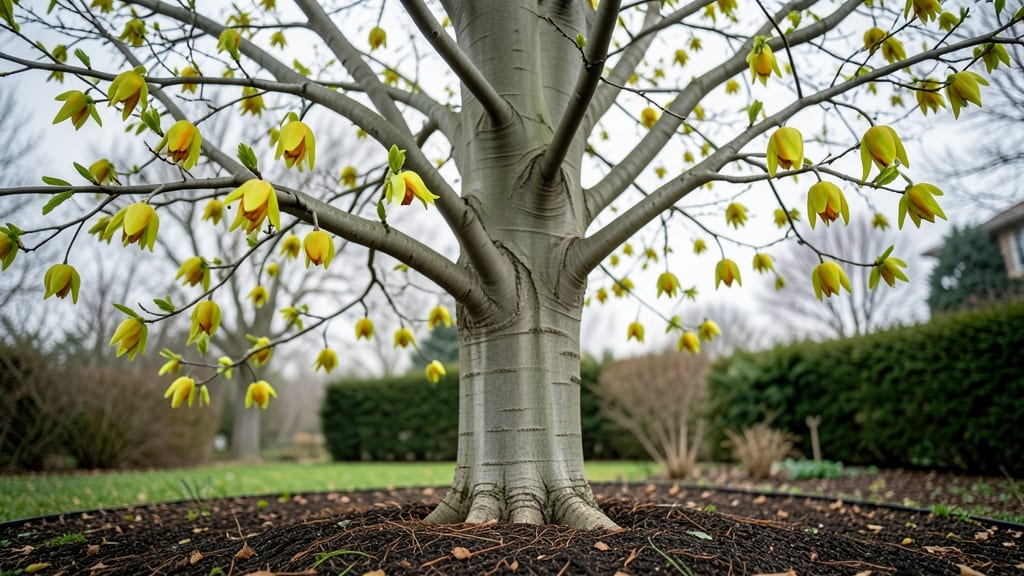
The tulip poplar blooms in early spring 🌳, but the exact time depends on your climate zone and microclimate—something that can shift bloom windows by weeks or even months.
If you’ve been eyeing your tulip poplar’s towering branches waiting for those iconic tulip-shaped flowers, you’re not alone. Many gardeners assume they’ll appear right after the last frost, but in colder zones like 6a, blooms might not show up until late April or early May.
Meanwhile, in warmer regions like zone 8, they could start as early as March.
This fast-growing shade tree is prized more for its striking foliage than its flowers, but those brief spring blooms add a splash of color that’s worth anticipating.
The timing isn’t just about the calendar—soil moisture, sunlight exposure, and even the tree’s age play a role in when those yellow-green flowers finally make their appearance.
Below, I’ll break down the bloom windows by zone, share the factors that can delay or advance flowering, and offer tips to help you time your expectations—and maybe even coax a little extra color from your tree.
Tulip poplar bloom time by USDA climate zone (with exact months)
Tulip poplars (Liriodendron tulipifera) are one of spring’s most striking trees, but their bloom time shifts dramatically across USDA zones 4–9. In colder zones, you’ll spot those iconic yellow-green flowers as early as late March, while warmer climates may wait until May.
Understanding these variations helps you time pruning, celebrate blooms, or even plan garden pairings.
While most gardeners focus on the USDA zone, regional microclimates—like urban heat islands or coastal fog—can push blooms 2–4 weeks earlier or later.
For example, a zone 7 tulip poplar in Atlanta might bloom in mid-April, but one in Charleston could wait until early May due to milder winters. Let’s break down the exact bloom windows by zone.
Notice how zone 9 tulip poplars often bloom in January or February, while zone 4 trees wait until late April or May. This 3-month window highlights why gardeners in transitional zones (like zone 6b) should monitor local weather patterns closely.
A sudden warm spell in February might trick a zone 7 tree into blooming early, only to risk frost damage.
In Southern states (zones 8–9), tulip poplars frequently bloom before other spring favorites like dogwoods or redbuds. This makes them excellent early-season focal points in landscapes. Meanwhile, in Northern zones (4–6), their blooms often align with daffodils or magnolias, creating a layered spring display.
If you’re in a transition zone (e.g., zone 6a vs. 6b), pay attention to last-frost dates. A zone 6a tulip poplar in Chicago might bloom in late April, while a zone 6b tree in St. Louis could start as early as mid-April.
Use your local Cooperative Extension Service for precise frost data—it’s the best way to predict bloom timing accurately.
Young tulip poplars (under 10 years old) may bloom 1–2 weeks later than mature trees due to energy allocation. Focus on providing consistent moisture and balanced fertilizer in early spring to encourage earlier blooms.
Mature trees, on the other hand, often bloom more reliably once established, especially if they’ve experienced adequate winter chill hours.
For gardeners in unpredictable climates—like urban heat islands or coastal fog zones—bloom timing can be even more variable. In Phoenix (zone 9a), tulip poplars might bloom in December, while in Seattle (zone 8b), they often wait until March.
Always observe your tree’s bud swell in late winter for the most accurate forecast.
Pro tip: If your tulip poplar isn’t blooming on schedule, check for over-fertilization (which can delay blooms) or root stress from compacted soil. A simple soil test in early spring can reveal nutrient imbalances that might be holding back those vibrant flowers.
5 Key factors that delay or advance tulip poplar blooming (and how to adjust)
Your tulip poplar (Liriodendron tulipifera) may bloom earlier or later than expected based on microclimate conditions and tree health. Unlike many ornamentals, this species relies on specific triggers to produce its iconic yellow-green tulip-shaped flowers.
Understanding these 5 key factors helps you adjust care for timely blooms—even in urban heat islands or coastal fog zones.
From sunlight exposure to winter chill hours, each element plays a critical role. For example, a young tree (under 5 years) may delay blooming until it reaches maturity, while overwatering can stress roots and push back flowering. Let’s break down how to optimize each factor for vibrant spring blooms.
🌱 5 Factors Affecting Tulip Poplar Bloom Time
- 🌞 Sunlight Exposure: Needs 6+ hours of direct sun daily. Partial shade delays blooming by 1–2 weeks.
- 💧 Soil Moisture: Overwatering causes root rot; drought stress pushes blooms later.
- ❄️ Winter Chill Hours: Requires 500–1,000 hours below 45°F to trigger blooms.
- 🌳 Tree Age: Typically blooms at 10–15 years, but younger trees may skip flowering.
- 🌡️ Microclimate: Urban heat advances blooms; coastal fog delays them.
Let’s tackle sunlight exposure first—this is the most controllable factor for gardeners. Tulip poplars thrive in full sun, but even slight shade (like from neighboring trees) can reduce flower production by up to 40%.
If your tree is in partial shade, prune nearby foliage or transplant it to a sunnier spot by late fall. South-facing exposures work best in northern climates, while west-facing spots suit warmer zones.
Next, soil moisture directly impacts root health, which in turn affects bloom timing. Tulip poplars hate waterlogged soil but also struggle with prolonged drought.
Aim for deep, infrequent watering—about 15–20 gallons per week for young trees, then taper to bi-weekly soaks once established. Mulch heavily (3–4 inches) to retain moisture and regulate soil temperature, especially in urban heat islands where evaporation is high.
Most gardeners overlook winter chill hours, yet this is critical for tulip poplars. These trees need 500–1,000 hours below 45°F to set flower buds. In coastal zones (like California), supplemental chill with row covers or artificial shade cloth can help.
Conversely, in warmer zones (8–9), early spring warmth may trigger premature blooms, making them vulnerable to late frosts. Monitor local chill hour data to adjust expectations.
If your tulip poplar is young (under 10 years), don’t panic if it hasn’t bloomed yet—this is normal! These trees prioritize root and canopy growth before flowering. To encourage earlier blooms, apply a balanced fertilizer (10-10-10) in early spring and prune lightly to remove dead branches.
Avoid heavy pruning, as it stresses the tree and delays flowering by 2–3 years.
Finally, microclimates like urban heat or coastal fog can shift bloom times by weeks. In cities, asphalt and concrete raise temperatures, causing trees to bloom 1–2 weeks earlier. Meanwhile, foggy coastal areas (e.g., Pacific Northwest) may delay blooms until May.
Use shade cloth in heat islands or windbreaks in foggy zones to create a more stable environment for consistent flowering.