
Blooming
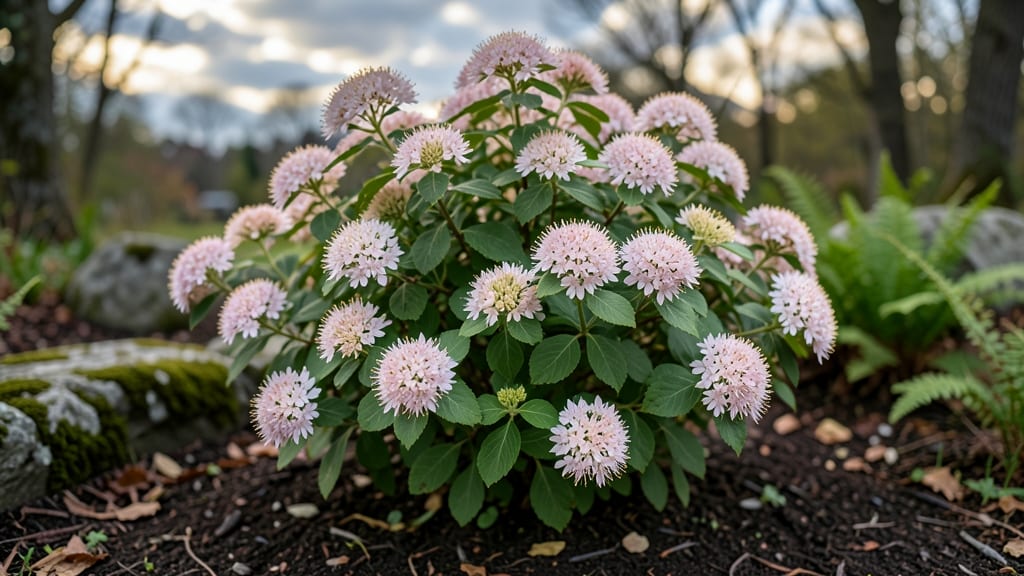
Viburnum blooms in spring—but the exact timing depends on your variety and climate, with some species like Viburnum bodnantense lighting up winter gardens while others wait until late spring.
Wondering why your viburnum shrubs aren’t blooming as expected? The secret lies in understanding their natural bloom cycles—and how strategic pruning can coax stunning reblooms year after year.
From early spring’s delicate clusters to fall’s late surprises, these shrubs thrive when you match their needs to your region’s USDA Zone 6a rhythms. Learn how to read their signals, adjust care, and even extend their show with the right techniques.
Inside, you’ll discover when to prune for reblooms, which varieties deliver the longest displays, and how to troubleshoot common blooming roadblocks—so your garden stays in full, fragrant bloom.
Natural Viburnum bloom time: seasonal patterns by species
Viburnums are prized for their stunning clusters of flowers, but their bloom times vary dramatically by species. Understanding these patterns is key to planning your garden’s seasonal displays. Some varieties burst into bloom in early spring, while others wait for late spring or even fall.
Even within the same species, regional climate shifts can delay or advance flowering by weeks.
For example, Viburnum bodnantense (Winter Jasmine) is famous for its late winter to early spring blooms, often appearing as early as February in mild climates. Meanwhile, Viburnum plicatum (Japanese Snowball) typically blooms in late spring, around May, but can extend into early summer with the right care.
These differences matter when selecting varieties for your garden’s timeline.
Here’s a quick reference for the most popular viburnum species and their natural bloom windows:
If you live in USDA Zones 5–7, expect Viburnum bodnantense to bloom earlier, sometimes as soon as February, while Viburnum plicatum may wait until late May. In warmer Zones 8–10, late winter bloomers like Viburnum bodnantense might struggle unless planted in partial shade.
Always check your local frost dates—late frosts can damage buds just before opening.
For fall-blooming viburnums, like Viburnum burkwoodii, timing shifts to September–October. These varieties rely on short-day photoperiods, meaning they bloom when daylight shortens. Plant them where they’ll receive morning sun to avoid heat stress during bud formation.
Regional adjustments are critical. In the Pacific Northwest, Viburnum opulus often blooms in April, while in the Southeast, the same species may wait until May due to warmer winters.
To extend bloom seasons, pair early and late varieties—like Viburnum bodnantense with Viburnum plicatum—for a February-to-June floral show.
Pro tip: Monitor your viburnum’s bud development in late winter. Healthy buds should be plump and green, not shriveled or brown. If buds fail to open, it could signal drought stress, poor soil, or improper pruning the previous year. Adjust care accordingly to encourage next season’s blooms.
Understanding these patterns helps you time pruning, fertilizing, and even rebloom strategies. For instance, Viburnum opulus can rebloom on new wood if pruned right after its first flush. Stay tuned for our next section on pruning techniques to maximize your viburnum’s floral potential.
🌸
How to prune Viburnum for reblooming: step-by-step guide
Pruning your viburnum at the right time and with the right technique can transform a single spring bloom into a year-round floral spectacle. The key is understanding whether your variety blooms on old wood (last year’s growth) or new wood (current season’s growth).
Reblooming viburnums like Viburnum plicatum thrive with strategic cuts, while others need a gentler touch to avoid sacrificing next year’s flowers.
Timing is everything—prune too early, and you risk cutting off flower buds already set for next season. Prune too late, and you may stimulate unwanted growth that won’t have time to harden off before winter.
Let’s break down the science-backed steps to coax those repeat blooms while keeping your shrub healthy and vigorous.
Step-by-Step Pruning Guide for Reblooming Viburnum
-
1
Identify Your Viburnum Type
Check if your shrub blooms on old wood (e.g., Viburnum opulus) or new wood (e.g., Viburnum bodnantense). Rebloomers like Viburnum plicatum can handle post-bloom pruning. -
2
Wait Until After Full Bloom
For reblooming types, prune 4-6 weeks after flowering (late June-July in most zones). This ensures flower buds for next season are already forming. -
3
Remove Dead or Weak Wood
Cut out crossing branches, diseased stems, and thin, leggy growth at the base. Use clean, sharp pruners to prevent tearing. -
4
Thin for Air Circulation
Reduce overcrowded branches by 20-30% to improve airflow. This prevents fungal issues and encourages stronger reblooms next season. -
5
Avoid Heavy Pruning
Never cut back more than 1/3 of the shrub in one season. Rebloomers need mature wood to produce flowers—aggressive pruning risks reduced blooming. -
6
Clean Up and Mulch
Remove all pruned debris and apply 2-3 inches of mulch around the base. This protects roots and retains moisture for next year’s blooms.
One of the biggest mistakes gardeners make is pruning old-wood bloomers in late winter or early spring. These varieties set their flower buds the previous summer, so cutting back too early removes next year’s blooms entirely.
Always confirm your viburnum’s bloom type before reaching for the shears—your future floral displays depend on it.
For new-wood bloomers, you can prune more aggressively in late winter or early spring (just before new growth starts). This encourages vigorous new shoots that will produce flowers later in the season. Just be sure to sterilize your tools with rubbing alcohol between cuts to prevent spreading disease.
Pro tip: If your viburnum isn’t reblooming as expected, check for over-fertilizing with high nitrogen. Too much nitrogen promotes leafy growth at the expense of flowers. Switch to a balanced 10-10-10 fertilizer in early spring and again after blooming to support floral production without excessive foliage.