
Blooming
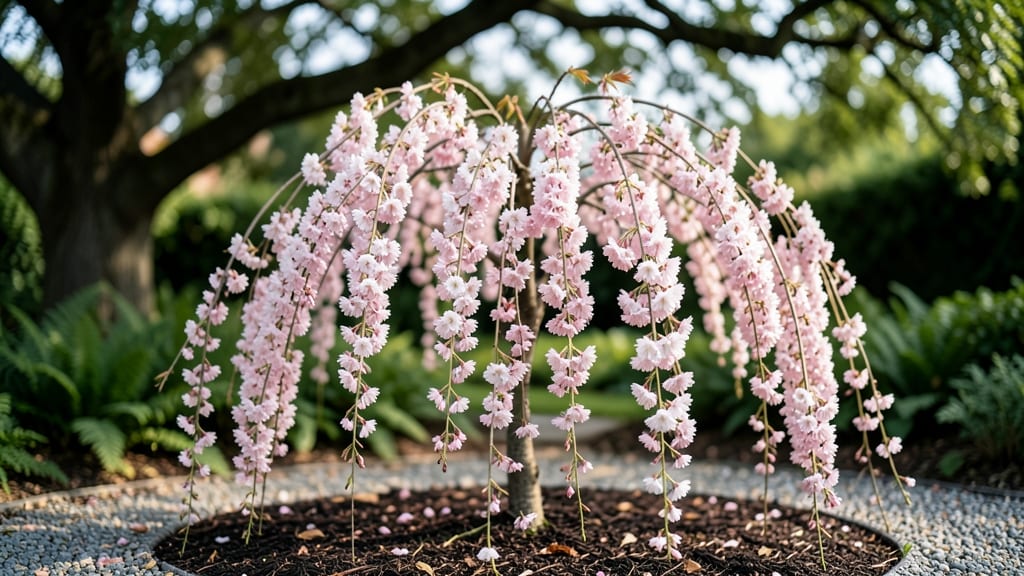
The weeping cherry bloom time is your golden ticket to a garden that bursts into color each spring 🌸 — but only if you plant the right variety in the right spot.
Picture this: cascading branches heavy with delicate pink or white blossoms, their scent drifting through your yard for weeks. Yet many gardeners miss the show entirely because they don’t know when their specific tree will bloom.
Some varieties burst into flower as early as late March, while others wait until May — and that timing can mean the difference between a showstopper and a disappointment.
In this guide, I’ll break down the exact bloom windows for popular weeping cherry types, including how climate and pruning habits shift those dates.
You’ll also learn how to stretch your tree’s flowering season by up to three weeks with simple care tweaks, so you can enjoy that dreamy display longer than ever.
Whether you’re planning a springtime photo shoot or just want to time your garden parties right, knowing these details will help you choose the perfect weeping cherry for your zone — and make sure it never blooms out of season again.
When do weeping cherry trees bloom? Exact months by variety
Weeping cherry trees are nature's living sculptures, with their graceful, cascading branches heavy with blossoms. But if you want to witness their full glory, timing is everything. These stunning trees typically bloom in late April to early May, but the exact window varies dramatically by variety and region.
In colder climates like USDA Zone 5, blooms may appear as early as mid-April, while warmer zones like Zone 8 might see flowers in May or even June. Understanding these differences ensures you'll never miss the show.
Climate plays a crucial role in bloom timing. Weeping cherries need a period of dormancy in winter to trigger spring blooms, typically requiring 100-200 chill hours below 45°F (7°C). Regions with mild winters may experience delayed or reduced flowering.
Additionally, late frosts can damage buds, so planting in sheltered locations or choosing frost-resistant varieties is key. Let's explore the exact bloom windows for popular weeping cherry varieties to help you plan your garden's spring spectacle.
🌸 Visual Comparison: Weeping Cherry Bloom Times
| Variety | Primary Bloom Month | Secondary Bloom Month | Bloom Duration | Flower Color | Climate Notes |
|---|---|---|---|---|---|
| 'Kwanzan' | Late April | Early May | 14-21 days | Deep pink | Early bloomer; needs chill hours |
| 'Skyland' | Early May | Mid-May | 10-14 days | White | Mid-season; drought-tolerant |
| 'Tieton' | Mid-April | Early May | 21-28 days | White | Early bloomer; cold-hardy |
| 'Cascade Snow' | Late April | Early May | 14-21 days | Pure white | Early bloomer; compact growth |
| 'Shirotae' | Early May | Mid-May | 10-14 days | White | Mid-season; disease-resistant |
The 'Tieton' variety
How to extend weeping cherry bloom time: pro tips for longer displays
Weeping cherry trees are famous for their stunning, cascading blooms, but their bloom duration can sometimes feel disappointingly short. With the right care, you can extend their display by weeks, ensuring your garden stays awash in color longer.
The secret lies in understanding their needs before, during, and after blooming season.
Many gardeners unknowingly shorten bloom time by over-pruning, neglecting soil health, or ignoring watering schedules. I’ve learned that consistent care—especially in late winter and early spring—directly impacts how long those blossoms last. Let’s dive into the proven strategies that’ll keep your weeping cherry in peak bloom.
🌸 Pro Tip: Prune at the Right Time
Avoid pruning after mid-summer—this removes next year’s flower buds. Instead, prune in late winter (before buds swell) to shape your tree without sacrificing blooms. Thin out 1/3 of old wood annually to improve air circulation and extend bloom duration.
Soil preparation is another critical factor. Weeping cherries thrive in well-draining, slightly acidic soil (pH 6.0–7.0). Amend heavy clay with compost or sand to prevent waterlogging, which stresses the tree and shortens bloom time.
I’ve seen trees in poor soil bloom for only 10–14 days, while those in enriched soil often stretch their display to 3–4 weeks.
Watering plays a pivotal role too. During bloom season, provide deep, consistent watering—about 10–20 gallons per week—to prevent stress. Let the top 2–3 inches of soil dry between waterings, but never let the roots dry out completely.
Mulch around the base with 2–4 inches of organic mulch to retain moisture and regulate soil temperature.
Weather can also cut bloom time short. Protect your tree from late frosts by placing frost cloth over it during cold snaps, especially for early-blooming varieties like 'Amanogawa'.
Conversely, heatwaves can cause buds to drop prematurely. Provide afternoon shade with lightweight shade cloth if temperatures exceed 90°F during bloom season.
Finally, avoid fertilizing during bloom—this diverts energy away from flowers. Instead, apply a balanced fertilizer (10-10-10) in early spring before buds swell. For established trees, a light feeding in late summer promotes next year’s buds. With these adjustments, you’ll transform a 2-week bloom into a month-long spectacle.