
Blooming
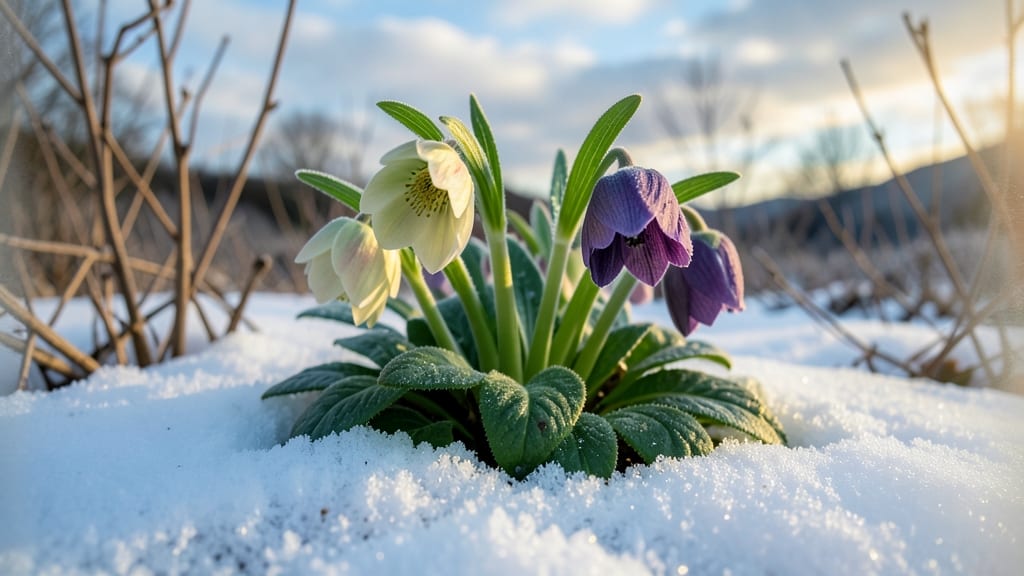
March signals the start of spring’s vibrant awakening. These 10 hardy flowers defy cold snaps with early blooms, offering color and life to gardens before summer’s abundance arrives.
Daffodils: Cheerful Yellow Harbingers of Spring
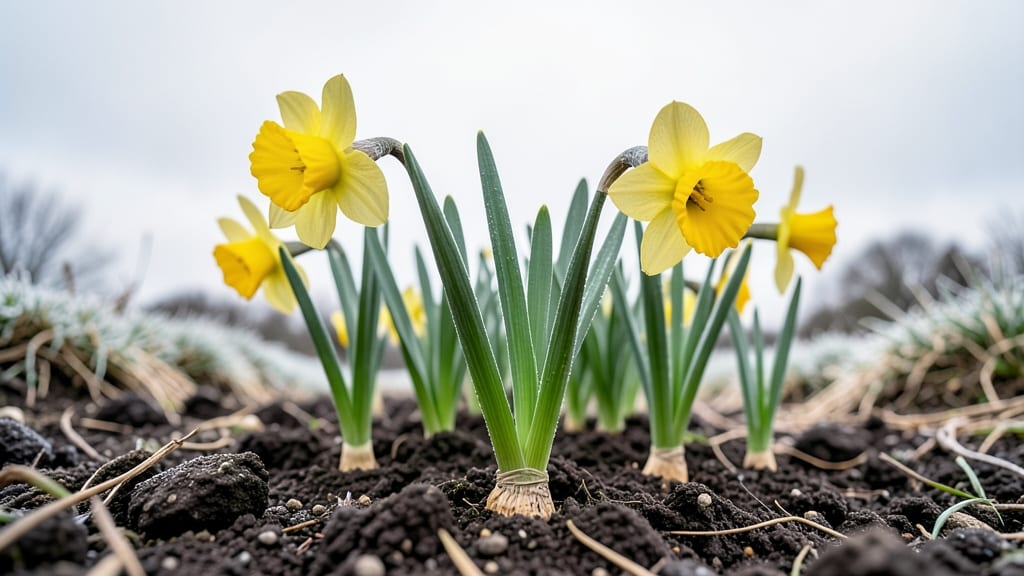
When March’s chilly winds still linger, daffodils burst through the soil like cheerful yellow beacons, announcing spring’s arrival with minimal fuss. These iconic perennials thrive in cool temperatures and even tolerate light frosts, making them one of the most reliable early bloomers.
Plant bulbs in fall for next-year blooms, and enjoy 6-8 weeks of vibrant color with almost no maintenance—just water occasionally and deadhead spent blooms to encourage reblooming. Their bold displays work beautifully in borders, containers, or even under trees where few other flowers dare to grow.
Perfect for beginners, daffodils symbolize renewal while demanding almost no effort—ideal for gardeners who want instant impact with long-lasting results. 🌻
Crocuses: Tiny Purple and White Garden Jewels
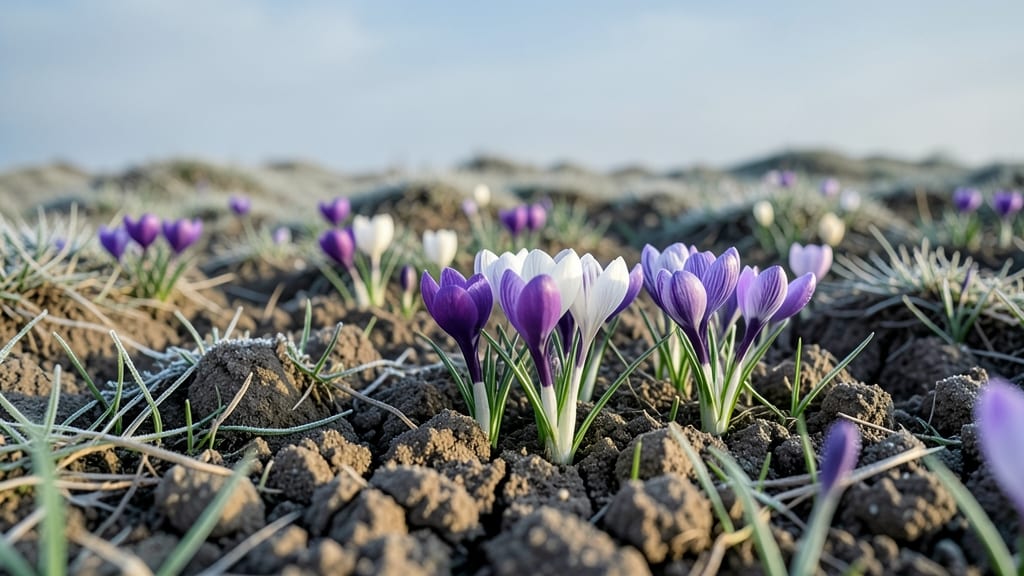
When the ground is still cold and most plants remain dormant, crocuses burst through with their cheerful purple, white, and striped blooms—proof that spring is on its way. These tiny, hardy flowers are nature’s way of announcing the season’s arrival, often appearing as early as late February in milder climates.
Perfect for naturalizing in lawns or brightening up containers, crocuses thrive in full sun to partial shade and prefer well-draining soil. Their winter-hardy nature means they’ll bounce back year after year, even after heavy snowfall. Plus, they’re a magnet for early pollinators like bees, giving them a head start on their foraging season.
Urban gardeners and busy homeowners will love how low-maintenance crocuses are—they multiply easily, require no staking, and even tolerate light foot traffic. Plant them in clusters for a dramatic early-season display that’s both practical and stunning. 🌻
Snowdrops: Delicate White Blooms for Shady Gardens
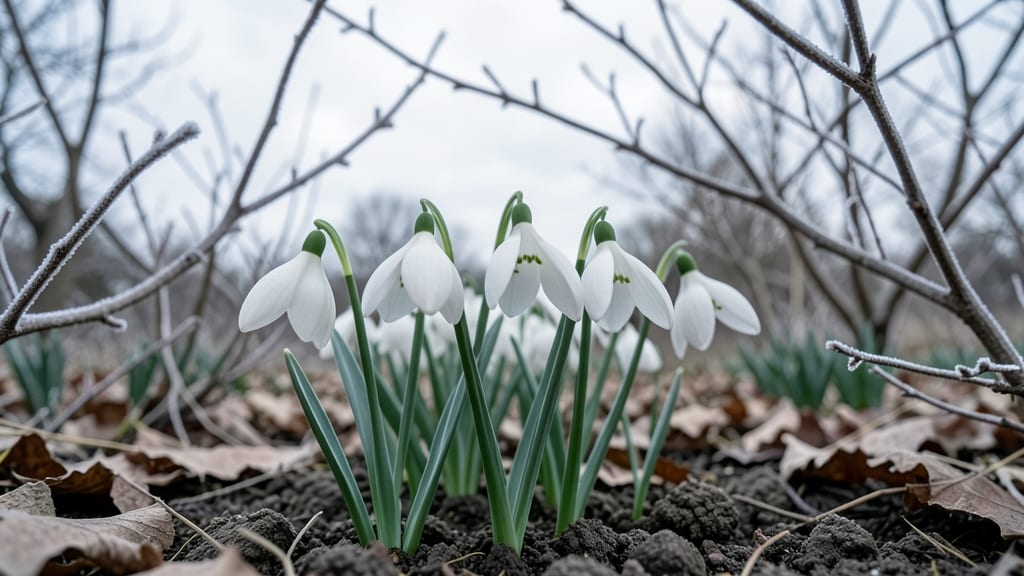
When your garden still looks bare in early March, snowdrops (Galanthus) are the unsung heroes—emerging through frost to deliver delicate white blooms that feel like a secret handshake from winter to spring.
These cold-hardy perennials thrive in partial shade, making them perfect for underplanting shrubs, brightening dark corners, or adding vertical interest near fences. Plant bulbs in fall for blooms as early as February, and enjoy their minimal care—they tolerate poor soil and even light foot traffic. Their drooping petals create a whimsical, almost fairy-tale appearance that lasts for weeks.
Ideal for woodland gardens, cottage-style borders, or containers, snowdrops reward patient gardeners with early color when little else is blooming. Perfect for beginners or shade-loving enthusiasts! 🌱
Pansies: Colorful Favorites for Cool Season Gardens
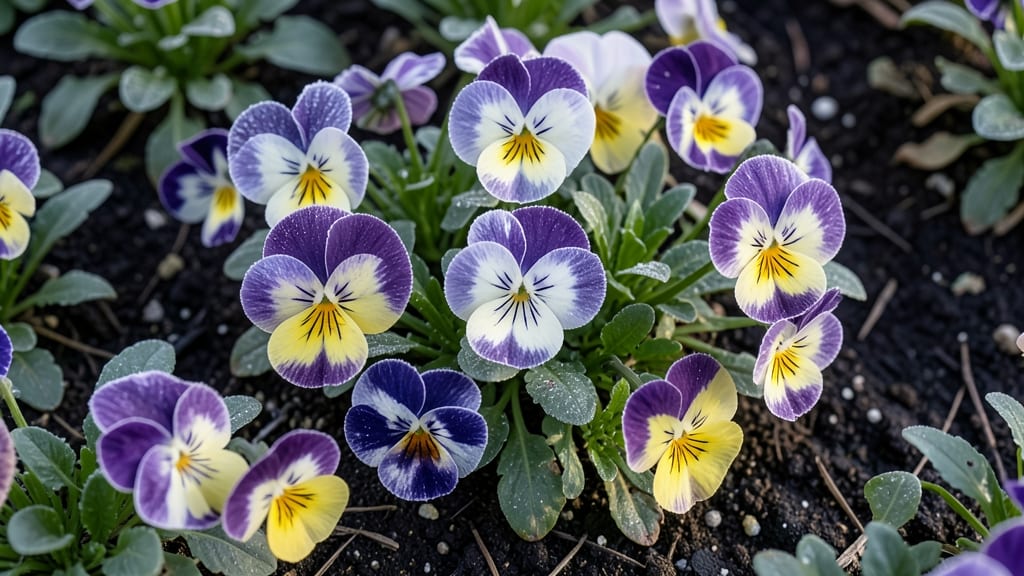
Looking for a frost-tolerant flower that adds charm to your garden while you can actually eat it? Pansies are the underrated stars of cool-season gardening, thriving when many other flowers are still dormant.
These cheerful annuals boast unique "faces"—those iconic patterns on their petals—and come in a rainbow of colors. Plant them in full sun to partial shade for continuous blooms from early spring through fall in most climates. Their edible petals add a peppery flavor to salads, making them a dual-purpose garden gem. Plus, they’re perfect for edging beds or spilling over container edges, where their compact size and vibrant hues create instant curb appeal.
Urban gardeners and beginners will love how easy pansies are to grow—just keep the soil moist and deadhead spent blooms. Their ability to withstand light frosts means you can enjoy them well into March and beyond. 🌻
Hyacinths: Fragrant Clusters in Vibrant Hues
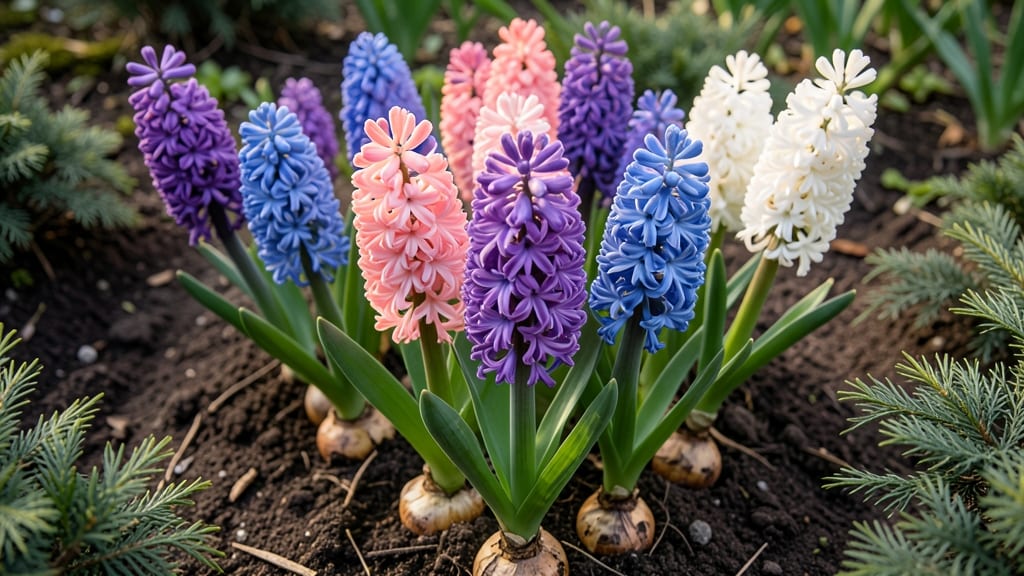
Bring a burst of fragrance and color to your early spring garden with hyacinths, whose sweet, intoxicating scent fills the air long before summer’s blooms arrive. These bold bulbs thrive in cool March temperatures and produce striking clusters of pink, purple, blue, or white flowers that stand out against bare winter soil.
Plant hyacinth bulbs in well-draining soil with full sun to partial shade, and they’ll reward you with 3-4 weeks of vibrant blooms with almost no maintenance. For indoor forcing, chill bulbs in the fridge for 10-12 weeks before potting—perfect for a fragrant Valentine’s or Mother’s Day gift. Their upright growth habit also makes them ideal for adding vertical interest to borders or containers.
Urban gardeners and small-space growers will love hyacinths—they’re compact yet dramatic, and their scent attracts early pollinators. Just beware their bulbs are toxic if ingested, so plant them where curious pets can’t dig them up. 🌷
Bleeding Hearts: Romantic Arching Stems for Shade
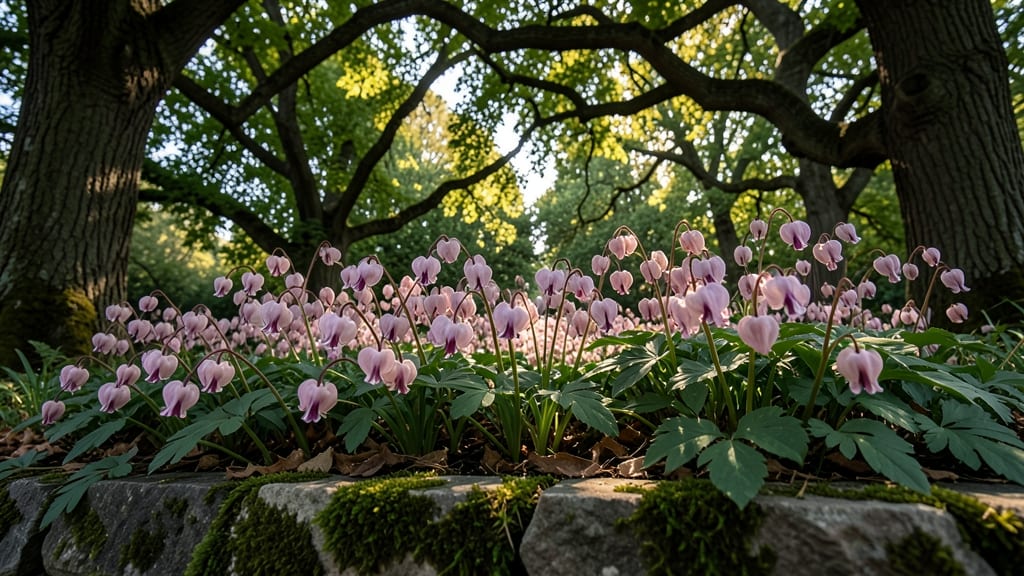
When your garden feels too dark for traditional blooms, bleeding hearts (Dicentra spectabilis) step in with their arching stems and heart-shaped flowers, thriving where others falter. These shade-loving perennials create a dreamy, romantic display that’s perfect for under trees, along fences, or tucked into foundation plantings where sunlight is scarce.
Plant them in moist, well-draining soil with partial to full shade, and they’ll reward you with pink, white, or red blooms from late spring through summer. Their fern-like foliage adds texture year-round, making them a low-maintenance star for woodland gardens. Prune spent flowers to encourage more blooms, and divide clumps every 3-4 years to keep them vigorous.
Ideal for gardeners who love drama without the sun, bleeding hearts pair beautifully with hostas and ferns for a lush, layered look. Their vertical growth habit also makes them perfect for adding height to shady corners. 💚
Primroses: Soft Pastels for Early Season Containers
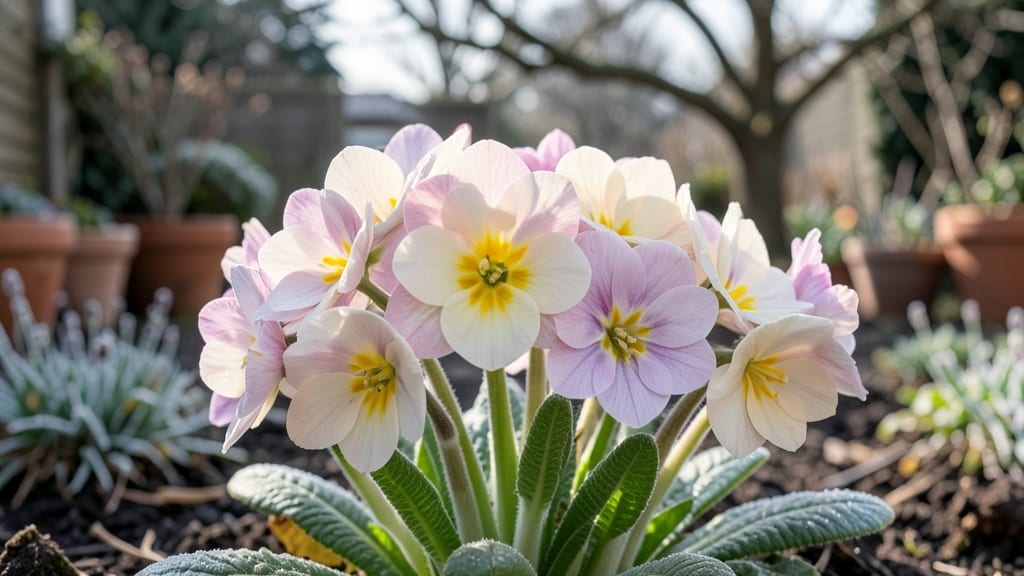
When you crave soft, dreamy blooms that defy March’s lingering chill, primroses deliver a velvety palette of pastels that brighten containers and cottage borders. Their delicate petals—ranging from blush pink to buttery yellow—thrive when most perennials are still dormant, making them the unsung hero of early spring gardens.
These cold-hardy perennials (like Primula vulgaris or Primula denticulata) love partial shade to full sun and prefer well-draining soil with consistent moisture. Plant them in containers with moss or compost to extend their bloom time, or tuck them into borders where they’ll multiply over time. Deadhead spent blooms to encourage more flowers, and fertilize lightly in spring for prolonged color.
Perfect for small-space gardeners or those who love a cottage-garden aesthetic, primroses offer low-maintenance charm with high visual impact. Their early blooms also attract bees, giving your garden a pollinator-friendly start. 🌷
Lungwort: Unique Silver-Leafed Perennial for Shade
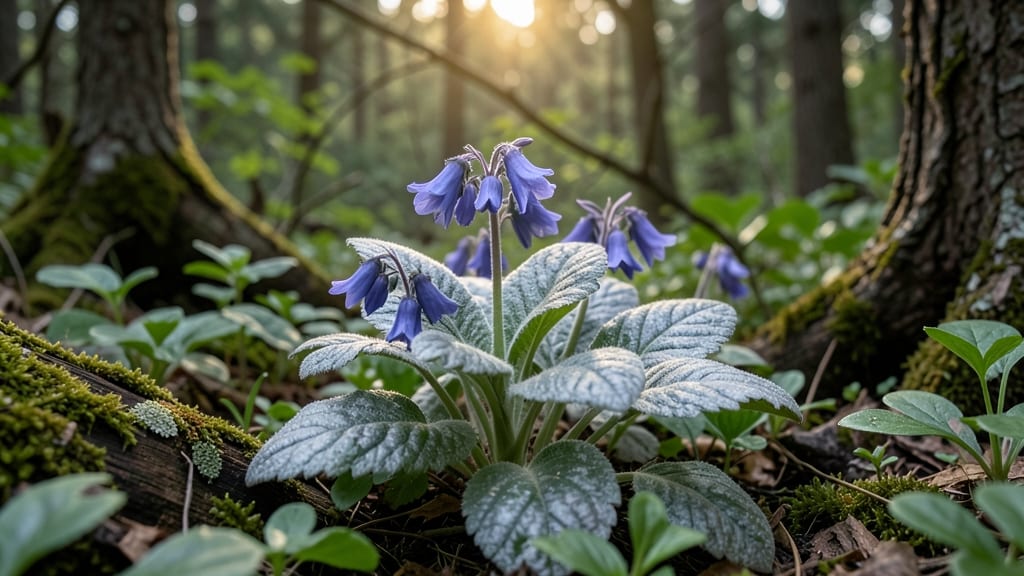
If your garden has shady spots where few plants dare to grow, lungwort (Pulmonaria) is your secret weapon—a striking perennial with silver-spotted leaves that stay beautiful even when not in bloom. Its early blue-purple flowers appear in late winter to early spring, often before other shade plants even wake up, making it a standout for March gardens.
This hardy plant thrives in moist, well-draining soil with partial to full shade, tolerating conditions where many perennials fail. The spotted foliage adds visual interest year-round, while its nectar-rich blooms attract early pollinators like bees. Simply divide clumps every few years to keep them vigorous—no fancy care required!
Perfect for woodland gardens, foundation plantings, or containers, lungwort offers low-maintenance beauty that brightens dark corners while supporting wildlife. Shade gardeners will love how it transforms dull spaces into living art. 💚
Sweet Alyssum: Tiny White Fragrance for Edging
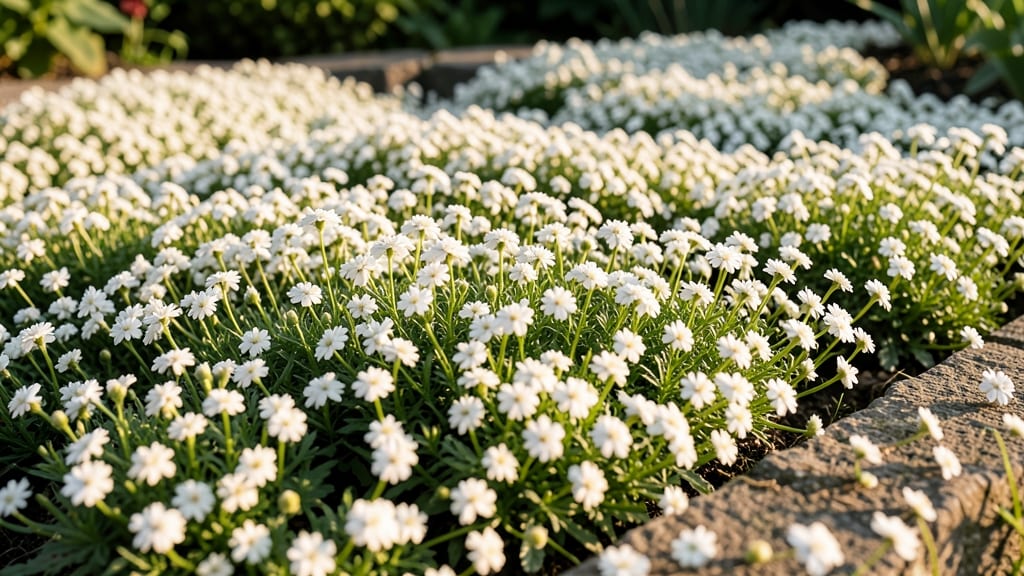
If you want to fill your garden with a sweet, honey-like fragrance that also attracts early pollinators, sweet alyssum is your tiny, white-flowered secret weapon. This low-growing annual creates lush, carpet-like mats of delicate blooms that spill beautifully over edges, making it perfect for edging paths, rock gardens, or even container spills.
Plant sweet alyssum in full sun to partial shade and enjoy its prolonged blooming from early spring through frost. Its self-cleaning habit means no deadheading is needed—spent blooms simply drop away, leaving room for new flowers. This drought-tolerant annual thrives in well-draining soil and even repels pests like aphids, making it a dual-purpose garden hero.
Ideal for beginners, urban gardeners with small spaces, or anyone looking to add fragrance and texture to their garden, sweet alyssum is the ultimate low-maintenance early bloomer. 🌱
Hellebores: Evergreen Flowers for Late Winter Blooms

When snow still blankets the ground and most gardens remain dormant, helleborus (commonly called hellebores) emerge like magical lanterns, offering dramatic, nodding blooms in shades of green, white, pink, and deep purple. These evergreen perennials thrive in shade to partial sun, making them the perfect solution for dark corners, woodland gardens, or under trees where few other plants dare to grow.
Plant helleborus in well-draining, humus-rich soil and water moderately—these tough plants tolerate drought once established. Their year-round foliage provides structure even when not in bloom, while flowers last for weeks in late winter to early spring. Deadhead spent blooms to encourage more flowers, and divide clumps every 3-5 years to keep them vigorous. Varieties like 'Annie’s Song' or 'Winter’s Song' offer stunning color contrasts that brighten even the gloomiest garden spots.
Ideal for gardeners who love low-maintenance plants with high impact, hellebores reward patience with decades of reliable blooms and minimal fuss. Their ability to thrive in shade makes them a dream for urban gardeners with limited sun or those seeking evergreen interest in woodland settings. 🌿