
Blooming
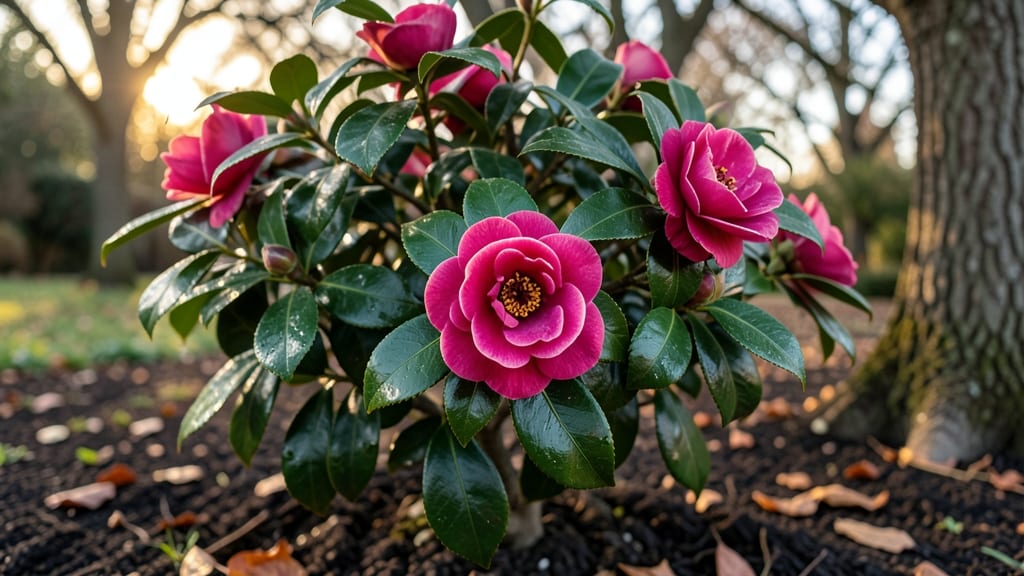
Winter in Florida isn’t just about palm trees and sunshine—it’s also the season when flowers bloom in vibrant colors, thriving in the mild climate while other regions face frost.
Picture this: your garden bursting with camellias, fragrant jasmine, and delicate azaleas, all while your neighbors up north are shoveling snow. That’s the magic of Florida’s winter-blooming flowers, which love the cooler temps and shorter days.
These hardy plants aren’t just pretty—they’re low-maintenance and perfect for adding year-round interest without the fuss. Whether you’re a seasoned gardener or just starting, these flowers bring life to your landscape when others are dormant.
Below, I’ll share the top winter bloomers for Florida, care tips tailored to your microclimate, and how to keep your garden vibrant all season long.
Top 10 cold-hardy winter flowers that thrive in Florida’s climate
Florida’s mild winters (typically 40°F to 70°F) create perfect conditions for winter-blooming flowers that many other regions can only dream of. Unlike northern climates, we don’t need to bundle up our plants—just choose the right cold-hardy varieties that naturally resist Florida’s occasional light freezes.
These 10 standout flowers will keep your garden vibrant from December through February without extra protection.
What makes these flowers special? They’re either native to Florida or adapted to our microclimates, from coastal breezes to inland dryness. Many also attract pollinators like hummingbirds and butterflies when other gardens are bare.
The key is selecting varieties that won’t bolt in heat or wilt in humidity—just thrive in Florida’s unique winter conditions.
Below is a curated list of the hardiest winter flowers, including bloom times, color palettes, and care essentials. Whether you’re designing a sun-drenched border or a shady woodland garden, these picks will ensure your landscape stays lively even in the cooler months.
My top pick for low-maintenance color is camellias, which bloom from December through March and thrive in Florida’s humid winters. Their glossy leaves add year-round interest, and they’re drought-tolerant once established. For a wildflower look, firebush is unbeatable—its
How to create a stunning winter garden in Florida: planting tips and layouts
Florida’s winter months offer the perfect opportunity to create a vibrant garden that stands out against the cooler weather. With the right plant selection and strategic layout, you can enjoy blooms from December through February without sacrificing beauty.
The key lies in understanding how to prepare your soil, group compatible plants, and adjust your care routine for the season.
Start by focusing on sun exposure, as winter sunlight patterns differ from summer. Most winter-blooming flowers thrive in full sun (6+ hours daily), but some shade-tolerant varieties like impatiens or heuchera can add texture in partially shaded areas.
I recommend mapping your garden’s sunlight zones first—this ensures you place sun-lovers where they’ll shine while protecting delicate blooms from harsh afternoon rays.
🌱 Winter Garden Essentials
- 🌿 Camellias – Thrives in partial shade, blooms Dec-Feb
- 🌹 Jasmine – Fragrant climber for trellises, needs full sun
- 🌷 Pansies – Cold-hardy annuals, great for borders
- 🌻 Snapdragons – Vertical interest, loves cooler temps
- 🌿 Winter Honeysuckle – Native pollinator magnet
Soil preparation is critical in winter—Florida’s sandy soils drain too quickly for most flowers. Amend your beds with 2-3 inches of compost and a balanced fertilizer (10-10-10) before planting. For container gardens, use a well-draining potting mix with added perlite to prevent root rot.
I’ve found that mulching with pine straw helps retain moisture while protecting roots from temperature swings.
Companion planting extends your winter garden’s lifespan by creating a symbiotic ecosystem. Pair fragrant jasmine with low-growing pansies to draw pollinators while adding height contrast. Another winning combo: camellias with heuchera for foliage interest.
This not only maximizes space but also reduces pests—many flowers naturally repel common garden insects when planted together.
Adjust your watering schedule to match winter’s slower growth—most plants need 30-50% less water than in summer. Water deeply 2-3 times per week in the morning to reduce fungal risks. I’ve noticed that drip irrigation systems work best in winter, delivering moisture directly to roots without wetting foliage.
Avoid overhead sprinklers, which can spread fungal spores in the damp, cooler air.
Finally, plan for seasonal maintenance to keep your winter garden thriving. Prune spent blooms regularly to encourage new growth, and fertilize lightly every 6-8 weeks with a low-nitrogen formula (like 5-10-10). Watch for scale insects on camellias and aphids on pansies—neem oil spray is my go-to for organic control.
With these tips, your winter garden will stay vibrant until spring’s first blooms arrive.