
Blooming
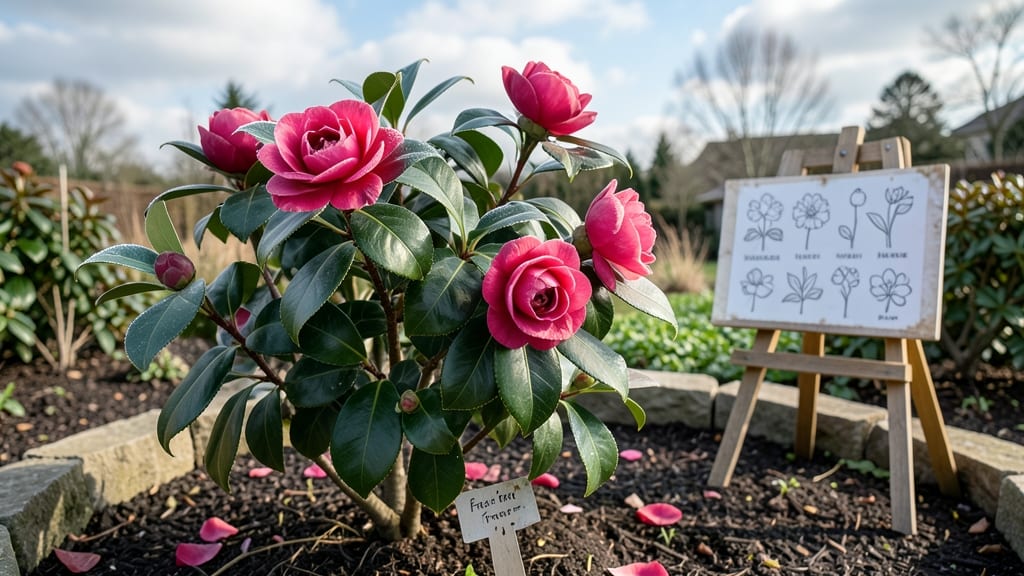
Camellias bloom in North Carolina between late fall and early spring, with timing that shifts dramatically depending on the variety and your corner of the state.
Picture this: your 🌸 camellia bushes erupting in color just as the holidays roll in, or a late-winter surprise when most gardens are still dormant. That’s the magic of NC’s climate—where Sasanqua camellias might already be showing off in November, while Japonicas hold off until February or March.
But here’s the catch: your USDA Zone 6b-8a location matters just as much as the variety. Mountain gardeners in Zone 6b often see blooms pushed back by colder winters, while Coastal gardeners in Zone 8a might enjoy a longer, earlier season.
Even a single degree difference can mean the difference between a Christmas display and a Valentine’s Day showstopper.
In this guide, I’ll break down exactly when to expect blooms by variety, how to read your local microclimate, and the simple tweaks that can coax your camellias into flowering earlier—or later—than the neighbors.
North Carolina camellia blooming seasons by variety type
North Carolina gardeners love camellias for their year-round interest, but bloom timing depends heavily on the variety type and your local microclimate. The state’s three distinct regions—Piedmont, Coastal, and Mountain—create unique bloom windows that can shift by 2-4 weeks depending on elevation and proximity to the coast.
Most camellias fall into three main categories: Sasanqua, Japonica, and hybrids. Each has its own peak bloom season, with some varieties offering fall blooms while others shine in late winter or early spring. Let’s break down what to expect in your backyard.
🌸 Sasanqua camellias are the fall bloomers, lighting up gardens from September through November. These varieties thrive in Coastal NC’s warmer winters and often rebloom lightly in spring. In the Piedmont region, expect blooms to start 2-3 weeks later due to cooler temperatures.
Japonica camellias are the winter-to-early-spring stars, with peak blooms from January through March. Their large, showy flowers make them a holiday garden staple, especially in Zone 7a and 8a. Mountain gardeners in Zone 6b may see delayed blooms until late March or April.
Hybrid camellias blend the best of both worlds, offering fall and spring blooms on the same plant. Popular NC-friendly hybrids like 'George Joseph' and 'Spring’s Promise' provide extended seasonal interest, with fall blooms in October-November and spring blooms in March-April.
| Variety Type | Primary Bloom Season | Coastal NC Timing | Piedmont Timing | Mountain Timing | Notes |
|---|---|---|---|---|---|
| Sasanqua | Fall | Sep–Nov | Oct–Dec | Nov–Jan | Fragrant, cold-hardy |
| Japonica | Winter-Spring | Jan–Mar | Feb–Apr | Mar–May | Large blooms, needs winter chill |
| Hybrids | Fall & Spring | Oct–Nov & Mar–Apr | Nov & Apr–May | Dec & May | Extended bloom seasons |
For Coastal NC gardeners, the mild winters create ideal conditions for earlier blooms. 'Yuletide' Japonicas often burst into bloom by Christmas, while 'Bonanza' Sasanquas light up fall gardens as early as September. The humid, subtropical climate near the coast also supports reblooming in many varieties.
In the Piedmont region, where Zone 7a conditions prevail, expect 2-3 week delays in bloom timing. 'Donation' Japonicas typically bloom in February rather than January, and Sasanqua varieties may wait until October for their first flush.
The cooler nights help extend bloom duration, though some varieties may struggle with late frosts.
Mountain gardeners in Zone 6b face the biggest challenges, with later and shorter bloom seasons. 'Spring’s Promise' hybrids might not bloom until late March or April, while Sasanquas often wait until November. Winter protection becomes crucial—mulching heavily and using burlap wraps can help preserve buds during freezing temperatures.
To maximize your camellia’s bloom potential, choose varieties that match your region’s climate. Coastal gardeners can mix Sasanquas and hybrids for fall-through-spring color, while Piedmont growers might focus on hardy Japonicas like 'Winter’s Star'. Mountain gardeners should select cold-tolerant hybrids and provide extra winter care.
Pro tip: Prune after blooming to encourage next year’s flowers. For Sasanquas, prune in late spring; for Japonicas, wait until summer. This timing helps maintain your camellia’s bloom schedule while keeping the plant healthy and compact.
How North Carolina’s climate affects camellia bloom timing
North Carolina’s diverse microclimates—from the Coastal Plain’s humidity to the Mountains’ cooler temperatures—create a unique puzzle for camellia bloom timing. While most gardeners expect flowers in fall or spring, the exact months depend on USDA Zones 7a-8b and seasonal temperature shifts.
Understanding these factors helps you predict blooms and plan your garden’s seasonal highlights.
In Zone 7a (Piedmont), where winters dip to 10-15°F, camellias often bloom later in spring (April–May) after sufficient chilling hours. Meanwhile, Zone 8a (Coastal) plants may flower as early as February due to milder winters.
These variations mean your neighbor’s camellias might bloom months before yours—even in the same county!
⚠️ Watch for False Springs!
NC’s unpredictable spring can trick camellias into blooming too early, only to be damaged by late frosts (common in March–April). Sasanqua varieties are slightly more frost-tolerant (20°F) than Japonicas (10°F), but both need protection during temperature swings. Monitor your local NC State Climate Office for frost alerts—this is the #1 reason blooms get ruined!
Another critical factor is winter chilling requirements. Most camellias need 300–500 hours below 45°F to set buds properly. In warmer Coastal areas, this chilling often happens in December–January, leading to earlier spring blooms.
Conversely, Mountain regions may not hit these thresholds until February, delaying flowers until late April or May.
Spring temperature spikes also play a role. If March warms abruptly (common in Zone 7b+), camellias may bloom too early and risk frost damage. Japonica varieties, like 'Nuccio’s Gem', often bloom later in spring (May–June) because they prioritize bud development over speed.
Meanwhile, Sasanqua types, such as 'Bonanza', may bloom twice yearly—once in fall and again in early spring.
To adjust bloom timing, focus on soil acidity (pH 5.5–6.5) and consistent moisture. Drought stress in late summer can delay next year’s buds, while overwatering in winter may cause root rot and stunted blooms.
Mulching with pine needles (to lower pH) and evergreen boughs (for winter protection) helps maintain ideal conditions year-round.
For year-round interest, mix early-blooming Sasanquas (fall/winter) with late Japonicas (spring/summer). This strategy ensures your garden stays vibrant from October through June, even in NC’s unpredictable climate. Start by planting frost-hardy varieties in cooler microclimates and heat-tolerant types in southern exposures.