
Blooming
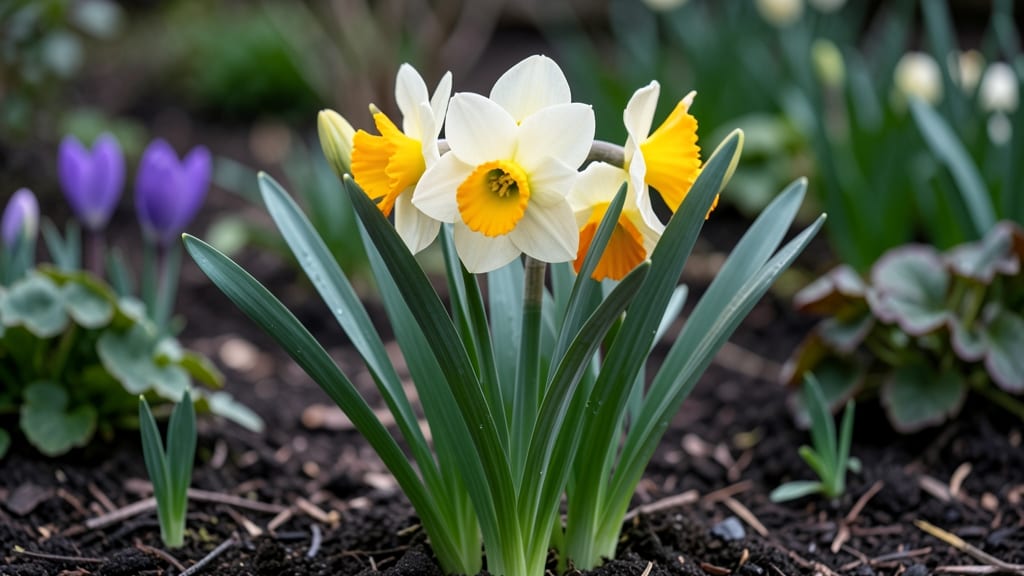
Daffodils in Massachusetts typically bloom between late March and May, turning yards into bursts of sunshine after a long winter 🌼.
Massachusetts gardeners eagerly await the first signs of spring—and daffodils are the heralds of the season. But when exactly should you expect these cheerful blooms to appear in your yard?
The answer depends on your hardiness zone, daffodil variety, and even local microclimates. For example, coastal areas might see blooms 1-2 weeks earlier than inland zones, while higher elevations could delay them by the same amount.
Below, I’ll break down the exact bloom timing by zone, share the top 5 varieties that thrive here, and reveal how to predict your daffodils’ bloom date using soil temperature—so you can plan your garden’s spring display with confidence.
Massachusetts daffodil bloom timing by hardiness Zone (exact months)
Massachusetts spans USDA hardiness zones 5a through 6b, creating a 1-2 week variation in daffodil bloom times across the state. Coastal areas like Cape Cod and the North Shore often see blooms 5-7 days earlier than inland zones like the Pioneer Valley or Berkshires.
This difference happens because coastal regions experience milder winters and earlier soil warming.
Elevation also plays a role—gardens in the Berkshires (Zone 5a) may see blooms 10-14 days later than those in Boston (Zone 6b). For example, 'Tête-à-Tête' daffodils might bloom in late March near the coast but not until early April in western MA.
Understanding these shifts helps you choose varieties that align with your local microclimate.
Here’s how to use this guide: First, identify your specific hardiness zone (check the USDA Plant Hardiness Map). Then, match your zone to the bloom windows below.
Finally, adjust for your elevation or coastal proximity—add 1 week if you’re inland or at higher elevation, subtract 1 week if you’re near the coast.
| USDA Zone | Early Bloom Window | Peak Bloom Window | Late Bloom Window | Notes |
|---|---|---|---|---|
| Zone 5a (Western MA, Berkshires) | Mid-April | Late April | Early May | Coldest zone; late varieties like 'Geranium' thrive here. |
| Zone 5b (Central MA, Worcester) | Late March | Early to Mid-April | Late April | Moderate climate; ideal for early bloomers like 'Ice Follies'. |
| Zone 6a (South Shore, Metro Boston) | Early March | Mid-March to Early April | Mid-April | Warmer microclimates; coastal influence speeds up blooms. |
| Zone 6b (Cape Cod, Islands) | Late February | Early to Mid-March | Early April | Mildest zone; earliest blooms in MA; 'Minerva' excels here. |
Bloom windows are based on average last frost dates and local microclimates.
If you’re in Zone 5a, focus on late-blooming varieties like 'Geranium' or 'Thalia', which tolerate cooler soils. In Zone 6b, early bloomers such as 'Tête-à-Tête' or 'February Gold' will shine. For coastal gardeners, consider 'Carlton', which blooms reliably in late February to early March.
Elevation matters too: For every 1,000 feet gained, expect blooms to shift 3-5 days later. For example, a garden in Northampton (Zone 5b, 200 ft elevation) might see blooms 1 week earlier than one in Great Barrington (Zone 5a, 1,200 ft elevation).
Use this rule to fine-tune your expectations.
Soil temperature is the real trigger for daffodil blooms. These bulbs need soil temps of 50°F or warmer for 10-14 consecutive days to break dormancy. In Zone 5a, this typically happens in late March, while Zone 6b soils may reach this threshold as early as mid-February.
Use a soil thermometer to track progress—planting depth also affects timing.
Pro tip: Plant bulbs 6 inches deep in well-draining soil to encourage earlier blooms. Shallow planting (4 inches deep) can delay blooms by 1-2 weeks because the bulbs stay cooler longer.
Pair this with a 3-inch layer of mulch in fall to insulate roots and promote consistent blooming across your garden.
Don’t forget that late-season varieties can extend your daffodil display into May. Varieties like 'Peeping Tom' or 'Salome' bloom in late April to early May, adding color when tulips and crocuses have faded. These are perfect for Zone 5a gardeners who want a longer show.
Finally, keep an eye on local weather patterns. A warmer-than-average winter can advance bloom times by 2-3 weeks, while a cold snap in March may delay blooms. Use these timing guidelines as a starting point, then adjust based on your garden’s unique conditions.
With this zone-specific breakdown, you’ll know
Top 5 daffodil varieties that thrive in Massachusetts (with bloom schedules)
Massachusetts gardeners know that daffodils are the first true sign of spring—but not all varieties bloom at the same time. To create a long-lasting spring display, I’ve selected five cold-hardy varieties that thrive in USDA Zones 5b-6b, with precise bloom schedules tailored to our climate.
These picks ensure you’ll enjoy color from late March through early May.
Each variety offers unique heights, colors, and bloom times, so you can mix them for a staggered spring show. Whether you prefer early bloomers to brighten chilly mornings or late-season varieties for Memorial Day, these selections deliver.
Let’s dive into the top performers and their ideal planting strategies for Massachusetts gardens.
First up is 'Tête-à-Tête', the dwarf champion of Massachusetts daffodils. This 4-6 inch variety blooms in late March, often pushing through snow melt to deliver cheerful yellow flowers. Perfect for rock gardens or container plantings, it thrives in partial shade and requires minimal maintenance.
I’ve planted mine near my patio steps where they get morning sun and afternoon shade.
'Ice Follies' is my go-to early bloomer, bursting into pure white flowers in mid-April. This 12-inch variety loves full sun and well-draining soil, making it ideal for border plantings. To extend its bloom time, I deadhead spent flowers but leave the foliage until yellow to ensure next year’s blooms. Its fragrant blooms also attract early pollinators.
For a classic Massachusetts staple, 'Geranium' (not the geranium plant!) delivers vibrant orange blooms in early April. This 18-inch variety is highly cold-hardy and disease-resistant, making it a low-maintenance choice.
I’ve seen it thrive in both full sun and partial shade, though it produces the most vigorous blooms with 6+ hours of sunlight. Pair it with early tulips for a stunning color contrast.
If you want to extend your daffodil season into late April, 'February Gold' is a late-blooming variety that lives up to its name. Its bright yellow flowers appear when most gardens are still dormant, and its 18-inch height makes it perfect for back-of-border plantings.
This variety is deer-resistant, which is a huge plus in Massachusetts. I’ve noticed it performs best in full sun but tolerates light shade.
Finally, for tall drama, 'Thalia' blooms in early May with large, fragrant white flowers on 24-inch stems. This late-season variety is perfect for cutting gardens or as a backdrop plant.
To keep it healthy and blooming, I fertilize in early spring with a balanced 5-10-10 and mulch heavily after planting. Its long stems also make it ideal for bouquet arrangements.