
Blooming
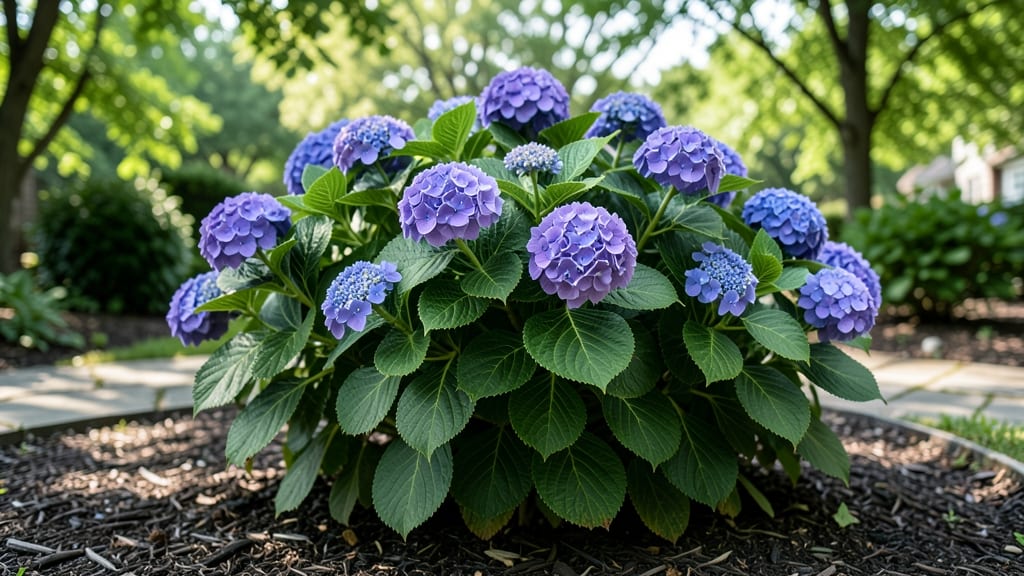
Hydrangeas bloom in Cape Cod between mid-June and late August, with peak color typically arriving in July, depending on variety and microclimate.
Cape Cod’s coastal climate creates a unique growing season for these iconic shrubs 🌸—knowing the exact blooming windows can mean the difference between stunning summer displays and missed opportunities. If you’re planning your garden around these flowers, timing is everything.
Bigleaf hydrangeas, the most popular choice, usually burst into color by early July, while panicle types like ‘Limelight’ may start as early as June. Oakleaf varieties often lag slightly, unfolding their papery blooms in late July or August.
Below, I break down the zone-specific timeline, how coastal winds and humidity affect blooms, and three simple tricks to extend your hydrangeas’ show—because in Cape Cod, every extra week of color counts.
Hydrangea blooming seasons in Cape Cod by variety: Bigleaf, Panicle, and Oakleaf timelines
Cape Cod’s coastal microclimate creates distinct blooming windows for hydrangeas, with Bigleaf, Panicle, and Oakleaf varieties each following unique schedules. The USDA Zones 6b-7a here mean your hydrangeas may bloom 1-2 weeks earlier near the shore compared to inland areas.
Understanding these timelines helps you plan for peak color displays and adjust care routines accordingly.
Bigleaf hydrangeas (Hydrangea macrophylla) are the most popular choice for Cape Cod gardens, thanks to their vibrant blue or pink blooms. However, their timing varies based on cultivar selection and exposure to salt air.
Coastal locations often see earlier blooming due to milder winters, while inland gardens may experience slightly delayed but longer-lasting displays.
The Panicle hydrangeas (Hydrangea paniculata) are the hardiest option for Cape Cod, thriving in full sun to partial shade and producing cone-shaped flowers that last from summer through fall.
Their blooming season typically begins in late June, peaking in July-August, making them ideal for extended seasonal interest.
Oakleaf hydrangeas (Hydrangea quercifolia) offer a unique autumn color show, with foliage turning shades of red, orange, and purple. These varieties bloom slightly later than others, with peak flowering in late July, but their fall foliage often steals the show through October.
| Variety | Early Bloom Window | Peak Bloom Period | Late Bloom Window | Coastal Adjustment |
|---|---|---|---|---|
| Bigleaf | Mid-June | Late June - July | Early August | 1-2 weeks earlier near shore |
| Panicle | Late June | July - August | Early September | 2 weeks earlier in coastal zones |
| Oakleaf | Late June | Late July - August | Early October (foliage) | 1 week earlier near ocean |
For Bigleaf hydrangeas, the ‘Endless Summer’ series is a top choice for Cape Cod gardens because it blooms on both old and new wood, giving you two bloom cycles per season.
The first flush appears in mid-June, with a second wave in late summer if you remove spent blooms. This variety thrives in partial shade, protecting it from Cape Cod’s intense afternoon sun.
If you’re growing Panicle hydrangeas like ‘Limelight’ or ‘Little Lime’, expect their cone-shaped blooms to emerge in late June, reaching their peak in July and August. These varieties are more tolerant of full sun, making them ideal for exposed coastal locations.
Their extended bloom time often continues through early September, providing late-season color.
Oakleaf hydrangeas are perfect for gardeners who want more than just flowers—their exfoliating bark and fall foliage add year-round interest. While their primary blooming period is late July to August, the real show happens in September and October when leaves turn vibrant reds and purples. Plant these in morning sun with afternoon shade to prevent leaf scorch.
Cape Cod’s coastal microclimates can significantly alter these timelines. Areas near the Atlantic Ocean experience warmer winters and cooler summers, which often accelerate blooming by 1-2 weeks.
In contrast, inland gardens may see slightly delayed but longer-lasting blooms due to hotter temperatures. Monitor your local frost dates and adjust planting times accordingly.
To maximize your hydrangea blooms in Cape Cod, consider mulching in early spring to protect roots from temperature fluctuations. Apply a 2-3 inch layer of mulch around the base of your plants in March or April to insulate them and retain moisture.
This simple step can help extend your blooming season by providing consistent root temperatures.
For gardeners in Zone 6b, focus on hardy varieties like ‘Annabelle’ Panicle hydrangeas or ‘Nikko Blue’ Bigleaf hydrangeas, which handle Cape Cod’s cool nights and salty air exceptionally well. These selections will give you reliable blooms year after
How Cape Cod’s coastal climate affects hydrangea blooming: heat, humidity, and salt spray factors
Cape Cod’s coastal environment creates a unique microclimate that dramatically impacts when and how hydrangeas bloom. The salty ocean breezes, higher humidity levels, and occasional salt spray exposure all play critical roles in shaping your hydrangea’s flowering schedule.
Unlike inland gardens, coastal areas often experience earlier blooming due to milder winters and extended growing seasons.
Near the shore, hydrangeas may begin budding as early as late April—sometimes even 2-3 weeks sooner than inland plants.
This accelerated timeline is a double-edged sword: while you might enjoy longer bloom periods, you’ll also face greater stress factors like salt damage and increased fungal risks from persistent coastal humidity.
⚠️ Coastal Warning:
Salt spray can burn hydrangea foliage and delay blooming by up to 3 weeks if not managed. ‘Endless Summer’ and ‘Limelight’ varieties are your best bets for salt tolerance, but even these need regular rinsing after storms.
🌿 Pro Tip: Plant hydrangeas at least 50 feet inland or use barrier plants like rosemary or lavender to reduce salt exposure.
The higher humidity near Cape Cod’s coast actually benefits hydrangeas by reducing heat stress on flower buds. Inland gardens, which experience more temperature swings, often see delayed blooming until mid-June, while coastal plants may peak in late May to early June.
This difference is most noticeable with Bigleaf hydrangeas, which thrive in the moist air but require consistent moisture to prevent bud drop.
For gardeners choosing salt-tolerant varieties, the risk vs. reward analysis is clear: ‘Limelight’ and ‘Endless Summer’ offer vibrant blooms with minimal salt damage, but require annual pruning to maintain health. In contrast, ‘Nikko Blue’ may struggle near the shore unless given extra protection from wind and salt.
To maximize blooms, mulch heavily around your hydrangeas with pine bark to lock in moisture and protect roots from salt. Morning watering (before 10 AM) helps rinse away salt buildup while keeping soil evenly moist. Avoid overhead sprinklers in the evening, as coastal humidity increases fungal risks like powdery mildew.
If you’re planting near the water’s edge, consider container gardening with well-draining mixes—this gives you control over soil quality and makes seasonal rinsing easier. Just remember: coastal hydrangeas bloom earlier but may fade faster without proper care.
With the right variety selection and protective measures, you can enjoy stunning summer color right on Cape Cod’s shoreline.