
Blooming
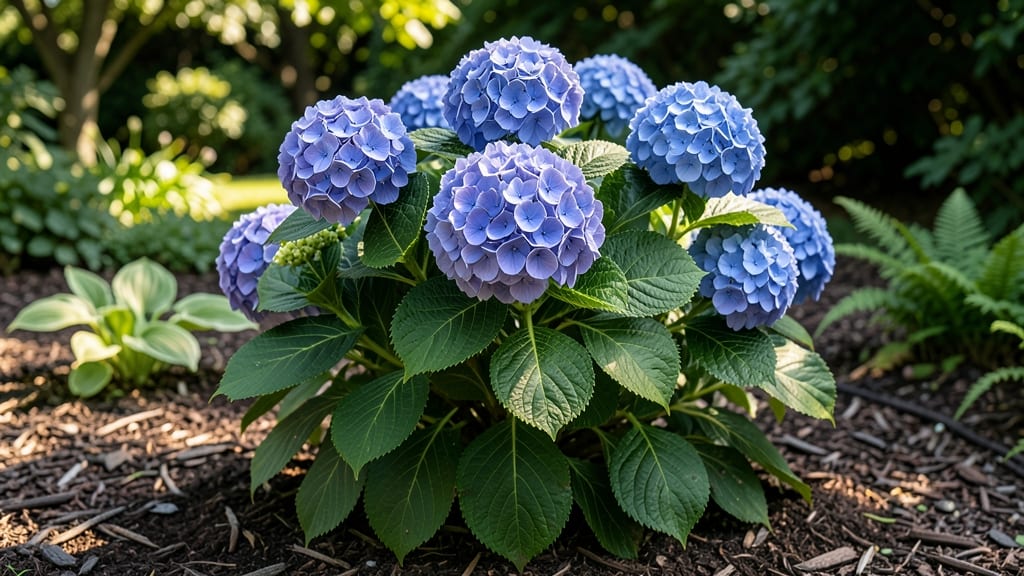
Hydrangeas bloom in Georgia between late spring and summer 🌸, with timing that shifts dramatically depending on your heat zone, variety, and even last year’s winter chill.
Georgia gardeners know the thrill of hydrangeas bursting into color—but timing is everything. Whether you’re planning a summer floral display or troubleshooting late blooms, knowing exactly when hydrangeas bloom in Georgia’s heat zones (7-8) can save you from missed seasons or overwatering at the wrong time.
Bigleaf hydrangeas, for example, often start showing buds in May in Zone 7b, while Panicle varieties in Zone 8b might not peak until July. Oakleaf types can be even trickier, with blooms stretching from June through September.
The key? Understanding how your local microclimate—like morning fog or afternoon heat—affects these month-by-month shifts.
Below, I break down the exact bloom windows for Georgia’s most popular varieties, how to adjust care for optimal flowering, and why your hydrangeas might be playing hide-and-seek with their blooms this year.
Hydrangea bloom times in Georgia by variety: month-by-month guide
Georgia’s humid subtropical climate creates perfect conditions for hydrangeas, but bloom timing varies dramatically between heat zones 7 and 8. In cooler Zone 7b, blooms often arrive 2-3 weeks later than in warmer Zone 8a.
Understanding these differences helps you choose the right varieties for your landscape and avoid disappointment when flowers don’t appear on schedule.
Most hydrangeas in Georgia bloom on new wood (current season’s growth) or old wood (last year’s stems). This distinction is critical—pruning at the wrong time can mean no blooms at all. For example, Bigleaf hydrangeas bloom on old wood, while Panicle hydrangeas bloom on new wood.
Let’s break down the exact months for each variety and how Georgia’s heat waves and humidity can shift these timelines.
| Variety | Bloom Type | Zone 7b Bloom Months | Zone 8a Bloom Months | Heat Impact | Humidity Note |
|---|---|---|---|---|---|
| Bigleaf (e.g., 'Nikko Blue') | Old Wood | June–August | May–July | Late blooms if 90°F+ heat waves | High humidity extends bloom life |
| Panicle (e.g., 'Limelight') | New Wood | July–September | June–August | Early blooms if spring warmth arrives early | Drought stress delays blooms |
| Oakleaf (e.g., 'Pincushion') | Old Wood + New Wood | June–October | May–September | Heat waves intensify colors | Fungal risk in prolonged wet spells |
| Smooth (e.g., 'Annabelle') | New Wood | July–September | June–August | Late blooms if spring frost delays growth | Humidity enhances bloom size |
Bigleaf hydrangeas like 'Endless Summer' are the stars of Georgia’s summer gardens, typically bursting into color in late May to June in Zone 8a. However, in cooler Zone 7b, expect blooms to appear 2-3 weeks later, often aligning with June’s heat waves. These varieties are sensitive to late spring frosts, which can damage buds if temperatures drop below 28°F. To protect them, I always cover young plants with frost cloth during April’s unpredictable nights.
Panicle hydrangeas, such as 'Little Lime' or 'Grandiflora', thrive in Georgia’s heat and often bloom earlier than other varieties. In Zone 8a, you’ll see flowers as early as late May, while Zone 7b gardens may wait until June’s arrival. The key to maximizing their blooms is pruning in late winter—cutting back stems to 2-3 buds from the base encourages robust new growth and larger flower clusters. I’ve found that mulching heavily in early spring helps retain soil moisture during Georgia’s dry spells.
Oakleaf hydrangeas offer a longer bloom season than most, often flowering from June through October. Their unique exfoliating bark and fall color make them a favorite in Georgia landscapes.
In Zone 8a, blooms may start as early as May, while Zone 7b gardens typically see them in late June. The real secret to their success? Well-draining soil—Georgia’s clay-heavy soils can lead to root rot if not amended with compost or sand.
I always test my soil’s drainage before planting these varieties.
Smooth hydrangeas, including the classic 'Annabelle', are heat-tolerant and often bloom from July to September. In Zone 8a
How to extend hydrangea blooms in Georgia’s heat: pruning & care hacks
Georgia’s summer heat can turn your hydrangeas from showstoppers to sad, wilted shrubs—but with the right care, you can double their bloom duration. The secret lies in understanding your variety’s wood type (old vs. new) and adjusting pruning, watering, and soil conditions to beat the heat.
For example, Bigleaf hydrangeas (like 'Endless Summer') thrive with late-winter pruning, while Panicle types need a spring haircut to avoid leggy growth.
Heat stress is the #1 bloom killer in Georgia, but I’ve learned that mulching and morning watering can push blooms from July into September. Even better?
A few simple soil tweaks can turn pink blooms blue—or vice versa—without chemicals. Let’s dive into the hacks that keep my hydrangeas vibrant all season.
🌿 5 Pro Tips to Extend Hydrangea Blooms in Georgia
- Prune at the right time: Cut back old wood varieties (like Oakleaf) in late winter (Feb-March), but delay new wood types (like Panicle) until early spring (April).
- Adjust soil pH: Test your soil—acidic (5.5) = blue blooms, alkaline (6.5+) = pink. Add sulfur or lime as needed.
- Water deeply in mornings: 1-2 gallons per plant before 10 AM prevents fungal stress from evening moisture.
- Mulch heavily: Use 3-4 inches of organic mulch (pine straw or shredded bark) to retain moisture and cool roots.
- Feed strategically: Apply balanced fertilizer (10-10-10) in March and July—never in fall or winter.
Pruning is where most gardeners go wrong. For old wood bloomers (like Bigleaf), you’ll see next year’s buds forming on last year’s stems, so prune after blooming in late summer.
New wood types (like Panicle) bloom on current year’s growth, so prune in early spring to encourage bushier, more vibrant blooms. I always mark my calendar: March 15 for Panicle, August 1 for Bigleaf.
Heat waves can scorch blooms faster than you think. If your hydrangeas start wilting in 90°F+ temps, move them to partial shade (they’ll tolerate morning sun but avoid afternoon glare). A quick fix?
Mist leaves lightly in the early morning to raise humidity around the plant—just don’t drown the roots. I’ve also had success using shade cloth (30%) over new growth during peak heat.
One of my favorite tricks is deadheading spent blooms on new wood varieties. Snip off faded flowers with clean pruners to redirect energy into fresh blooms. For Oakleaf hydrangeas, I leave some seed heads for winter interest but remove them in early spring to avoid disease.
And always sterilize your tools with rubbing alcohol—hydrangeas are prone to powdery mildew in Georgia’s humidity.
Don’t forget: soil pH is your secret weapon for color control. Test your soil with a home kit ($10)—if it’s below 5.5, add elemental sulfur for blue blooms. For pink, raise pH to 6.5+ with garden lime.
I adjust mine every 2 years to keep my 'Nikko Blue' looking vibrant. Pro tip: Aluminum sulfate works faster than sulfur for acid-loving varieties.
With these hacks, your hydrangeas can bloom from June through September in Georgia’s heat—no matter your zone. The key is consistency: prune smart, water right, and feed at the perfect times. Your shrubs will thank you with bigger, longer-lasting blooms all season. 🌸