
Blooming
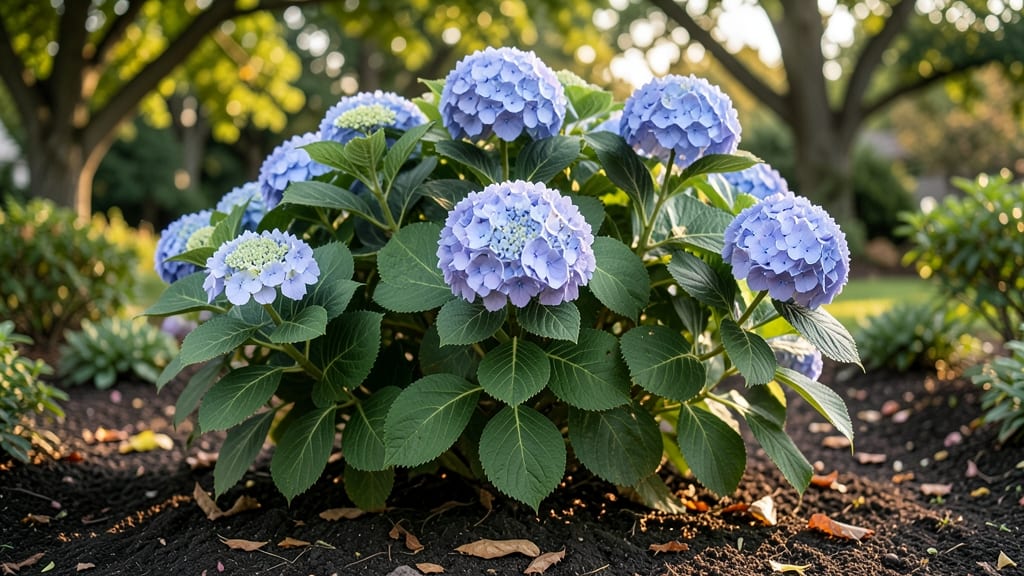
Hydrangeas bloom in Virginia between late May and July, but the exact timing depends on your hardiness zone, variety, and even last year’s winter chill.
If you’ve ever waited eagerly for those 🌸 clusters to appear—only to be met with stubborn green leaves—you know how frustrating it can be. The difference between a show-stopping display and a missed season often comes down to knowing when to expect blooms in your specific corner of the state.
Virginia’s 6a-8a zones see hydrangeas peak at different times, with Bigleaf types blooming earliest in the mountains and Panicle varieties often lasting into summer. Even a single degree of temperature shift can push blooms two weeks earlier or later.
Below, I break down the month-by-month schedule for your zone, the best varieties for Virginia gardens, and how to tweak care to extend that bloom season—so you’re never left staring at foliage again.
Virginia hydrangea bloom schedule by hardiness zones (exact months)
Virginia’s diverse climate—from coastal humidity in Tidewater to drier inland regions—means hydrangea bloom times vary by USDA zone and variety. In Zone 6a (northern VA), expect blooms 2-3 weeks later than in Zone 8a (southern VA). Understanding these differences helps you time pruning and fertilizing for maximum impact.
Most hydrangeas in Virginia bloom between late May and early July, but Oakleaf varieties often start as early as April in warmer zones. Panicle hydrangeas like 'Little Lime' can extend blooms into fall, while Bigleaf types like 'Endless Summer' may rebloom if pruned correctly.
Let’s break down the exact months by zone and variety.
🌿 Pro Tip: Coastal areas (e.g., Norfolk) tend to have earlier blooms due to milder winters, while inland zones (e.g., Roanoke) may see delayed flowering. Adjust your expectations accordingly!
In Zone 6a, where winters are colder, Bigleaf hydrangeas like 'Nikko Blue' often wait until late May to show buds, while Panicle types like 'Grandiflora' start earlier in early June. This delay is due to the last frost date, which typically falls around mid-April in northern Virginia.
If you’re in this zone, prune in late summer to avoid cutting off next year’s blooms
Best hydrangea varieties for Virginia gardens and their bloom windows
Virginia’s climate is perfect for hydrangeas, but choosing the right variety ensures longer bloom seasons and vibrant colors. From color-changing ‘Endless Summer’ to bold ‘Limelight’ blooms, here are the top 5 varieties that thrive in Virginia’s USDA zones 6-8.
Each offers unique timing and care needs to match your garden’s schedule.
For gardeners in coastal Virginia (Zone 7b-8a), expect blooms to start 2-3 weeks earlier than inland areas due to milder winters. Inland zones (6a-7a) may see delayed blooms until late May or June. Pruning strategies can shift these timelines—more on that later!
‘Endless Summer’ is my top pick for Virginia gardens because it reblooms reliably from June to September. Its color-changing ability (pink to blue) depends on your soil’s pH level—test it in spring and amend with sulfur or lime as needed.
For bold vertical interest, ‘Limelight’ reaches 6-8 feet and thrives in full sun, making it ideal for backyard focal points.
If you love low-maintenance plants, ‘Annabelle’ delivers pure white blooms with minimal fuss. It blooms from June to August and tolerates drought once established. For fall color, ‘Oakleaf’ hydrangeas offer stunning burgundy foliage in September—perfect for autumn garden displays.
Prune these varieties lightly in late winter to avoid cutting off next year’s blooms.
To extend bloom seasons, time your pruning carefully. For Bigleaf varieties like ‘Endless Summer’, prune right after blooming to encourage new flowers. Panicle types (like ‘Limelight’) need a late-winter cutback to 6-8 inches from the ground. Always use sterilized shears and wear gloves to protect against hydrangea mildew.
Pro tip: Mulch around your hydrangeas in early spring with 3 inches of organic mulch (like pine straw) to retain moisture and regulate soil temperature. This helps delay wilting during Virginia’s hot, humid summers and keeps blooms vibrant longer.