
Blooming
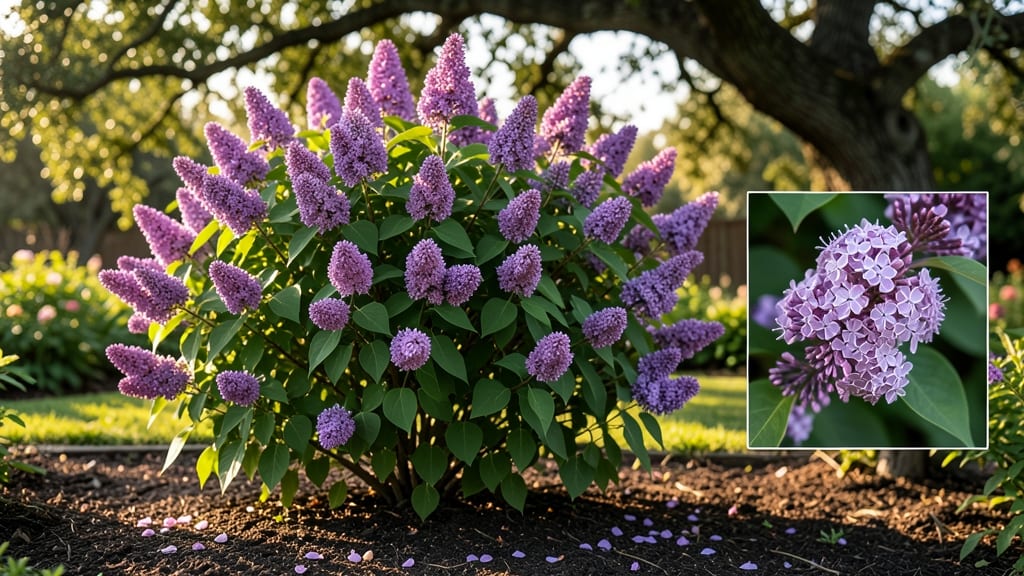
Lilacs bloom in Maine between late May and early June, when the air fills with their signature fragrance and gardens burst into purple splendor.
But here’s the catch: those bloom dates shift dramatically depending on whether you’re in Zone 4a or Zone 5b, where frost dates and early spring warmth can push blooms earlier or later by two weeks or more.
If you’re planning your garden’s floral display or simply craving that classic lilac scent, knowing your exact zone’s timeline is the key to timing pruning, fertilizing, and even selecting the right varieties for your yard.
Below, I break down the zone-specific bloom windows, how to predict your lilacs’ exact bloom date using local weather patterns, and which varieties will reward you with the earliest—or longest—fragrant displays.
Maine lilac bloom timeline by hardiness zones (USDA 4-6)
Maine’s lilac blooms arrive like clockwork—but the exact timing depends heavily on your USDA hardiness zone. In Zone 4a, where winters are harshest, lilacs often wait until late May, while Zone 5a gardeners may enjoy early blooms as early as mid-May.
These differences matter for planning your garden’s fragrance timeline and ensuring you’re ready to capture the scent at its peak.
The key factor? Last frost dates and early spring warmth. In northern Maine (4a), lilacs play it safe, waiting until after May 15 to bloom, while southern zones (5a) can see buds opening as early as late April.
Even within zones, microclimates near lakes or coastlines can shift blooms by 1-2 weeks.
Lilac varieties also play a role. 'Katherine Havemeyer', a late bloomer, thrives in Zone 4a and often waits until June, while 'Dwarf Korean' may bloom in May in Zone 5a. Choosing the right cultivar for your zone ensures you’ll enjoy fragrant blooms without waiting too long.
🌸
| Zone | Avg. Bloom Start | Peak Bloom | Best Varieties | Climate Notes |
|---|---|---|---|---|
| 4a (Northern Maine) | Late May | Early June | 'Katherine Havemeyer', 'Purple Plume' | Longer winter chill delays blooms; wait for consistent 60°F days. |
| 4b (Central Maine) | Mid-May | Late May | 'Miss Canada', 'Common Lilac' | Moderate frost risk; early bloomers may face late frosts. |
| 5a (Southern Maine) | Late April | Early May | 'Dwarf Korean', 'President Lincoln' | Warmer microclimates near coasts may bloom 1-2 weeks earlier. |
In Zone 4a, where winters are colder and longer, lilacs often need consistent warmth before blooming. I’ve seen 'Purple Plume' hold off until early June in Presque Isle, while Zone 5a gardeners in Portland might enjoy 'Dwarf Korean' as early as late April.
This variation means timing your garden visits—or even pruning—can depend on where you live.
Another key factor is early spring warmth. If March and April are unusually warm, lilacs may bloom 2-3 weeks early. However, a late frost can damage buds, delaying blooms.
I always check NOAA’s frost predictions in late April to gauge whether my Zone 4b lilacs will bloom on schedule or push back.
For gardeners in Zone 5a, early bloomers like 'President Lincoln' often reward you with fragrant blooms by late April. These varieties thrive in warmer microclimates, such as near south-facing walls or in urban heat islands.
If you’re in this zone, consider planting multiple varieties to extend your lilac season from late April to early June.
🌿
If you’re new to lilac growing, remember that bloom timing depends on when buds form. Lilacs set their flower buds the previous summer, so last year’s care affects this year’s timing.
I always prune after blooming to avoid cutting off next year’s flowers, which helps ensure consistent bloom windows.
For Zone 4a gardeners, patience is key. The wait for late May blooms is worth it for varieties like 'Katherine Havemeyer', which offers intense fragrance and dark purple blooms. Meanwhile, Zone 5a lilacs like 'Dwarf Korean' provide a compact, early-season display perfect for smaller gardens.
To maximize your lilac’s bloom potential, ensure they get full sun (6+ hours daily) and well-draining soil. I’ve found that mulching in fall helps protect roots from winter temperature swings, which can impact next year’s bloom timing.
With the right care, your lilacs will reward you with timely, fragrant blooms every spring.
☀️
How to predict your lilacs’ exact bloom date using local weather patterns
Predicting your lilacs’ bloom date in Maine isn’t just about checking a calendar—it’s about reading your local climate like a pro. Since Maine’s microclimates can shift bloom times by weeks, I’ve learned to combine NOAA data with simple backyard observations.
Start by noting when your maple trees leaf out; this natural indicator often precedes lilac blooms by 10-14 days in most of the state.
Next, track your last frost date using the NOAA Climate Tool for your specific town. While the average last frost for USDA Zone 5a (like Portland) is May 10, coastal areas like Bar Harbor may see frost-free conditions by April 20.
These differences mean your lilacs could bloom 3 weeks earlier near the ocean compared to inland areas.
🌸 3 Key Weather Patterns to Predict Lilac Blooms
- 📅 Last Frost Date: Lilacs typically bloom 2-3 weeks after your area’s average last frost. Check NOAA’s Local Climate Data for your exact town.
- 🌳 Maple Leaf-Out: When sugar maples fully unfurl leaves, lilacs are 10-14 days behind in most of Maine.
- ☀️ Spring Warmth: A 5-day stretch of 60°F+ days triggers bud opening. Track daily highs using Weather Underground.
For my Zone 5b garden in Augusta, I’ve found that lilacs like 'Katherine Havemeyer' often bloom around May 15, while late-blooming varieties like 'President Lincoln' may wait until early June.
The trick is adjusting your expectations based on whether winter was mild or harsh—warmer winters can push blooms 1-2 weeks earlier.
Don’t forget to account for elevation changes. Gardens in the Moxie Mountains (Zone 4a) might see lilacs bloom 2 weeks later than coastal areas.
I once had a neighbor in Machias complain her lilacs bloomed in late May, while mine in Bangor were already fading by early June—same county, different microclimates!
To refine your forecast, I recommend creating a 3-step bloom tracker: Mark your maple leaf-out date, note the first 50°F night after last frost, and track NOAA’s 5-day forecasts for 60°F+ stretches. Combine these, and you’ll nail your lilacs’ bloom window within 3-5 days.
Pro tip: If you’re craving earlier blooms, plant dwarf varieties like 'Dwarf Korean' near south-facing walls—they often bloom 7-10 days ahead of standard lilacs. And if you want to extend the season, choose late-blooming types like 'Henry Eilers' for June fragrance.