
Blooming
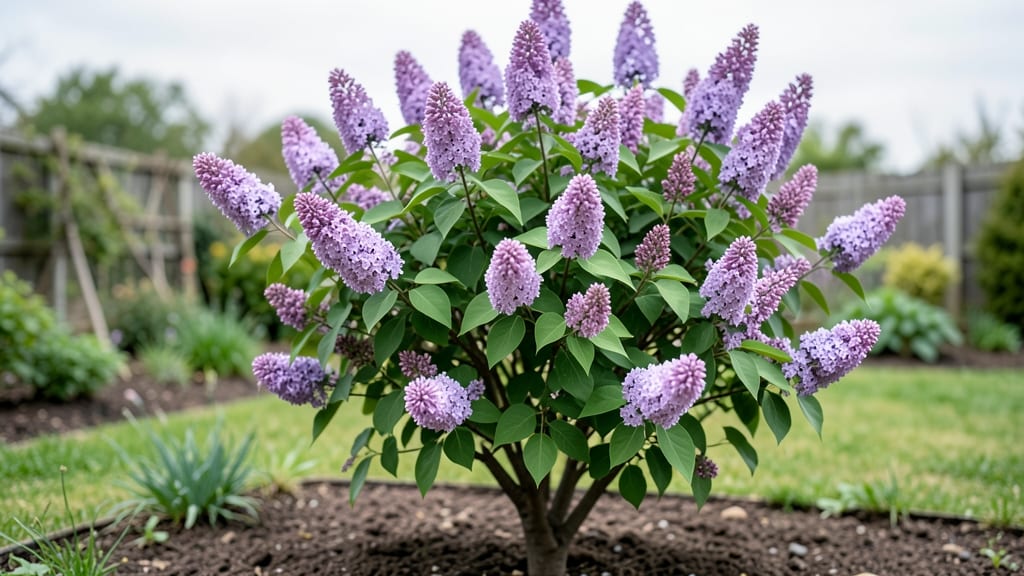
Lilacs in New York bloom between late April and early June, with peak fragrance arriving in May 🌸—but timing varies wildly by variety and microclimate.
Picture this: you’ve been waiting all winter for that first whiff of lilac perfume, only to miss the window by a few days. The good news? Knowing the exact bloom schedule for your region—and a few pro tips—can mean enjoying those fragrant clusters for weeks, not just a fleeting moment.
Upstate gardens often see lilacs open a week or two earlier than NYC, thanks to cooler nights and earlier springs. Meanwhile, late-season varieties like 'President Lincoln' can stretch blooms into early June, giving you a longer show.
The secret? Planting the right types for your zone and pruning them at the right time.
Below, I’ll break down the month-by-month bloom schedule for the most popular lilacs in New York, plus how to coax extra blooms from your shrubs—so you never miss another fragrant spring.
Lilac bloom timing in New York by variety: month-by-month guide
New York gardens transform in spring when lilacs burst into fragrant blooms, but their exact timing varies dramatically by variety and region. In NYC, urban heat islands can push blooms earlier by 1-2 weeks compared to Upstate areas, where cooler nights delay the show.
Understanding these differences helps you plant the right lilac varieties for your location and maximize their show-stopping displays.
Most common lilacs (like Syringa vulgaris) bloom in late May to early June, but early bloomers like 'Elite' can start as early as mid-April in southern NY.
Late bloomers such as 'President Lincoln' may not peak until June, giving you a 6-week window of fragrant purple splendor. Let’s break down the exact months for 10 top varieties and how NY’s microclimates affect their timing.
| Variety | NYC Bloom Time | Upstate Bloom Time | Fragrance Level | Bloom Duration |
|---|---|---|---|---|
| 'Katherine Havemeyer' | Late May | Early June | Strong | 7-10 days |
| 'Syringa vulgaris' (Common Lilac) | Early June | Mid-June | Moderate | 10-14 days |
| 'Mme. Lemoine' | Mid-May | Late May | Very Strong | 10-12 days |
| 'Elite' | Mid-April | Early May | Moderate | 14-21 days |
| 'President Lincoln' | June | Late June | Strong | 10-14 days |
| 'Beauty of Moscow' | Early June | Mid-June | Very Strong | 14-21 days |
| 'Dwarf Korean' | Late May | Early June | Moderate | 7-10 days |
| 'Neglecta' | June | Late June | Light | 21-28 days |
How to predict and extend lilac blooming seasons in New YorkTiming your lilac planting and care in New York’s hardiness zones 5-7 can shift bloom seasons by weeks—or even months. The key lies in understanding microclimates (like NYC’s urban heat vs. Upstate’s cooler valleys) and adjusting your planting schedule accordingly. For example, lilacs planted in fall (September-October) often bloom earlier than those planted in early spring, thanks to their established root systems. New York’s last frost dates (typically mid-April) and first frost dates (mid-October) create a narrow window for optimal blooms. If you plant too late, your lilacs may not develop enough roots to support vigorous flowering. Conversely, early spring planting (March-April) gives roots time to establish before summer heat arrives. The secret? Soil preparation with compost and a balanced 10-10-10 fertilizer in early spring. 🌸 5 Key Steps to Extend Lilac Blooms in NY
Pruning is where many gardeners go wrong. Never prune lilacs in late fall or winter—this removes next year’s flower buds! Instead, prune immediately after blooming (June-July) to shape the shrub and stimulate reblooming. For extended blooms, choose reblooming varieties like ‘Miss Kim’ or ‘Dwarf Korean,’ which produce two flushes of flowers per season when cared for properly. New York’s microclimates play a huge role in bloom timing. Urban areas like Manhattan (Zone 7a) often see lilacs bloom 1-2 weeks earlier than Upstate regions (Zone 5b) due to heat island effect. To adjust, plant late-blooming varieties (like ‘President Lincoln’) in cooler zones and early-blooming types (like ‘Katherine Havemeyer’) in warmer microclimates. South-facing exposures also push blooms earlier by 3-5 days compared to north-facing spots. For reblooming success, fertilize lightly in early spring (March) with a balanced 10-10-10 and again in late summer (August) to encourage second flushes. Avoid heavy fertilizers in fall, as this promotes tender growth vulnerable to winter dieback. In Zone 5, protect young lilacs with burlap wraps during harsh winters to prevent crown damage, which delays blooming by up to 2 weeks. My Upstate New York garden produces lilacs that bloom from late May to early June thanks to these techniques. The fragrance alone makes the effort worth it—imagine waking to purple clouds of blooms in your yard! For maximum impact, pair lilacs with early spring bulbs (like daffodils) and late-summer perennials (like coneflowers) to extend your garden’s seasonal interest. 🌸 |