
Blooming
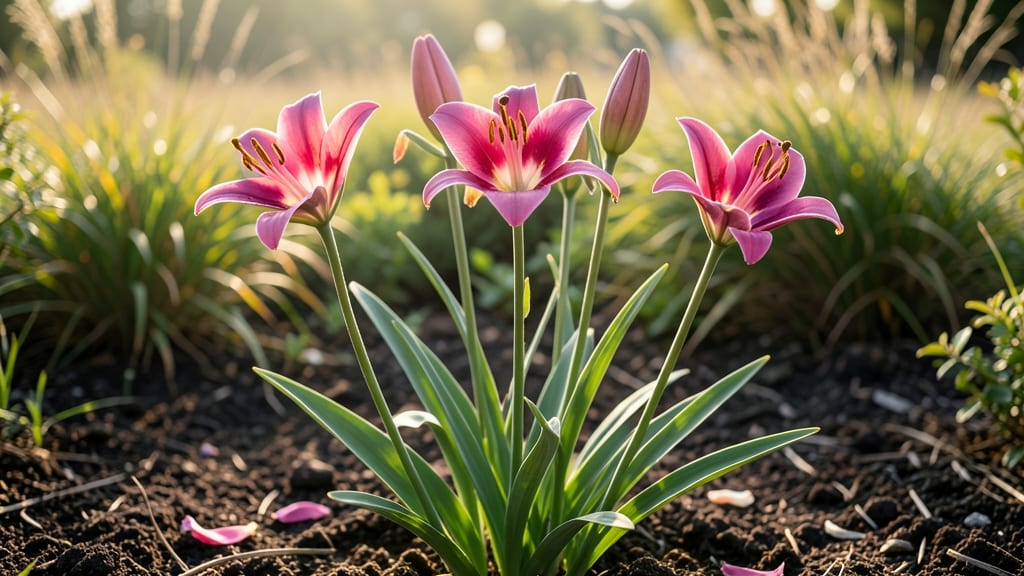
Lilies bloom in Michigan between June and September, but the exact timing depends on the variety and your specific zone in the state’s 5b-6b regions.
Michigan gardeners eagerly await the arrival of lilies—those striking, fragrant blooms that transform summer landscapes—but timing can vary dramatically depending on the variety and climate zone.
Asiatic lilies, for example, often kick off the season in early to mid-June, while Oriental lilies and Trumpet lilies may not reach their peak until July or August. Understanding these differences helps you plan your garden for a longer, more vibrant display.
In this guide, I’ll break down the bloom windows by variety, share tips for extending their season, and help you avoid common mistakes that delay those showstopping flowers.
Michigan lily bloom times by variety: month-by-month breakdown
Michigan’s diverse lily varieties bloom at different times, creating a stunning seasonal display from early summer through fall. Understanding these month-by-month windows helps you plan your garden for continuous color.
In hardiness zones 5-6, timing can shift slightly based on spring frost dates and summer heat—so pay attention to your specific microclimate.
Most Asiatic lilies kick off the show in late June to early July, while Oriental lilies often bloom later in July and August. Trumpet lilies and Daylilies extend the season into September, with some late varieties lingering until frost.
Let’s break down the exact bloom periods for each variety to help you time your plantings perfectly.
Pro Tip: For a non-stop lily show, mix early, mid, and late bloomers. For example, pair ‘Stargazer’ Oriental lilies (July-August) with ‘Black Out’ Asiatic lilies (June-July) and ‘Kwanso’ lilies (September). This strategy ensures your garden stays vibrant from June through October.
| Variety | Bloom Months | Height (ft) | Color Palette | Notes |
|---|---|---|---|---|
| Asiatic Lilies | June–July | 2–4 ft | Bright red, orange, yellow, pink, white | Early bloomers; drought-tolerant |
| Oriental Lilies | July–August | 3–5 ft | Soft pink, white, lavender, deep purple | Strong fragrance; heat-loving |
| Trumpet Lilies | July–September | 4–6 ft | Red, orange, yellow, white | Long bloom time; deer-resistant |
| Daylilies (Hemerocallis) | June–October | 1–3 ft | Rainbow variety (red, gold, purple) | Reblooming types extend season |
| Martagon Lilies | July–August | 2–4 ft | Pink, white, purple | Woodland shade-tolerant |
If you’re in northern Michigan (Zone 5), expect 2–3 weeks later blooms compared to southern Michigan (Zone 6). For example, Asiatic lilies in Traverse City might bloom in early July instead of late June. To adjust, plant earlier varieties in May and monitor soil temperatures—60°F+ triggers bulb growth.
For late-season color, focus on September-blooming varieties like ‘African Queen’ Trumpet lilies or ‘Happy Returns’ Daylilies. These thrive in Michigan’s cooler fall air and often rebloom the following year if given proper care. Mulch around bulbs in early October to protect roots from early frost.
Did you know? Oriental lilies release their fragrance most intensely in the early morning—perfect for gardeners who love waking up to a sweet, citrusy scent. Plant them near patio seating areas or bedroom windows to maximize enjoyment.
Their late-July to August bloom time also aligns with Michigan’s peak hummingbird season, adding an extra layer of garden magic.
To stagger blooms, interplant early Asiatics with mid-season Orientals and late Trumpets. This creates a continuous floral display from June through September, even if individual blooms last only 7–10 days. For example, ‘Connecticut King’ Trumpet lilies (July–September) pair beautifully with ‘Pink Perfection’ Asiatics (June–July).
Watch for local microclimates—south-facing slopes in Michigan often warm up faster, pushing bloom times 1–2 weeks earlier. Conversely, low-lying areas or shady spots may delay blooms by 10–14 days. Use these month-by-month guidelines as a starting point, then adjust based on your garden’s unique conditions.
For first-time lily growers, start with Asiatic or Daylilies—they’re the most forgiving varieties for Michigan’s climate. These low-maintenance bloomers thrive in full sun to partial shade and well-draining soil, making them ideal for beginners.
Once you’ve mastered their care, experiment with fragrant Orientals or dramatic Trumpets for a more show
How to extend Michigan lily blooms: tips for longer seasonal display
Michigan’s short growing season can feel like a race against time for gardeners craving those showstopping lily blooms. With the right strategies, you can turn a 2-3 week display into a 6-8 week spectacle of color and fragrance.
The secret lies in combining proper care with smart variety selection—because not all lilies bloom at the same time!
Start by choosing staggered-blooming varieties like Asiatic lilies (early June) paired with Oriental lilies (late July). This simple trick creates a continuous color show without gaps. I’ve found that mixing Trumpet lilies (August) into the equation extends the season even further, giving me blooms until early September.
Don’t overlook the power of light management. While lilies love full sun, Michigan’s intense afternoon heat can scorch blooms.
I’ve had great success placing taller varieties where they get morning sun and afternoon shade—this trick preserves bloom quality and extends their lifespan by up to 10 days.
Finally, protect your lilies from Michigan’s late-season pests like lily beetles. I use neem oil spray preventatively in July to keep these hungry critters away. A single beetle can defoliate a plant in days, cutting your bloom season short—so act early!
With these strategies, my Michigan garden now enjoys lily blooms from late June through September. The key is consistency: feed, water, deadhead, and mulch religiously, and your lilies will reward you with a longer, more vibrant display than you ever thought possible. 🌸