
Blooming
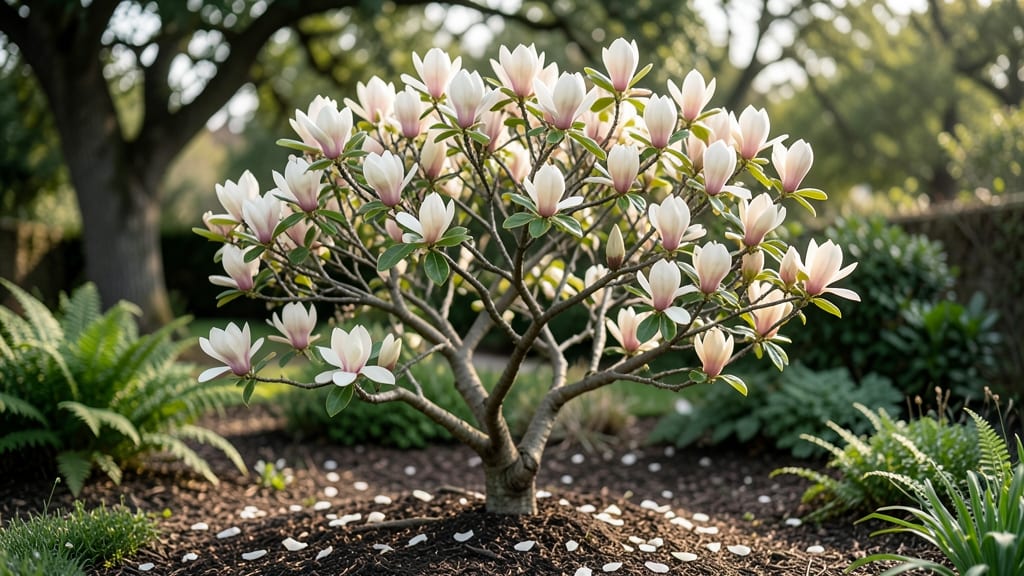
Magnolias bloom in North Carolina between late February and May, with timing that varies dramatically by variety and microclimate 🌸—and getting it right means waking up to those iconic blossoms instead of missing them entirely.
If you’ve ever dreamed of waking up to a backyard bursting with fragrant magnolia blossoms, timing is everything—especially in North Carolina’s unique climate. But with over 30 magnolia varieties, knowing exactly when to expect those stunning flowers can feel like solving a puzzle.
Southern Magnolias, the state’s most iconic variety, typically light up gardens in April, while Star Magnolias often bloom as early as February in warmer coastal zones like Wilmington. Meanwhile, in the cooler mountains of Zone 6a, even late bloomers like the Saucer Magnolia may wait until early May.
Below, I break down the exact bloom windows for 12+ popular varieties, how to adjust care for NC’s unpredictable springs, and the one pruning trick that can add weeks to your magnolia’s show.
North Carolina magnolia blooming seasons by variety (Zone 7a/7b guide)
North Carolina’s Zone 7a/7b climate creates a magical window for magnolia blooms, where late-winter and early-spring flowers transform landscapes. Unlike northern regions, NC’s milder winters allow some varieties to bloom as early as February, while others wait until May.
Understanding these differences helps you plan garden tours, photography sessions, or simply enjoy the show year after year.
The key to predicting magnolia blooms in NC lies in two factors: variety type and microclimate. Coastal areas (like Wilmington) may see blooms 2-3 weeks earlier than inland zones (e.g., Raleigh or Asheville).
Meanwhile, late frosts—common in Zone 7a—can delay blooms by 10-14 days compared to Zone 7b. Let’s break down the exact timing for 12+ popular varieties so you never miss a bloom.
| Variety | Bloom Period (Zone 7a) | Bloom Period (Zone 7b) | Notes |
|---|---|---|---|
| Southern Magnolia (Magnolia grandiflora) | Late May – June | Mid-May – June | Largest flowers; fragrant but late bloomer |
| Star Magnolia (Magnolia stellata) | Early April – Mid-April | Late March – Early April | Early bloomer; frost-sensitive buds |
| Saucer Magnolia (Magnolia × soulangeana) | Mid-April – Early May | Late March – Mid-April | Iconic pink/purple blooms; hybrid vigor |
| Sweetbay Magnolia (Magnolia virginiana) | June – July | June – July | Fragrant; thrives in wet soils |
| Cucumbertree Magnolia (Magnolia acuminata) | May – June | Late April – May | Tall; yellow-green blooms |
| Lily Magnolia (Magnolia liliflora) | April – May | March – April | Tropical look; heat-tolerant |
| Yulan Magnolia (Magnolia denudata) | Late April – May | Early April – Late April | Pure white blooms; late frost risk |
| Jane Magnolia (Magnolia × 'Jane') | March – April | February – March | Early bloomer; compact size |
| Bigleaf Magnolia (Magnolia macrophylla) | June – July | June – July | Giant flowers; slow-growing |
Loebner Magnolia (Magnolia × loebner
How to extend magnolia blooms in North Carolina’s unpredictable springNorth Carolina’s variable spring weather can turn your magnolia’s stunning blooms into a fleeting sight. But with the right strategies, you can double or even triple their display time. The key lies in understanding your specific magnolia variety and adapting care routines to NC’s Zone 7a/7b climate, where late frosts and unpredictable rainfall can cut blooms short. Early bloomers like Star Magnolia (Magnolia stellata) often open in late February to March, while late varieties such as Saucer Magnolia (Magnolia × soulangeana) wait until April. The difference in timing means their care needs diverge—what helps one may harm the other. Let’s break down the proven techniques to protect and prolong those delicate flowers. Early Bloomers (Feb-Mar) vs. Late Bloomers (Apr-May)
Early Bloomers
Late Bloomers
Key Tip: Early bloomers need winter mulch (4-6 inches) and frost cloth in Zone 7a areas.
For early bloomers, focus on soil pH adjustments—magnolias thrive in acidic soil (pH 5.0-6.0). Test your soil in late fall and amend with sulfur or pine needles if needed. In Zone 7a, where frosts linger, apply a thick layer of mulch (6 inches) around the base in November to insulate roots. This prevents temperature fluctuations that stress buds. Watering plays a critical role in NC’s unpredictable spring rains. Early bloomers need deep watering every 7-10 days during dry spells, while late bloomers benefit from consistent moisture as buds form in late winter. Use a soaker hose to deliver water slowly at the base of the tree, avoiding wetting leaves to prevent fungal diseases like anthracnose. Pruning is another game-changer for repeat flowering. For early bloomers, prune immediately after blooming (April) to remove dead wood and shape the tree. Late bloomers, however, should be pruned in late winter (February) before buds form. Never prune in summer, as this can reduce next year’s blooms by removing next season’s flower buds. Protecting blooms from late frosts (common in Zone 7a until mid-April) requires strategic planning. Cover young trees with frost cloth or burlap wraps on clear, calm nights when temperatures drop below 28°F. For established trees, circulate air around the canopy by pruning dense branches to reduce frost pockets. A light sprinkler system can also create a protective ice layer on buds during sudden freezes. Finally, fertilize wisely—too much nitrogen can boost foliage at the expense of flowers. Use a balanced 10-10-10 fertilizer in early spring (March) and late summer (August) for late bloomers. Avoid fertilizing in fall or winter, as this can stimulate late growth vulnerable to frost damage. With these adjustments, your magnolias will bloom longer and thrive year after year in NC’s challenging climate. 🌸 |