
Blooming
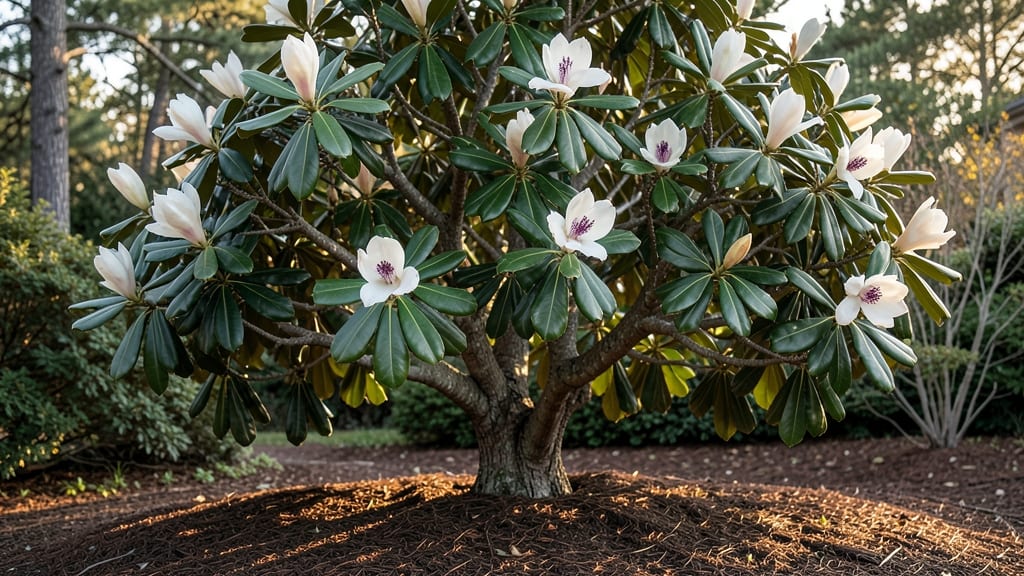
Southern magnolias burst into bloom between late April and June, turning yards into fragrant cloud banks of white and pink. 🌸 I’ve watched my own tree transform from bare branches to a snowdrift of blossoms—each year, the timing shifts slightly with the weather, but that late-spring magic never fails to arrive.
The first buds appear when days warm past 60°F, and once they open, the heavy perfume lingers for weeks, even through light rain.
Your tree’s age and location play a bigger role than most gardeners realize. Young magnolias (under 10 years) often bloom later or more sparsely, while mature specimens put on their best show.
Southern climates trigger earlier blooms—think mid-April in Georgia—while northern edges of the range (Zone 7) might wait until early June. Planting near a south-facing wall or choosing varieties like ‘Little Gem’ can also nudge blooms forward by 1-2 weeks.
To coax the most dramatic display, focus on three things: watering deeply in winter (when roots grow), pruning right after blooms fade (never in late summer), and protecting from late frosts.
Mulch heavily in fall to insulate roots, and avoid heavy fertilizer—magnolias bloom best when they’re not forced into leafy growth. With these tweaks, you’ll get longer bloom seasons and fewer skipped years entirely.
Track your tree’s cycle by marking bloom dates on a calendar—over time, you’ll spot patterns tied to your microclimate. If blooms arrive late one year, it’s often a sign to check soil moisture or adjust winter protection.
The payoff? A reliable spring spectacle that outshines anything from a garden center, year after year.
📚 In This Guide
- What you need
- Instructions
- Tips and common mistakes
- Wrapping up and next steps
What you need
- ● Southern magnolia tree (variety like Magnolia grandiflora, Little Gem, or Bracken’s Brown Beauty—ensure it’s mature enough, ideally 5–10 years old, for robust blooming).
- ● Well-draining, acidic soil (pH 5.0–6.0): Mix 3 parts native soil + 1 part peat moss or pine bark + 1 part compost.
- ● Organic mulch (3–4 inches): Pine straw, cypress mulch, or shredded bark to retain moisture and acidity.
- ● Slow-release fertilizer (balanced 10-10-10 or acidic 8-3-9): 1–2 pounds per 100 sq ft, applied in early spring.
- ● Watering can or hose with adjustable nozzle (for deep watering—1–1.5 inches per week, more during droughts).
- ● Garden gloves (nitrile or leather for durability).
- ● Pruning shears (bypass pruners, sharp and sterilized with rubbing alcohol).
- ● Trowel or spade (for soil amendments, 8–12 inches wide).
- ○ pH testing kit (optional but helpful—LaMotte or MySoil brands work well).
- ● Sunlight access: Full sun (6+ hours/day) or partial shade (avoid harsh afternoon sun in hot climates).
- ● Weather check: Bloom time varies by variety—monitor local frost dates (last frost after March 15 is ideal for most regions).
- ● 🌡️ Test soil moisture before watering—stick your finger 2 inches deep; if dry, it’s time to hydrate!
- ● ✨ Avoid over-fertilizing—magnolias prefer moderate nutrients; overdoing it can stress the tree.
- ● 🔥 Prune after blooming (late spring/early summer) to shape the tree without cutting into old wood.
How to time Southern magnolia blooms by variety
Here's the breakdown I use to predict when your magnolia will burst into fragrant spring color.
🌱 Step 1: Identify Your Magnolia's Variety
Southern magnolias bloom at different times based on their specific variety. Early bloomers like 'Little Gem' typically flower in late March to early April in warmer climates, while standard 'Southern Magnolia' varieties usually bloom in mid-April to early May. Check your tree's tag or consult a local nursery if you're unsure—this is the foundation for timing everything else.
Here's the thing—cold snaps can delay blooms by 2-3 weeks, so keep an eye on your local forecast. I always mark my calendar 2 weeks before the average last frost date as my starting point for bloom anticipation. The key is watching for swollen buds that appear plump and green in late winter.
☀️ Step 2: Monitor Temperature and Sunlight
Southern magnolias need at least 6 hours of direct sunlight daily to set buds properly. If your tree is in partial shade, blooms may be smaller or delayed. I've seen trees in full sun bloom 2 weeks earlier than those with afternoon shade—it's a noticeable difference.
Watch for consistent daytime temperatures above 50°F—this is when buds begin to open. In my zone 8 garden, I notice the first buds crack open when daytime highs hit 55°F for 3 consecutive days. Keep a small notebook nearby to track these temperature shifts—they're your best predictor.
🌿 Step 3: Observe Bud Development Stages
Start checking your tree's buds in late February for the first signs of swelling. Healthy buds will be firm to the touch and show a slight pink tint before opening. I like to photograph them weekly—you'll see dramatic changes over just a few days.
When buds reach about 1 inch in diameter and begin to soften slightly, that's your signal they're ready to open. Here's where it gets exciting: the outer scales will start peeling back to reveal the creamy white flowers underneath. This usually happens 7-10 days before full bloom.
⏰ Step 4: Time the Full Bloom Period
Once the first flowers open, your magnolia will typically reach peak bloom in 5-7 days. The tree will be at its most fragrant and visually stunning during this window. I've found that early morning is the best time to enjoy the scent—it's most intense right after sunrise.
Don't be surprised if blooms last 10-14 days total, though some varieties like 'Bracken's Brown Beauty' can extend this to 3 weeks. The flowers will gradually fade from white to pink as they age, creating a beautiful natural transition. This is when I start planning my spring garden maintenance around the tree's needs.
🌸 Step 5: Prepare for Post-Bloom Care
After the last petals fall, which usually happens 2-3 weeks after initial bloom, focus on keeping the tree hydrated. Southern magnolias develop new flower buds on the previous year's growth, so deep watering every 7-10 days during dry spells is crucial for next year's blooms.
I always apply a 2-3 inch layer of mulch around the base after blooms fall to protect roots and retain moisture. This is also the perfect time to prune any dead or crossing branches—just avoid heavy pruning until after the tree finishes blooming in spring.
Tips & tricks for perfect Southern magnolia bloom timing
Real talk: Predicting your magnolia's bloom time takes patience—but these tricks make it easier than you'd think.
Variety Matters: Don't assume all magnolias bloom the same! 'Little Gem' varieties typically open 2 weeks earlier than standard Southern Magnolias. I've seen 'Little Gem' blooms as early as late March in my zone 8 garden, while the larger varieties hold onto their buds until mid-April. Check your tree's tag or ask your local nursery for exact timing—this is your starting point.
Sunlight Secret: That 6 hours of direct sunlight isn't just a suggestion—it's critical. I've noticed trees with afternoon shade bloom 2 weeks later than those in full sun. If your tree is in partial shade, consider pruning nearby branches to give it more light. The more sunlight, the earlier and more abundant the blooms will be.
Weather Watch: Those 55°F daytime highs for 3 consecutive days are your magic number for bud opening. I keep a small notebook by my garden door to track temperature shifts. If you're in a cooler zone, don't be surprised if blooms are delayed by 1-2 weeks. The key is consistency—buds need stable warmth to open properly.
Bud Photography: Take weekly photos of your buds starting in late February. The changes happen faster than you'd expect! I've seen buds go from firm and green to peeling open in just 7-10 days. These photos create a visual timeline you can reference year after year—it's like having your own magnolia bloom diary.
Pro Tips for Southern Magnolia Bloom Time
- Real talk: Predicting your magnolia's bloom time takes patience—but these tricks make it easier than you'd think.
- Variety Matters: Don't assume all magnolias bloom the same!
- Sunlight Secret: That 6 hours of direct sunlight isn't just a suggestion—it's critical.
Frequently asked questions
Got questions about when your Magnolia grandiflora will burst into bloom? You’re not alone! Here are answers to the most common queries about Southern magnolia bloom time—so you can plan your garden’s fragrant show with confidence.
When do Southern magnolias typically bloom?
Southern magnolias usually bloom in late spring to early summer (May–June), but timing varies by region and tree maturity. Young trees may take 5–10 years to flower, while mature specimens often bloom earlier. Pro tip: Watch for bud swell in late winter—this signals an impending show!
Why isn’t my Southern magnolia blooming yet?
Common reasons include young age, insufficient sunlight (6+ hours/day), or poor soil drainage. Over-fertilizing (especially with nitrogen) can also delay blooms. Troubleshoot: Check for compacted soil, prune dead branches, and ensure well-draining, acidic soil (pH 5.0–6.0). Patience helps—some varieties take decades to reach peak bloom!
Can I force a Southern magnolia to bloom earlier?
No, you can’t rush nature, but you can optimize conditions for earlier blooms. Plant in full sun, water deeply during droughts, and avoid heavy pruning in late winter. Bonus: Mature trees in warmer climates (Zones 7–10) may bloom as early as April!
What are some early-blooming Southern magnolia varieties?
If you crave earlier fragrance, try these varieties:
- ‘Little Gem’: Compact (20–25 ft), blooms May–June.
- ‘Bracken’s Brown Beauty’: Dark foliage, blooms May–July.
- ‘Southern Charm’: Disease-resistant, flowers May–June.
What do I do if my magnolia buds drop before blooming?
Bud drop often signals stress from frost, drought, or pests (like scale insects). Act fast: Water deeply if dry, protect from late frosts with burlap wraps, and inspect for pests. Avoid pruning stressed trees—wait until after blooming to trim.
Wrapping up and next steps
Watching your Southern magnolia bloom is a reward worth savoring! 🌸 From early spring to late summer, these fragrant giants transform your landscape into a sensory masterpiece—each variety offering its own unique timing and charm.
Whether you're a patient gardener or an eager enthusiast, now’s the perfect time to plant, prune, or simply admire their stunning displays.
Ready to dive deeper? Check local bloom forecasts for your region, or explore Southern Living’s plant guides to find the perfect magnolia match for your garden. Happy blooming! 🌿