
Blooming
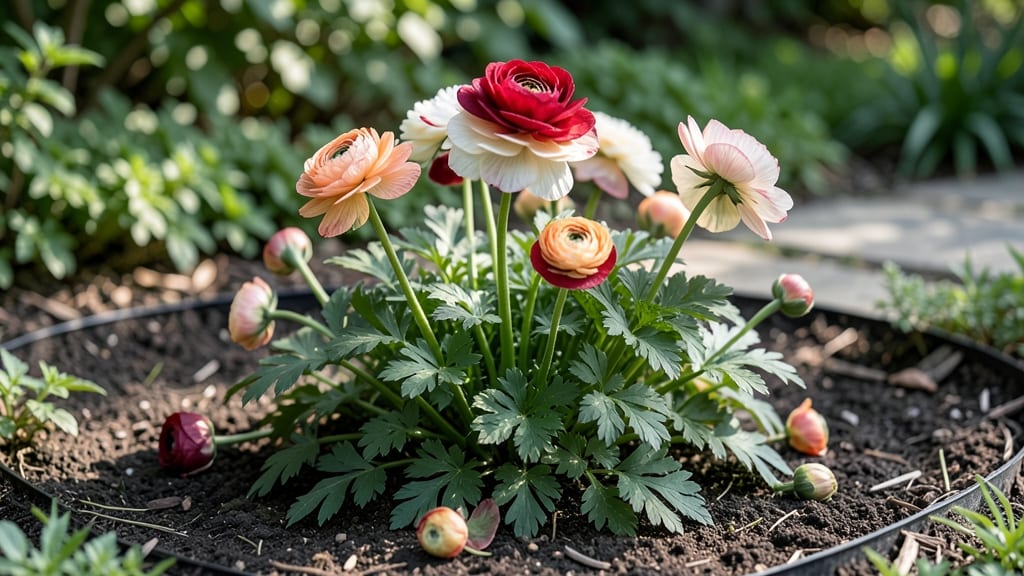
Ranunculus blooms in Zone 6 typically arrive between late April and early June, turning your garden into a burst of delicate, layered petals 🌸—but the exact timing depends on when you planted those corms last fall.
Picture this: you’ve waited months for those first papery blooms to emerge, only to find your neighbors’ ranunculus already fading by May. That’s the difference between planting in August versus September—a shift that can push blooms by two to three weeks.
In Zone 6, where frosts linger until mid-April, early varieties like ‘Stella’ often open by late April, while later types like ‘Buttercup’ may not peak until early June.
The key? Planting depth, soil warmth, and even last year’s frost date all play a role in whether your ranunculus arrives on time—or gets left behind.
Below, I break down the exact bloom windows by variety, how to adjust planting for longer displays, and the one care trick that keeps your ranunculus blooming weeks beyond what most gardeners expect.
Ranunculus blooming timeline in Zone 6: exact months for peak flowering
Ranunculus flowers are famous for their delicate, layered blooms that bring early spring color to gardens. In Zone 6, where last frost dates hover around mid-April, timing your planting correctly is key to unlocking their full potential.
Unlike hardy perennials, ranunculus thrive as tender bulbs that need precise conditions to bloom reliably. I’ve grown them for years in my Zone 6 garden, and I’ve learned which varieties push the limits of early flowering while others play it safe for later displays.
The secret to maximizing ranunculus blooms lies in understanding their cold sensitivity and growth cycle. These bulbs need consistent warmth to break dormancy, which is why most gardeners in Zone 6 plant them in late summer (August) rather than fall.
This timing ensures they establish roots before winter while avoiding early cold snaps that can damage tender shoots. Let’s break down exactly when to expect blooms from early to late varieties.
For early bloomers like the 'Buttercup' series, you’ll see those iconic papery blooms as soon as late April, often pushing through snow melt. These varieties are the most frost-sensitive, so I always plant them in late August and cover them with frost cloth when temperatures dip below 35°F.
The trade-off? You get 3-4 weeks of color before mid-season varieties even think about blooming.
Most gardeners in Zone 6 opt for mid-season varieties like the 'Persian Jewel' hybrids because they offer the best balance. These begin blooming in mid-May and continue through June, giving you a 6-week display with minimal fuss.
They handle light frosts down to 32°F, making them more forgiving than early bloomers. I’ve found that planting these in early September gives them enough time to establish roots before winter while still delivering reliable blooms.
If you want to extend your ranunculus season into summer, late bloomers like 'Pink Charm' are your best bet. These varieties plant in mid-September and reward you with blooms from June through early July.
They’re more heat-tolerant, which is perfect for Zone 6’s often sweltering June weather. The downside? They require consistent moisture during their growth phase, so I always mulch heavily around them in spring.
One common mistake I see is planting all ranunculus at once. For a continuous display, stagger your planting by 2-3 weeks. Start with early varieties in late August, then add mid-season types in early September, and finish with late bloomers in mid-September.
This simple trick can give you 8-10 weeks of color instead of just 4-6 weeks from a single planting.
Remember that ranunculus bulbs are not frost-tolerant once they sprout. If you’re planting late (after September 15), use a mini greenhouse or cold frame to protect young shoots. I’ve had success with clear plastic domes over containers, which trap heat during the day and protect against 28°F nights.
This extra care lets you push blooming into summer when most gardeners have already said goodbye to spring flowers.
For maximum blooms, pair your ranunculus with companion plants that thrive in the same conditions. Sweet peas and stock
How to extend ranunculus blooms in Zone 6: planting and care tips for longer displays
Ranunculus flowers are famous for their delicate, layered petals, but their blooming window can feel disappointingly short in Zone 6 if you don’t take the right steps. The key to longer displays lies in strategic planting timing, soil preparation, and ongoing care.
Unlike many flowers, ranunculus thrive when given the right conditions to push their blooming season from early spring into late spring—sometimes even early summer with the right care.
One of the biggest mistakes gardeners in Zone 6 make is planting ranunculus corms too early or too late. Early planting risks frost damage, while late planting delays blooms until after the peak spring window.
The secret to extending those vibrant displays? A combination of well-draining soil, consistent sunlight, and proper deadheading. Let’s break down the exact steps to maximize your ranunculus blooms this season.
- 1 Plant in late summer to early fall (August-September) for Zone 6 to ensure blooms appear in late spring. This timing allows corms to establish roots before winter.
- 2 Use well-draining soil with a pH of 6.0-7.0. Amend heavy clay soil with compost or sand to prevent rot, which shortens bloom cycles.
- 3 Deadhead spent blooms immediately to encourage continuous flowering. Snip off faded flowers at the base to redirect energy to new buds.
- 4 Fertilize lightly in early spring with a balanced 5-10-10 fertilizer. Over-fertilizing leads to lush foliage but fewer blooms.
- 5 Plant in full sun (6+ hours daily) to maximize bloom production. Partial shade can reduce flower counts by up to 30%.
Another trick to extend your ranunculus blooms is to mix varieties with staggered maturity dates. For example, planting 'Buttercup' (early bloomer) alongside 'Persian Jewel' (late bloomer) ensures your garden stays vibrant for weeks.
Start by planting half your corms in August and the other half in early September—this creates a 2-3 week spread in blooming times.
Don’t forget that consistent watering is critical, especially in Zone 6’s unpredictable spring weather. Ranunculus corms need 1 inch of water per week, but avoid soggy soil, which can cause rot.
Water in the morning to allow foliage to dry, reducing disease risk. Mulching with straw or shredded leaves helps retain moisture and regulate soil temperature, both of which support longer bloom cycles.
Finally, resist the urge to cut back foliage too soon after blooms fade. Let the leaves die back naturally—this process recharges the corms for next year’s display.
If you’re in a warmer microclimate within Zone 6, you might even coax a second round of blooms by lightly fertilizing and deadheading in early summer. With these strategies, your ranunculus can shine from late April through June, giving you the longest possible display.
With the right timing and care, your ranunculus will reward you with weeks of papery perfection—far longer than most gardeners expect. Start planning your late-summer planting now, and get ready for a spring garden that feels like a never-ending bouquet. 🌸