
Blooming
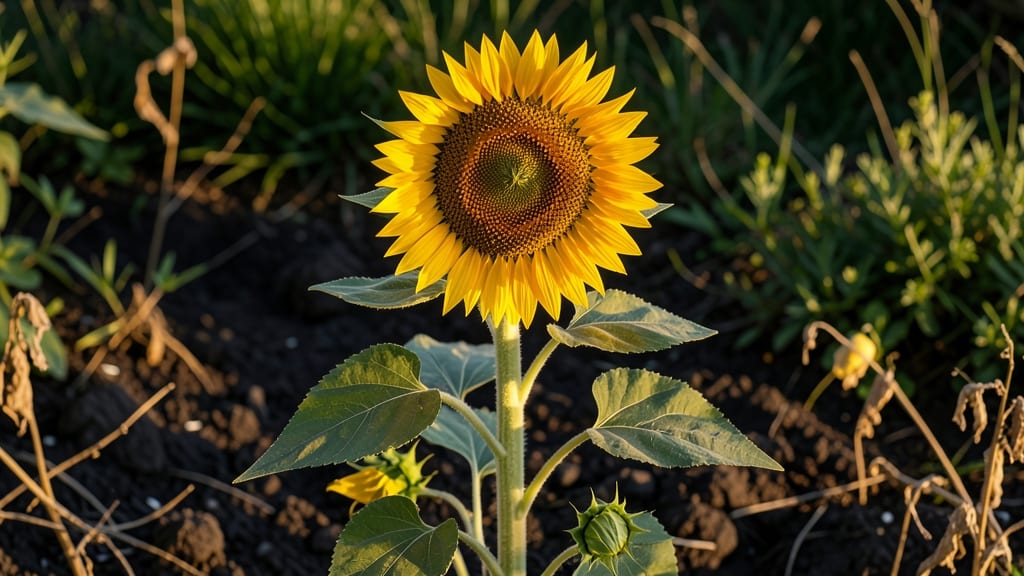
Sunflowers in Illinois bloom between mid-July and early October, when the days grow long and hot enough to trigger their spectacular 🌻 displays.
If you've ever dreamed of watching towering sunflowers sway in an Illinois summer breeze, timing your planting is the secret to unlocking their full glory.
These heat-lovers bloom only when temperatures consistently hit 80°F or higher, so a late April planting in USDA zone 5 might not yield blooms until August, while early June sowings could peak in September.
But here’s the catch: Illinois’ unpredictable weather can shift those windows by weeks. A cool, wet summer could delay blooms, while a heatwave might rush them along. The key is planting after your last frost—typically by April 15—and choosing varieties that match your growing season.
Below, I’ll break down the exact bloom timeline by planting month, how to adjust for Illinois’ climate quirks, and the fastest-blooming varieties that guarantee color even in shorter seasons.
Sunflower bloom timeline in Illinois by planting month (with heat zones)
Sunflowers in Illinois are heat-triggered plants that bloom only when daytime temperatures consistently reach 80°F+ and daylight stretches beyond 14 hours. This means your planting month directly controls whether you’ll enjoy summer blooms or late-season surprises.
In USDA zones 5–7, most varieties need 60–120 days to flower, but timing shifts dramatically depending on when you sow seeds or transplant seedlings.
For example, seeds planted in late April (after last frost) typically bloom in mid-July to early August in southern Illinois, while the same seeds planted in early June may not bloom until September or October.
Understanding these windows helps you plan for extended displays or cut flowers at specific events like Harvest Festivals or weddings.
If you’re planting transplants instead of seeds, timing shifts slightly. Transplants started indoors in April and moved outdoors in May will bloom 2–3 weeks earlier than direct-sown seeds. This is because transplants skip the seedling stage, which can take 10–14 days to emerge in cooler Illinois soils.
For Zone 5 gardeners, late blooms are more common due to cooler soils. If you plant in late May, your sunflowers may not bloom until September, but they’ll still thrive if protected from early frosts.
In Zone 7, early plantings (like late April) can yield blooms as early as mid-July, giving you a 3-month display if you succession plant.
One critical factor is soil temperature. Sunflower seeds need soil to reach 55°F+ to germinate. In northern Illinois (Zone 5), this often means waiting until mid-May to avoid cold soil delays.
Use a soil thermometer to check—if it’s below 55°F, wait another week. In southern Illinois (Zone 7), you can plant as early as late April.
Pro tip: For extended blooms, try planting dwarf varieties (like 'Teddy Bear') in July. These bloom faster (60–70 days) and can still flower before frost hits in October. Pair them with tall varieties (like 'Mammoth') planted in <
How Illinois weather affects sunflower blooming (and how to adjust)
Sunflowers in Illinois thrive when day lengths stretch past 14 hours and soil temperatures climb above 60°F. But our state's unpredictable spring frosts and summer droughts can throw off their natural bloom cycle.
Even a single late frost in May can delay blooming by 2-4 weeks, while prolonged dry spells trigger stress that stunts flower development.
Understanding these weather triggers lets you adjust planting times or care strategies to ensure those iconic golden blooms appear when you want them. For example, northern Illinois gardeners often see blooms 2 weeks later than southern regions simply due to cooler USDA Zone 5 conditions.
⚠️ Critical Bloom Window Alert
Sunflowers in Illinois won't bloom if planted before soil reaches 60°F or after July 1st. Late plantings (after June 15) risk blooming too close to first frost (mid-October), cutting your viewing season short by 30-50%.
Soil warmth is the #1 factor for sunflower blooming. In Illinois, southern regions (like St. Louis) often hit 60°F soil by mid-April, while northern areas (Chicago) may wait until late May.
Use a soil thermometer to confirm readiness—planting too early leads to stunted growth or no blooms at all.
Drought stress is another silent bloom killer. Sunflowers need 1-2 inches of water weekly during flowering, but Illinois summers can deliver dry spells exceeding 3 weeks.
Mulching with straw or wood chips retains moisture while keeping roots 10°F cooler, which actually extends bloom duration by 10-14 days in hot years.
To extend your blooming season, try succession planting: sow fast varieties (like 'Teddy Bear') every 2 weeks from May through June. This creates a rolling bloom display from July through September.
For late-season blooms, use shade cloth (30%) to protect plants from late-summer heat waves that can scorch buds before they open.
Here's my 3-step checklist to troubleshoot delayed blooms:
- Check soil temps—plant only when ≥60°F
- Mulch heavily (3" layer) to prevent drought stress
- Adjust planting dates based on your last frost (use USDA frost maps)
🌻