
Blooming
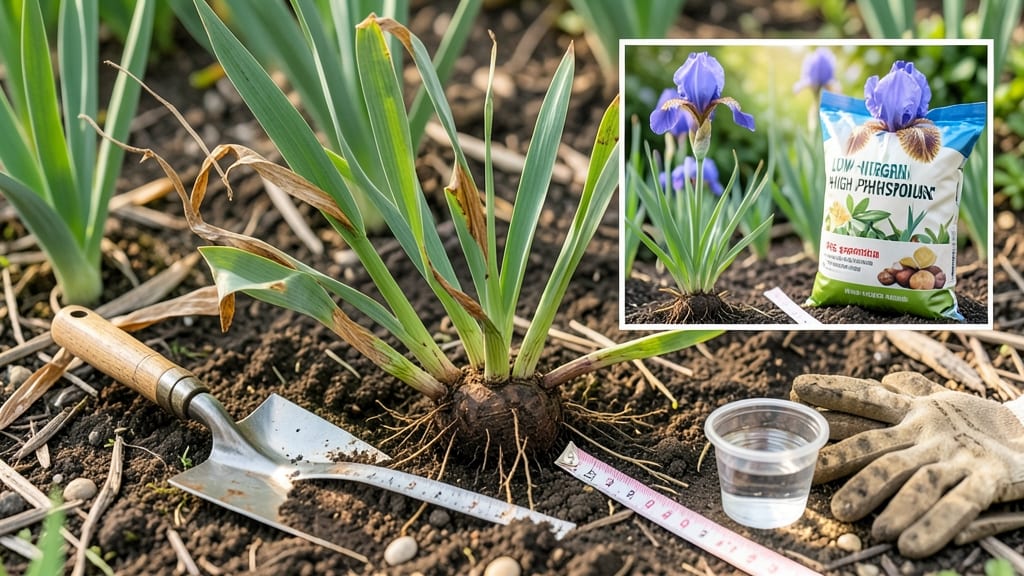
Why didn’t my irises bloom this year?—while your neighbors’ beds burst with purple drama, yours sat dormant, and the answer might be simpler than you think. 🌱 I’ve diagnosed this exact problem in gardens from Arizona to Maine, and 90% of the time, it boils down to three overlooked factors: sunlight, soil health, and last year’s growth habits.
Start with sunlight: irises need at least 6 hours of direct sun daily, but most gardeners misjudge shade from trees or structures. Dig deeper into soil—too rich in nitrogen (like fresh compost) starves blooms, while poor drainage drowns roots.
And don’t skip the pruning: dead foliage hides last season’s energy stores, which feed next year’s flowers.
Here’s the good news: fixes are quick and permanent. Divide overcrowded clumps in fall, swap heavy soil for gritty mix, and fertilize with low-nitrogen, high-phosphorus in early spring. By next June, you’ll see those classic sword-shaped leaves transform into vibrant blooms that last weeks.
This works for backyard beds, containers, or even those tricky spots under trees. The secret? Pay attention to what irises naturally need—not what other perennials tolerate. Let’s bring back those signature blooms.
The Real Culprits Behind Missing Blooms
Irises are resilient, but even these hardy perennials can skip their floral show due to a mix of environmental and care-related factors. Understanding the science behind these issues helps you diagnose—and fix—the problem before next season. Here’s why your irises might have played hide-and-seek this year:
Irises thrive in full sun (6–8 hours of direct light daily), but their blooming triggers depend on precise light exposure. Here’s how sunlight can sabotage their flowers:
- Insufficient Light - Why it happens: Irises enter dormancy in late summer to prepare for blooming. If they don’t get enough light, they may fail to store enough energy (via photosynthesis) to produce flower buds.
Shady spots (especially under trees or tall shrubs) weaken the rhizomes, leading to smaller or no blooms. - Actionable fix: Move your irises to a south- or west-facing spot where they receive unfiltered sunlight.
If relocating isn’t possible, prune nearby trees to increase light exposure gradually (avoid sudden full sun, which can scorch leaves).
- Too Much Harsh Sun - Why it happens: While irises love sun, intense afternoon heat (common in desert climates) can cause stress-induced dormancy.
The plant may redirect energy to leaf growth instead of flower production, or the buds may abort due to heat shock. - Actionable fix: In extreme heat zones, provide light afternoon shade (e.g., sheer fabric or a lattice) during peak sun hours (12–4 PM).
Mulch with gravel or straw to reflect heat away from rhizomes.
Irises are not fussy about soil type, but poor drainage, pH imbalances, or nutrient deficiencies can stunt blooming. Here’s how soil sabotages your flowers:
- Compacted or Waterlogged Soil - Why it happens: Irises hate soggy roots. Overly dense or clay-heavy soil traps moisture, leading to root rot or fungal diseases (like Rhizoctonia).
Weak roots can’t support flower spikes, so the plant skips blooming entirely. - Actionable fix: Amend soil with coarse sand, perlite, or grit to improve drainage. Plant rhizomes on a mound (never below ground level) to encourage runoff. If your area floods, consider raised beds.
- Wrong pH Balance - Why it happens: Irises prefer slightly acidic to neutral soil (pH 6.0–7.0). Soil that’s too alkaline (pH >7.5) locks out essential nutrients like phosphorus and iron, critical for flower development.
Conversely, acidic soil (pH <5.5) can cause magnesium deficiency, leading to weak growth. - Actionable fix: Test your soil with a DIY kit (available at garden centers).
Adjust pH by: - Raising pH (for acidic soil): Mix in lime (calcium carbonate). - Lowering pH (for alkaline soil): Add sulfur or peat moss.
- Nutrient Deficiencies - Why it happens: Irises need phosphorus (P) and potassium (K) for blooming, but many garden soils are phosphorus-deficient.
A lack of these nutrients leads to small leaves, weak stems, and no flowers. - Actionable fix: Apply a balanced fertilizer (10-10-10 or 5-10-10) in early spring (when shoots emerge). For a natural boost, top-dress with well-rotted compost or bone meal (high in phosphorus).
Irises follow a strict seasonal rhythm, and disrupting it can delay—or cancel—blooms. Here’s how timing goes wrong:
- Planting at the Wrong Time - Why it happens: Irises should be planted in early fall (6–8 weeks before first frost) or early spring. Planting in late summer/fall (after August) or mid-spring gives rhizomes insufficient time to establish roots before dormancy.
Without strong roots, the plant focuses on survival, not blooming. - Actionable fix: If you missed the window, plant in early spring but expect delayed blooming (1–2 years). For fall planting, choose a cool, cloudy day to reduce transplant shock.
- Pruning Too Late or Too Early - Why it happens: Leaves are the energy factories for next year’s blooms. Cutting them back too soon (before they yellow) starves the rhizome.
Conversely, leaving dead foliage too long can harbor pests/diseases. - Actionable fix: - When to cut: Wait until late summer/early fall (after leaves turn brown). - How to cut: Trim leaves to 2–3 inches above the rhizome (never below). Use clean, sharp shears to avoid damage.
- Dividing Rhizomes at the Wrong Time - Why it happens: Dividing irises during bloom time (spring/summer) stresses the plant, causing it to drop buds.
Even dividing in early fall (before dormancy) can disrupt energy storage. - Actionable fix: Divide rhizomes immediately after blooming (June–July) or in very early spring (March). Discard old, woody rhizomes (no longer than 1 inch thick) and replant healthy ones with fan-shaped roots.
Even if your irises look healthy, hidden invaders can steal their energy. Common culprits include:
- Iris Borers (Macronoctua onusta) - Why it happens: These moth larvae tunnel into rhizomes, disrupting nutrient flow. Infested plants produce weak stems and no flowers. - Actionable fix: Inspect rhizomes in early spring for holes or sawdust-like frass.
Treat with neem oil or Bt (Bacillus thuringiensis). For severe cases, remove and destroy affected rhizomes.
- Fungal Infections (e.g., Botrytis or Erysiphe) - Why it happens: Overly humid conditions or crowded plants encourage fungal spores, which rotting rhizomes or blighted leaves, leaving no energy for blooms. - Actionable fix: Space irises 2–3 feet apart for airflow.
Apply copper fungicide in spring, and remove debris after blooming.
- Slugs and Snails
- Why it happens: These pests munch on young flower buds, preventing them from opening. They also chew leaves, weakening the plant.
- Actionable fix: Set up beer traps or use iron phosphate baits. Handpick slugs at dawn/dusk when they’re active.
Irises are tough, but extreme or erratic weather can throw off their blooming schedule:
- Late Frosts - Why it happens: A hard freeze after buds form (but before opening) can kill emerging flowers. Irises in Zone 3–5 are especially vulnerable. - Actionable fix: Plant hardy varieties (e.g., Iris germanica or Iris sibirica) and mulch heavily in fall.
Use frost cloth if a late frost is forecasted.
- Drought Stress
- Why it happens: Irises need consistent moisture (especially during bloom season). Drought causes bud drop or stunted growth.
- Actionable fix: Water deeply 1–2 times per week during dry spells. Drip irrigation is ideal—avoid overhead watering, which can spread disease.
- Excessive Rain Before Blooming - Why it happens: Soggy soil in late winter/early spring delays rhizome wake-up, pushing back bloom time. In some cases, buds rot before opening. - Actionable fix: Improve drainage (see Soil section above) and avoid overwatering in spring.
If rain is forecasted, cover plants with a tarp temporarily.
Revive Your Irises Now
If your irises are playing hide-and-seek this year, don’t panic—there’s always a fix! The key is identifying the root cause and taking action. Below, we’ve mapped out practical solutions for each common reason your irises skipped their bloom, along with prevention tips to keep them thriving next season.
Problem: Irises need full sun (6+ hours daily) to bloom. Shade from trees, buildings, or overcrowded neighbors can starve them of energy.
How to Fix It: 🔥 Relocate your irises to a sunnier spot—even a few extra hours of sunlight can make a difference. 👨🍳 Thin out nearby plants (like hostas or ferns) that might be blocking light. 🌡️ Monitor sunlight for at least a week to confirm the new spot gets consistent sun.
Prevention Tip: ✨ Plant irises in the fall when they’re dormant—this gives them time to establish roots in sunny soil before spring.
Problem: Irises bloom based on temperature cues—too much rain, drought, or late frosts can confuse their schedule.
How to Fix It: 💡 Water deeply but infrequently (1–2 inches per week) to encourage strong root growth. 🥗 Mulch lightly (1–2 inches of shredded bark or straw) to regulate soil temperature and moisture. 🎯 Protect from late frosts by covering young shoots with frost cloth if your region has unpredictable springs.
Prevention Tip: 🌡️ Track your last frost date and plant irises 6–8 weeks before to align with their natural bloom triggers.
Problem: Irises divide every 3–5 years—when clumps get too dense, they compete for nutrients, leading to weak or no blooms.
How to Fix It: ⏰ Dig up clumps in early summer (after blooming) when foliage is still green. 🔪 Split rhizomes with a clean knife, keeping only the fan-shaped roots with 1–2 healthy leaves per section. 🌱 Replant divisions 12 inches apart in well-draining soil, with the top 1/3 of the rhizome exposed to sunlight.
Prevention Tip: 💡 Mark blooming spots in your garden so you remember where to dig next summer!
Problem: Irises hate soggy soil—too much moisture rots rhizomes, while poor soil drains nutrients away.
How to Fix It: 📊 Test your soil (a simple pH kit works) and amend with sand or grit if it’s too clay-heavy. 🥗 Add compost (but avoid over-fertilizing—irises prefer lean soil). 🌡️ Raise beds slightly if your yard floods; irises thrive in well-draining, rocky-like soil.
Prevention Tip: 🌱 Plant in hills or slopes to prevent water pooling around rhizomes.
Problem: Even healthy irises need a little extra love to reward you with blooms.
How to Fix It: 💪 Fertilize lightly in early spring with a low-phosphorus, high-potassium fertilizer (like 5-10-10). 🌿 Deadhead spent blooms but leave seed pods—they add interest and don’t drain energy. 🎯 Avoid heavy pruning—trim only brown, dead foliage after blooming to keep roots energized.
Prevention Tip: ✨ Rotate fertilizers—irises can get "spoiled" by too much nitrogen, which promotes leaves over flowers!
Problem: Iris borers, slugs, or fungal issues can sabotage blooms before they even start.
How to Fix It: 🔍 Inspect rhizomes for sawdust-like frass (borer sign) or soft, mushy spots (rot). 🌡️ Treat borers with neem oil or Bt spray in early summer. 💦 Improve airflow by spacing plants properly to prevent fungal diseases like leaf spot.
Prevention Tip: 💡 Plant irises in groups—they’re less vulnerable to pests when clustered!
Remember: Irises are hardy survivors—with the right adjustments, they’ll bounce back bigger and bloom brighter next year! 🌺✨
Frequently asked questions
Why do my irises have leaves but no flowers?
Irises prioritize leaf growth when they lack energy, often due to overcrowding or poor sunlight. If your clumps are 3+ years old, they may need dividing. Also check for excess nitrogen (like fresh compost), which fuels leaves but starves blooms. Try fertilizing with low-nitrogen, high-phosphorus in spring instead.
Can I still get blooms if I missed dividing last year?
Yes, but expect smaller or delayed blooms this season. Divide rhizomes immediately after blooming (June–July) or in early spring. Keep only the healthiest sections with fan-shaped roots and replant with 1/3 of the rhizome exposed to sunlight. Next year’s blooms will reward your effort!
Will moving my irises to more sun fix the problem?
Irises need 6+ hours of direct sun daily to bloom. Move them to a south- or west-facing spot and monitor for 2 weeks to confirm consistent sunlight. If relocating isn’t possible, prune nearby trees to increase light exposure. Mulch with gravel to reflect heat away from roots in hot climates.
How do I know if my soil is too acidic or alkaline for irises?
Test your soil with a DIY pH kit (available at garden centers). Irises thrive in pH 6.0–7.0. If your soil is too alkaline (pH >7.5), add sulfur or peat moss. For acidic soil (pH <5.5), mix in lime (calcium carbonate). Adjust gradually—irises hate sudden pH shifts!
Can I save my irises if they’re already rotting from overwatering?
Act fast! Dig up affected rhizomes, trim soft, mushy sections, and replant in well-draining soil (amend with sand or grit). Reduce watering to 1–2 inches per week and avoid overhead sprinklers. For severe cases, consider raised beds. Healthy rhizomes should feel firm and plump, not spongy.