
Blooming
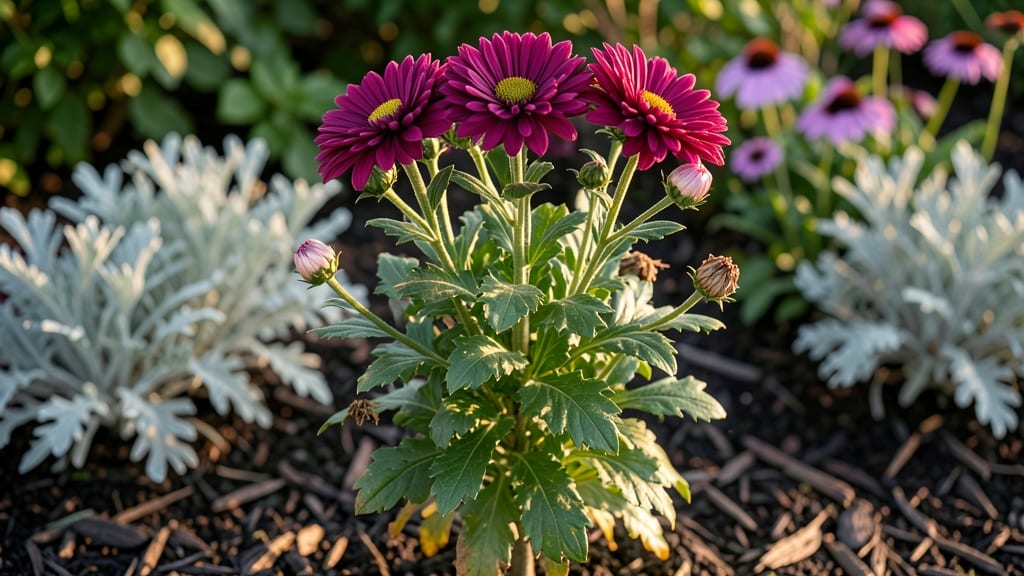
Chrysanthemums will bloom twice in a single season if you plant reblooming varieties, which need careful pruning, balanced fertilization, and strategic light exposure to encourage a second flowering cycle. Fall's cooler temperatures act as a natural trigger for this process.
Not all chrysanthemums have this ability—only reblooming varieties like 'Dynasity' or 'Matilda' produce two flushes of flowers per year. 🌸 The secret lies in their genetic programming: these plants respond to shorter daylight hours in late summer by resetting their growth cycle.
After the first bloom, you'll need to prune back about one-third of the plant and switch to a high-phosphorus fertilizer to jumpstart new flower buds. Without these steps, even reblooming types may only produce a single bloom.
This second bloom typically appears in late summer to early fall, offering gardeners an extended display. The key is patience—rushing the process with too much sunlight or heat can actually prevent reblooming.
I've found that providing partial shade during summer's peak helps conserve energy for that second flowering phase, while keeping soil consistently moist (but not waterlogged) ensures the plant has the resources it needs.
💡 In This Article
- Why Some Chrysanthemums Bloom Twice (Science Behind Reblooming)
- How to Encourage a Second Chrysanthemum Bloom (Step-by-Step Guide)
Why some chrysanthemums bloom twice (science behind reblooming)
Chrysanthemums are classified as short-day plants, meaning their flowering is triggered by decreasing daylight hours rather than temperature alone. When days shorten in late summer, these plants detect the reduced photoperiod through specialized cells in their leaves called phytochromes, which act like biological light sensors.
This process is what initiates the first bloom cycle. 🌞 For reblooming varieties, the magic happens when gardeners intervene with proper care—this mimics the natural cues the plant would receive in its native Asian habitats, where distinct seasons create ideal conditions for two flowering periods.
The hormonal mechanism involves two key plant hormones: cytokinins (which promote cell division) and gibberellins (which stimulate growth). After the first bloom, reblooming chrysanthemums need a hormonal reset triggered by pruning and fertilization.
A high-phosphorus fertilizer (like a 5-10-10 blend) provides the phosphorus needed for flower bud formation, while pruning removes spent blooms and redirects the plant's energy toward new growth. Without this intervention, single-bloom varieties simply focus their energy on seed production after their initial flowers fade, making reblooming impossible.
Temperature plays a crucial role too. Chrysanthemums enter a semi-dormant state when nighttime temperatures drop below 60°F—this cool period signals the plant to conserve energy and prepare for regrowth.
In warmer climates, gardeners often need to provide afternoon shade to prevent heat stress, which can halt the reblooming process entirely. The combination of shorter days, cooler nights, and proper nutrition creates the perfect storm for that second flush of vibrant blooms.
Here's what sets reblooming varieties apart at a biological level: their genetic makeup includes a "reset switch" that allows them to respond to environmental cues multiple times in a season. Single-bloom types lack this flexibility—their growth cycle is hardwired for one bloom followed by seed production.
For example, the popular 'Dynasity' series contains genes that make it particularly responsive to these seasonal changes, while older heirloom varieties often bloom just once. 🌸 This genetic difference explains why some chrysanthemums can produce stunning fall displays even after their summer blooms have faded.
One fascinating detail is how light quality affects reblooming potential. While shorter daylight hours trigger the initial response, the intensity of that light matters too.
Plants exposed to bright but indirect light (like morning sun with afternoon shade) produce stronger stems and more robust flower buds than those baked in full sun all day.
This is why gardeners in hot climates often see better reblooming results when they provide afternoon shade—it's not just about temperature control, but also about maintaining the right light spectrum for hormonal balance.
The second bloom typically appears 6-8 weeks after proper pruning and fertilization, though this can vary by 1-2 weeks depending on your climate zone.
In USDA Zone 7, for instance, you might see that second flush in early September, while gardeners in Zone 5 may need to wait until late September or October.
The flowers often aren't quite as large as the first bloom, but they make up for it in sheer abundance, creating a spectacular late-season display that continues into fall's crisp air.