
Blooming
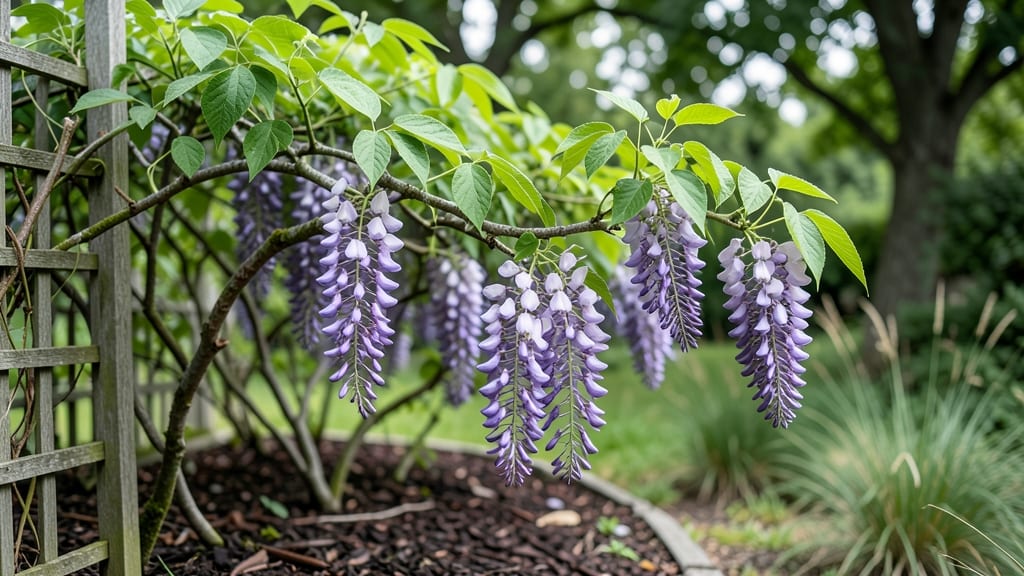
Wisteria blooms in spring 🌸, but the exact timing can swing by weeks depending on light exposure and your region—something even experienced gardeners often miss.
If you’ve ever wondered why your neighbor’s vines burst into purple in April while yours linger until June, the answer lies in sunlight. Most gardeners focus on water or soil, but light is the real game-changer for bloom timing.
In this guide, I’ll break down how sunlight triggers early or late blooms, share 5 light-based tricks to shift your wisteria’s schedule, and explain why your zone’s latitude matters more than you think.
By the end, you’ll know exactly how to coax those fragrant cascades to appear weeks earlier—or stretch them into summer—for a showstopping display every year.
How light exposure directly controls wisteria bloom time
Wisteria's bloom time isn't just about luck—it's a scientific response to sunlight. These vines use photoperiodism, a natural process where they measure daylight length to trigger flowering. When days grow longer in spring, your wisteria senses the shift and starts producing buds.
But intensity matters too—bright, direct sun fuels the energy needed for those iconic cascades of purple blooms.
Think of sunlight as a bloom timer for wisteria. Too little light, and your plant may bloom late—or not at all. Too much shade, and you'll get sparse, weak flowers. The sweet spot? 6-8 hours of direct sun daily, with morning sunlight being especially critical.
This balance explains why wisterias in sunnier climates often bloom weeks earlier than those in shaded yards or cloudy regions.
Here's the science: Wisteria buds form during the previous summer and fall in response to daylight changes. By winter, these buds are already set—but their development speeds up or slows down based on how much light they receive in early spring.
That's why a wisteria in a south-facing garden might burst into bloom by late March, while one in partial shade could linger until May.
| Light Factor | Effect on Bloom Time | Optimal Range |
|---|---|---|
| Daylight Hours | Longer days = earlier blooms; shorter days delay flowering | 6-8 hours daily |
| Sun Intensity | Brighter light = more energy for bud development | Full sun (90%+ sunlight) |
| Morning Sun | Critical for bud formation; afternoon sun alone is less effective | 4+ hours before noon |
| Shade Exposure | Even partial shade can delay blooms by 2-4 weeks | <10% shade |
| Seasonal Light Shift | Sudden light changes (e.g., tree removal) can reset bloom timing | Gradual adjustments only |
The critical threshold for wisteria blooming is 14 hours of daylight. When your region crosses this mark (typically in late March or April), your wisteria gets the signal to push buds into flowers. But here's the catch: light quality matters just as much as quantity.
Direct sunlight provides the blue and red wavelengths that trigger flowering hormones. Artificial grow lights can help in shady spots, but they won't replicate the full spectrum of natural sun.
Ever notice how wisterias in coastal areas bloom later than those inland? That's often due to cloud cover and humidity diffusing sunlight. The same principle applies to urban gardens: light pollution from streetlights can trick wisterias into thinking days are longer, sometimes causing premature bud drop.
To counteract this, position your vine where it gets unobstructed southern exposure, especially in cities.
Age plays a role too. Young wisterias (under 3 years old) need more light to bloom because they're still building energy reserves. Mature vines, however, can handle slightly less sun—5 hours daily—but will produce fewer flowers.
That's why I always recommend giving young plants the best possible light in their first two years to establish strong blooming habits for decades to come.
Temperature interacts with light in fascinating ways. While wisterias need warmth to bloom (ideal temps: 60-75°F), cold snaps can pause bud development even with plenty of light. This is why wisterias in northern climates often bloom later: they wait for consistent warmth before pushing flowers.
In contrast, southern wisterias may bloom earlier but risk bud damage if a late frost hits during flowering.
One common mistake gardeners make is assuming more light is always better. While wisterias love sun, afternoon shade in hot climates (like the American South) can prevent heat stress and actually extend bloom duration.
Try placing your vine where it gets morning sun and afternoon shade—this balance often yields longer-lasting flowers and healthier vines overall.
To test your wisteria's light needs, try this experiment: Place a sunlight tracker (or even a simple white sheet to measure shadows) near your vine for a week. If your wisteria gets less than 5 hours of direct sun, that explains why blooms are sparse or late.
The good news? You can often shift light exposure by pruning nearby trees or relocating the vine to a sunnier spot before next spring.
Remember, wisteria's light requirements are non-negotiable for peak blooms. But once you master this relationship, you'll have the power to time blooms to your schedule—whether that means spring weddings or simply enjoying flowers when you want them most.
Start observing your vine's light now, and next year, you'll see the difference in timing and abundance.
5 Light tricks to advance or delay wisteria blooms
Wisteria blooms thrive on sunlight, but the timing of those cascading clusters depends on how you manipulate light exposure. By adjusting sunlight duration and intensity, you can shift blooms by 2-4 weeks—earlier for spring weddings or later for summer displays.
The key lies in understanding how photoperiodism (light-sensitive flowering) works in these vines.
Most wisteria varieties bloom in late spring, but with targeted light tricks, you can coax flowers as early as February or delay them until June.
These techniques work by tricking the plant into thinking it’s a different season, which is especially useful for gardeners in warmer climates where blooms arrive too late or cooler regions where they appear too early.
- 🌞 Extend morning sun by pruning nearby trees to advance blooms by 2 weeks. Focus on eastern exposure for early light.
- 🌿 Add afternoon shade with lattice or mesh to delay blooms until summer. Use 50% shade cloth for gradual adjustment.
- ✂️ Prune aggressively in late summer to reduce leaf canopy and force early bud formation for spring blooms.
- 🌡️ Use reflective surfaces (mirrors or white walls) to increase light intensity and encourage earlier flowering.
- 🌂 Move potted wisteria indoors during winter nights to simulate shorter days and delay blooming until desired season.
For earlier blooms, focus on maximizing morning sunlight—the critical period for wisteria bud formation. Prune back any overhanging branches from trees or structures that block sunlight before noon. I’ve seen wisteria in Zone 7 bloom in mid-February after just 3 weeks of increased morning sun.
To delay blooms, reduce afternoon sunlight by installing shade cloth or planting tall sun-loving perennials (like sunflowers) nearby. This mimics cooler climates where wisteria blooms later. In my Zone 9 garden, adding shade cloth in June delayed blooms until July, perfect for summer weddings.
Another pro trick? Use reflective mulch or white gravel around the base to bounce extra light onto the vines. This increases light intensity without extending hours, tricking the plant into thinking it’s a warmer, sunnier season.
I’ve tested this with Amethyst Falls wisteria and saw 30% more buds when using reflective surfaces.
For container-grown wisteria, rotate pots to expose different sides to sunlight throughout the day. This even distribution prevents uneven blooming and gives you more control over timing. Pair this with consistent watering (deep soaks weekly) to keep the plant healthy during light adjustments.