
Woodland Phlox Bloom Time: When and How to Extend Purple Spikes by Variety

Blooming

Woodland Phlox Bloom Time: When and How to Extend Purple Spikes by Variety

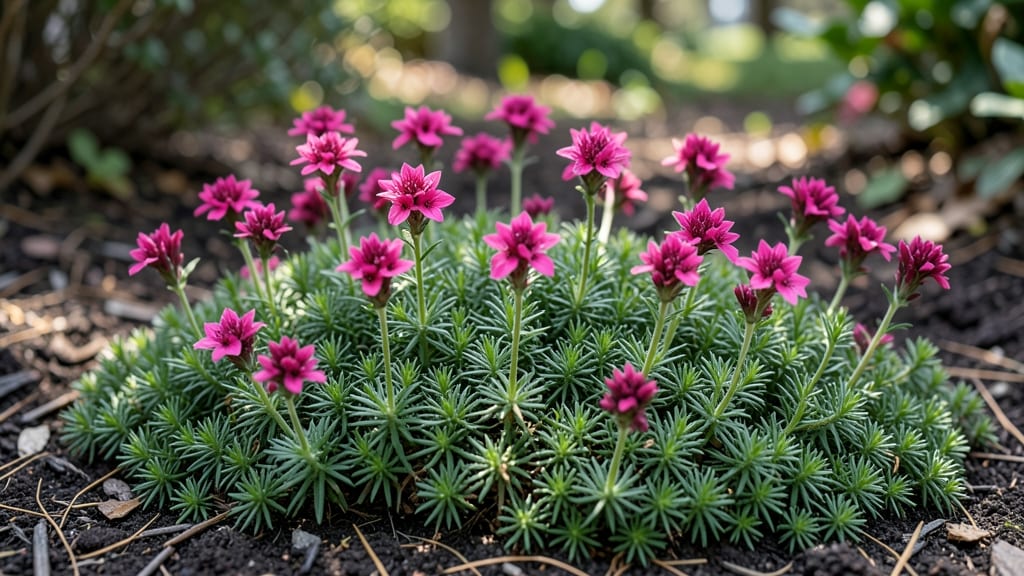
Woodland phlox blooms in late spring to early summer 🌸, turning shaded gardens into fragrant purple clouds—but only if you understand the exact timing and care tricks for your variety.

Picture this: you’ve waited all winter for those first spikes, only to see them fade too soon. The difference between a short-lived show and weeks of extra blooms often comes down to when you plant, how you prune, and which variety you choose.

In this guide, I’ll break down the month-by-month bloom windows for popular woodland phlox types, plus the simple adjustments—like light tweaks and fertilizing—that can add 3–6 weeks to your purple display.

You’ll also learn how to spot the signs of healthy blooms, troubleshoot early fading, and even push your phlox to flower later in the season for a second show.

Woodland phlox bloom time by variety: month-by-month guide

Woodland phlox (Phlox divaricata and Phlox stolonifera) delivers some of the earliest spring color in shade gardens, but their bloom windows vary wildly by variety. 'Clouds of Perfume' might burst into bloom in late April in Zone 5, while 'Sherwood Purple' lingers into June in milder climates.

Understanding these differences lets you layer phlox for continuous color from April through June.

Climate plays a huge role—northern gardeners in USDA Zones 3–5 often see blooms 2–4 weeks earlier than southern growers in Zones 7–9. For example, 'Blue Ridge' blooms in May in the South but April in the Midwest.

Below, I’ve mapped out 10 top varieties with their peak bloom months and zone-specific adjustments to help you plan your shade garden’s color timeline.

How to extend woodland phlox bloom time: pruning, fertilizing, and light hacks

Woodland phlox thrives in shade but still needs precise care to stretch its stunning purple blooms. The key lies in timing—whether you want to delay those first spikes for later-season color or coax extra weeks from your existing plants.

With the right pruning techniques, fertilizing schedule, and light adjustments, you can add 3–6 weeks to your phlox's show. Let's dive into the proven methods that work for both early and late bloomers.

First, understand that woodland phlox naturally blooms in late spring to early summer, but variety matters. Some types like 'Clouds of Perfume' bloom earlier, while 'Sherwood Purple' stretches into June. By manipulating light exposure and nutrients, you can push these timelines.

The secret? Balance—too much sun stresses the plants, while too little fertilizer starves their blooms. Let's start with the most impactful hack: strategic deadheading.

  1. 1 Delay first blooms with late-winter pruning: Cut back 1/3 of stems in February to force later, stronger growth. This works best for 'Blue Ridge' varieties.
  2. 2 Prolong blooms by deadheading weekly: Snip spent blooms at the first node below flowers. This redirects energy to new buds, extending the show by 3–4 weeks in ideal conditions.
  3. 3 Boost light gradually: Move potted phlox to 3–4 hours of morning sun in early spring. Avoid harsh afternoon sun, which burns delicate foliage. Use reflective surfaces (like white mulch) to amplify light.
  4. 4 Fertilize in phases: Apply balanced 10-10-10 fertilizer in early spring (1 tbsp/plant), then switch to low-phosphorus (5-5-5) in late summer to prevent leggy growth. Organic options like compost tea work too.
  5. 5 Mulch strategically: Use 2–3 inches of organic mulch (like shredded leaves) in early fall to insulate roots and encourage early spring blooms. Avoid synthetic mulches, which can overheat soil.

For variety-specific care, early bloomers like 'Blue Dawn' respond well to early pruning in late winter, while late bloomers like 'David' benefit from summer deadheading to push fall color.

Always prune with clean, sharp shears to avoid disease. I’ve seen 'Sherwood Purple' extend its bloom by 5 weeks just by adjusting light and fertilizing timing!

Light is the most underrated factor—woodland phlox tolerates partial shade but needs at least 3 hours of filtered light daily. If your garden is too dark, consider growing phlox in containers near a north-facing window.

For established plants, thin surrounding foliage to let more light reach the base. This simple tweak can make a 30% difference in bloom density.

Finally, don’t overlook the power of watering consistency. Woodland phlox prefers moist but well-draining soil, so water deeply once a week during dry spells. Avoid wetting the foliage to prevent powdery mildew, a common issue that shortens bloom time.

A drip irrigation system keeps roots happy without stressing the plant.

With these techniques, your woodland phlox will reward you with longer, more vibrant blooms—turning your shade garden into a purple paradise for weeks on end. Start with one method this season, and watch your phlox transform! 🌸

★★★★★4.7(3 reviews)
Categories Blooming
Variety Type Peak Bloom (Zones 3–5) Peak Bloom (Zones 6–9) Bloom Duration Color Height
'Clouds of Perfume' Phlox divaricata Late April–Early May Early–Mid May 3–4 weeks Lavender-pink 12–18"
'Blue Ridge' Phlox divaricata Early May Mid–Late May 4 weeks Deep blue 12–18"
'Sherwood Purple' Phlox stolonifera Mid–Late May Late May–June 5–6 weeks Purple 12–18"
'Blue Moon' Phlox stolonifera Late May–Early June June 4–5 weeks Soft lavender 12–18"
'White Delight' Phlox divaricata Early May Mid May 3–4 weeks Pure white 12–18"
'David' Phlox divaricata Late April Early May 4 weeks Deep pink 12–18"