
Blooming
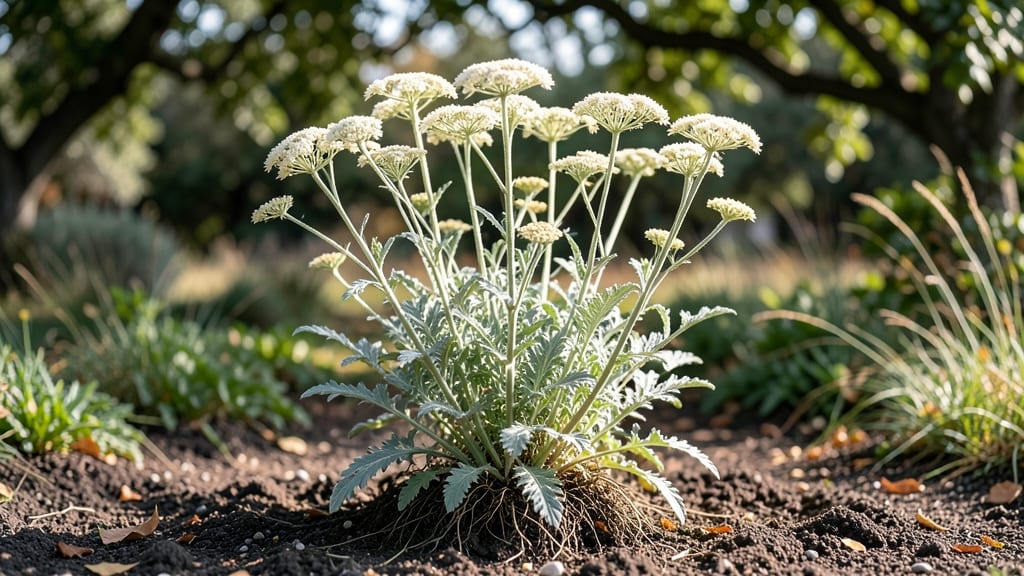
Yarrow's purple blooms arrive like clockwork every summer, but the real magic happens when you learn to trigger those heat-induced reblooms—turning one season of color into a year-round display. 🌸 I’ve watched my yarrow go from a single summer flush to blooming nearly nonstop, and the secret isn’t complicated: it’s all about heat, deadheading, and a little strategic pruning.
The timing depends on your climate, but most yarrow varieties burst into bloom between late June and August, with heat-loving types like ‘Moonshine’ or ‘Autumn Queen’ stretching that into fall.
In cooler regions, you might see a shorter window, but with the right care, you can coax a second flush by late summer. The key? Let those spent blooms turn brown before snipping them back—this triggers new growth when temperatures dip just enough to restart the cycle.
By the end of summer, you’ll have clumps of yarrow covered in fresh purple blooms, drawing in pollinators and adding a pop of color to borders or meadow-style gardens. Pair it with lavender or catmint for a drought-tolerant purple powerhouse combo that thrives on neglect.
The best part? Once established, yarrow spreads easily, filling gaps in your garden with minimal effort.
Works in full sun to partial shade, from coastal climates to arid zones—just adjust your deadheading schedule to match your local heat patterns. For a foolproof approach, mark your calendar for mid-July and again in September to prune back old blooms and watch the reblooms appear like magic.
📚 In This Guide
- What you need
- Instructions
- Tips and common mistakes
- Wrapping up and next steps
What you need
- ● Yarrow plants (Achillea millefolium): Established plants (1–3 years old) for best results
- ● At least 3–5 plants per section for dense blooms
- ● Pruning shears or sharp scissors: Clean, sterilized tools to prevent disease
- ○ Optional: bypass pruners for cleaner cuts
- ● Heat source (for rebloom trigger): Sunlight: Full sun (6+ hours/day) is non-negotiable!
- ○ Optional heat boosters: Reflective mulch (e.g., aluminum foil or heat-absorbing fabric)
- ● Black plastic mulch (for soil warming)
- ● Fertilizer (light feed): Balanced 10-10-10 or low-nitrogen option (e.g., fish emulsion 5-5-5)
- ○ 1 tbsp per plant after first pruning (optional)
- ● Deadheading tool (e.g., gloves + fingers for precision)
- ● Slow-release granules (e.g., osmocote for extended blooms)
- ● Drought-resistant mulch (e.g., gravel or straw to retain heat)
- ● Growth regulator (e.g., seaweed extract to reduce legginess)
How to extend yarrow's bloom season naturally
Here’s how I coax yarrow into reblooming reliably—no fancy tricks, just heat and timing.
🌱 Step 1: Deadhead After First Flush for Stronger Rebloom
Once the first round of blooms fades, snip off spent flower heads right at the base with clean pruners. I always do this in early summer when the stems feel sturdy but the blooms turn brown—never wait until they’re completely dry. This removes the plant’s energy drain from seed production and redirects it to new growth.
Watch for fresh green shoots emerging from the base within 2-3 weeks. These are your rebloom candidates. If you see leggy stems stretching toward the sun, your plant needs more light—yarrow thrives in full sun (6+ hours daily) but won’t rebloom well in shade.
☀️ Step 2: Time the Heat for Second Bloom Trigger
Yarrow’s rebloom is heat-triggered, so I wait until late summer when daytime temps hit 75°F consistently. This usually means waiting until after the first frost risk passes—around mid-August in most zones. The key is patience; forcing it too early with artificial heat won’t work.
Once temps stabilize, water deeply once a week (more in extreme heat) until the soil feels dry 2 inches down. Overwatering now causes root rot, which kills rebloom potential. You’ll see new flower buds form in 3-4 weeks—they’ll look like fuzzy green pom-poms before opening.
✂️ Step 3: Light Prune for Fall Color and Winter Hardiness
After the second bloom fades, give your yarrow a light haircut—cut back stems by one-third to encourage a third, smaller flush in fall. This also tidies up the plant and prevents it from flopping over in winter. I always use sharp pruners to avoid crushing stems, which invites disease.
Leave the basal foliage intact—this protects the crown from freezing. In colder zones, a 2-inch layer of mulch (like straw or shredded leaves) keeps roots insulated. You’ll see fresh growth emerge in spring from the same base, proving the plant’s hardiness.
🌿 Step 4: Feed and Fertilize for Next Year’s Performance
In early fall, apply a balanced, slow-release fertilizer (10-10-10) at half strength. Yarrow is drought-tolerant but benefits from a little extra phosphorus to build strong roots for next season’s blooms. Water it in well so the granules reach the roots.
By late fall, stop fertilizing entirely. The plant needs to harden off naturally. If you notice any yellowing leaves, it’s likely from overwatering—yarrow thrives on neglect once established. A healthy plant will look dormant but alive, with green stems at the base.
Tips & tricks for perfect yarrow rebloom timing
A few simple adjustments can transform your yarrow from one-season wonder to year-round bloomer—here's how to get it right.
Timing Secret: The 2-3 week window after deadheading in Step 1 is crucial. I've found that if you see leggy growth before this period, your yarrow needs more light—move it to a sunnier spot immediately. The plant needs full sun (6+ hours daily) to redirect energy properly. Watch for those fresh green shoots emerging from the base—they're your rebloom signal, and they'll appear sooner if conditions are ideal.
Heat Control: That 75°F threshold in Step 2 isn't just about temperature—it's about consistency. I've learned the hard way that even one cool day below 70°F can delay bud formation. Use a simple outdoor thermometer to track daily highs. If your area has unpredictable summer weather, consider planting yarrow near a south-facing wall that absorbs and radiates heat. The 3-4 week bud formation period will start reliably once temps stabilize.
Pruning Precision: When you give your yarrow that one-third haircut in Step 3, cut at a 45-degree angle just above a leaf node. This encourages new growth from that exact spot. I always use sterilized pruners to prevent disease transmission—wipe them with rubbing alcohol between cuts. The basal foliage you leave intact acts like a living blanket, protecting the crown through winter. Don't cut too close to the base, or you risk exposing the crown to cold damage.
Fertilizer Strategy: That half-strength 10-10-10 application in Step 4 is about balance. Too much nitrogen will give you leafy growth at the expense of blooms. I mix the fertilizer with the top 2 inches of soil and water it in thoroughly. The key is timing—apply it in early fall when the plant is still actively growing but before the first frost. This gives the roots time to absorb nutrients before winter dormancy begins.
Pro Tips for Yarrow Bloom Season
- A few simple adjustments can transform your yarrow from one-season wonder to year-round bloomer—here's how to get it right.
- Timing Secret: The 2-3 week window after deadheading in Step 1 is crucial.
- Heat Control: That 75°F threshold in Step 2 isn't just about temperature—it's about consistency.
Frequently asked questions
Got questions about yarrow’s heat-triggered rebloom? You’re not alone!
Here are answers to the most common queries about timing, care, and maximizing those stunning purple blooms—so you can enjoy yarrow’s magic all season long.
When is the best time to trigger yarrow’s heat-induced rebloom?
Yarrow typically reblooms in late summer or early fall (August–September) when temperatures dip below 90°F (32°C) after a hot spell. Prune back faded blooms in early summer to encourage new growth, then watch for that heat shock—a sudden drop in temps after weeks of warmth—that signals reblooming. Pro tip: Mulch around plants to regulate soil temps and stress them just enough!
How long does yarrow’s rebloom last?
With ideal conditions, yarrow’s second flush of blooms can last 4–8 weeks, depending on your climate. In cooler regions (Zones 3–7), expect a longer display, while hotter areas may see a shorter but vibrant rebloom. Deadhead spent flowers regularly to extend the season—just snip stems below the next set of leaves to keep energy flowing to new buds.
Can I force yarrow to rebloom in containers?
Container-grown yarrow responds even better to heat triggers because pots heat up faster. Use well-draining soil, place pots in full sun, and water deeply but infrequently (let soil dry between waterings). Move containers to a slightly shaded spot for a day or two after a heatwave to mimic natural stress—this often kickstarts reblooming faster than in-ground plants.
Why isn’t my yarrow reblooming this year?
No rebloom? Check these common culprits:
- Too much shade: Yarrow needs 6+ hours of sun daily—move it or thin nearby plants.
- Over-fertilizing: Rich soil can prevent reblooming. Use low-phosphorus fertilizer (like 5-10-5) or skip it entirely.
- Disease pressure: Yellow leaves or powdery mildew? Prune affected stems immediately and space plants for airflow.
- Wrong variety: Some cultivars (like ‘Moonshine’) are sterile and won’t rebloom. Stick to ‘White Beauty’ or ‘Pink Beauty’ for reliable second flushes.
Give it time—yarrow’s rebloom habits improve with age!
What are the best yarrow varieties for reliable reblooming?
Not all yarrow is created equal! For heat-triggered reblooms, try these top picks:
Variety
Bloom Color
Rebloom Notes
‘Pink Beauty’
Soft pink
Compact, drought-tolerant, and guaranteed to rebloom with heat stress.
‘White Beauty’
Pure white
Stunning contrast; thrives in hot, dry climates—perfect for reblooming.
‘Silver Light’
Silver foliage, pink blooms
Foliage adds year-round interest; reblooms reliably in partial shade.
Pro tip: Mix varieties in your garden for extended color—start with ‘Pink Beauty’ for early reblooms, then add ‘White Beauty’ for a late-season show!
Wrapping up and next steps
Yarrow’s heat-triggered rebloom is your secret to year-round purple splendor—no fancy tricks, just smart timing and care! 🌸 By mastering deadheading, sunlight, and seasonal adjustments, you’ve unlocked the potential for vibrant blooms well beyond the first flush.
Now, take that confidence and watch your garden transform into a cascading purple paradise.
Ready to keep the magic going? Grab your pruners, mark your calendar for the next heatwave, and share your yarrow rebloom wins with fellow gardeners. Every bloom is a victory—happy gardening! 🌿