
Blooming
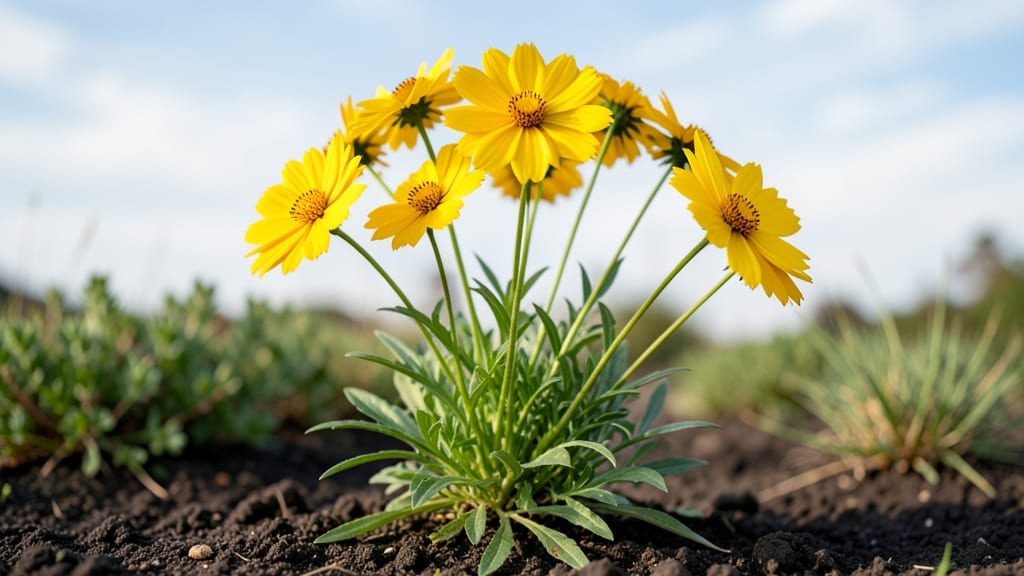
Sun-loving yellow bloom flowers bring instant joy to any garden. 🌻 These perennials aren’t just pretty—they’re tough, reliable, and come back bigger every year, even after tough winters. I’ve tested dozens, and the winners stand out for their color, resilience, and ability to attract pollinators.
The secret to their staying power? Most thrive in full sun with well-drained soil, and they pair beautifully with purples, blues, and deep reds. Coreopsis and black-eyed Susans, for example, create a golden cascade that brightens borders or containers.
Plant them in clusters for maximum impact, and watch bees and butterflies flock to your garden by mid-summer. By late summer, you’ll have blooms that last well into fall, with some varieties even rebounding after light frosts.
The key is deadheading spent flowers to encourage new growth—it’s a 5-minute task that pays off with weeks of color. Perfect for pollinator gardens, cottage-style borders, or even urban containers. Let’s design a space that shines all season long!
The Hidden Triggers Behind Pale Blooms
When your vibrant yellow bloom flowers start looking more like pale, washed-out shades of buttery cream instead of their usual sunny hues, it’s usually a sign that something’s off in their care routine.
Understanding the root causes helps you take quick action to restore their natural glory. Here’s why your flowers might be losing their golden punch—and how to fix it.
A lack of key nutrients in the soil is one of the most common reasons for dull, yellowish blooms. While nitrogen (N) fuels leafy growth, it’s phosphorus (P) and potassium (K) that directly impact flower color vibrancy and longevity.
- Phosphorus (P) deficiency: This nutrient is critical for energy transfer in plants, and without it, flowers may bloom but lack intensity. Look for purplish or yellowish leaves with dark green veins—a classic sign of phosphorus stress. Yellow bloom flowers often appear pale or streaked when phosphorus is low.
- Potassium (K) deficiency: Potassium regulates water movement and enzyme activity. Weak stems, yellowing leaf edges (a condition called scorching), and blunted or uneven blooms are red flags. Potassium also helps flowers retain their pigment, so a deficiency can make yellow hues look faded or sickly.
- Magnesium (Mg) or Iron (Fe) imbalances: These micronutrients are essential for chlorophyll production. If your flowers are yellowing between the veins (a sign of iron deficiency) or developing yellow patches on older leaves (magnesium deficiency), they’re struggling to photosynthesize efficiently, leading to weaker, paler blooms.
Actionable fix: Conduct a soil test to identify deficiencies, then amend the soil with a balanced, slow-release fertilizer (look for a 5-10-10 or 10-20-20 NPK ratio for flowering plants). For quick results, use a liquid bloom booster with added micronutrients like magnesium sulfate (Epsom salt) or chelated iron.
Yellow bloom flowers thrive in full sun, but too much or too little sunlight can turn their petals into a lackluster shade of pale yellow. Here’s how to spot the issue:
- Too much sun: Intense afternoon rays (especially in hot climates) can cause sunburn, leading to bleached or yellowed petals, especially on the edges. The flowers may also appear crispy or wilted prematurely.
- Too little sun: Without adequate light (6+ hours of direct sunlight for most yellow perennials), flowers may bloom sparsely and develop pale, stretched-out petals. Shady conditions also weaken the plant’s ability to produce vibrant pigments.
Actionable fix:
- For too much sun: Provide afternoon shade with a lightweight shade cloth (30-50% coverage) or plant near taller perennials that offer natural dappled shade.
- For too little sun: Gradually acclimate plants to more sunlight over 2-3 weeks, or relocate them to a sunnier spot (but avoid sudden exposure to prevent shock). If space is limited, supplement with a grow light for 4-6 hours daily.
Watering is a delicate balance—too much or too little can stress your plants and dull their flower colors. Yellow bloom flowers are particularly sensitive to moisture extremes.
- Overwatering: Soggy soil deprives roots of oxygen, leading to root rot. This stress causes flowers to yellow prematurely, drop buds, or develop mushy stems. Overwatered plants also struggle to absorb nutrients, exacerbating deficiencies.
- Underwatering: Dry soil forces plants to conserve water, which can stunt growth and cause flowers to wilt and fade to pale yellow. Chronic drought stress also reduces chlorophyll production, making blooms look washed out.
- Inconsistent watering: Fluctuating moisture levels (e.g., deep soaking followed by drought) can cause nutrient leaching and oxidative stress, leading to uneven coloration in petals.
Actionable fix:
- Water deeply but infrequently: Aim for 1-1.5 inches of water per week (including rainfall), delivered at the soil level (not overhead) to encourage deep root growth.
- Improve drainage: Amend heavy clay soil with compost or perlite, and ensure pots have drainage holes. Mulch with straw or wood chips to retain moisture and regulate soil temperature.
- Monitor soil moisture: Stick your finger 1-2 inches into the soil—if it’s dry, water; if it’s damp, wait. Use a moisture meter for precision.
Certain pests don’t just damage leaves—they sap nutrients from your flowers, leading to pale, weak blooms. Keep an eye out for these culprits:
- Aphids: These tiny, sap-sucking insects cluster on new growth and flower buds, injecting toxins that cause yellowing, curled petals and stunted blooms. Heavy infestations can turn entire flower heads into a pale, sticky mess.
- Spider mites: While they target leaves first, severe infestations can spread to flowers, causing yellow stippling or bronze discoloration on petals. They thrive in dry, hot conditions, which also stress plants.
- Japanese beetles: These voracious feeders skeletonize leaves and devour petals, leaving behind ragged, yellowed edges. Their feeding weakens the plant’s ability to produce vibrant blooms.
- Whiteflies: Like aphids, they excrete honeydew, a sticky residue that fosters sooty mold—a black fungus that coats flowers and dulls their color.
Actionable fix:
- Inspect plants daily for pests, especially on the undersides of leaves and flower buds.
- Blast pests off with a strong stream of water or use neem oil spray (mix 1 tbsp neem oil + 1 tsp mild soap + 1 quart water).
- Introduce beneficial insects like ladybugs or lacewings, which prey on aphids and mites.
- For severe infestations, use insecticidal soap or pyrethrin-based sprays (follow label instructions).
Yellow bloom flowers are sun-lovers, but extreme temperatures or humidity swings can throw them off balance. Here’s how climate affects their color:
- Heat stress: Temperatures above 90°F
Reviving wilted blooms naturally
When your vibrant yellow flowers lose their luster and start wilting or turning dull, it’s often a sign of stress—but not all hope is lost! With the right care, you can coax them back to life and even prevent future issues.
Below are practical, step-by-step solutions tailored to common causes, from overwatering to nutrient deficiencies, plus prevention tips to keep your blooms thriving season after season.
Symptoms: Yellowing leaves, soggy soil, or flowers that droop despite water. Why it happens: Too much moisture suffocates roots, leading to rot or fungal issues.
How to Fix: 🔥 Step 1: Pause Watering Immediately
- Let the soil dry out completely before watering again. Stick your finger 2 inches deep—if it’s damp, wait.
🍳 Step 2: Improve Drainage
- Amend heavy or clay soil with perlite, sand, or compost (20% mix) to aerate roots.
- If potted, repot into a container with drainage holes and fresh, well-draining potting mix.
👨🍳 Step 3: Trim Damaged Roots (If Needed)
- Gently remove the plant, rinse roots, and snip away any mushy or blackened sections with sterilized scissors.
- Dust roots with fungicide powder (like copper-based) to prevent rot.
🥘 Step 4: Adjust Watering Habits
- Water deeply but infrequently—aim for 1 inch per week (adjust for climate).
- Water at soil level (not overhead) to avoid fungal spores splashing onto blooms.
💡 Prevention Tip:
- Mulch around the base with wood chips or straw to retain moisture without waterlogging.
- Choose drought-tolerant varieties like black-eyed Susans or coreopsis if your soil drains poorly.
Symptoms: Bleached or crispy yellow edges, wilting in afternoon heat. Why it happens: Intense sun can scorch leaves, while poor heat tolerance causes stress.
How to Fix: 🔥 Step 1: Provide Afternoon Shade
- Use lightweight shade cloth (30–50%) or place a lattice screen to filter direct rays.
- For potted plants, move them to a sheltered spot (e.g., under a patio umbrella).
🍳 Step 2: Boost Soil Moisture Retention
- Mix hydrogel crystals or coco coir into the soil to help retain water during heatwaves.
- Mulch heavily (3–4 inches) to keep roots cool.
👨🍳 Step 3: Hydrate Deeply During Heatwaves
- Water early morning or late evening to reduce evaporation.
- Try the "finger test"—if the top 1–2 inches are bone-dry, it’s time to water.
🥘 Step 4: Fertilize for Heat Tolerance
- Feed with a balanced liquid fertilizer (10-10-10) or seaweed extract to strengthen cell walls.
- Avoid high-nitrogen fertilizers—they promote leafy growth over blooms in heat.
💡 Prevention Tip:
- Choose heat-loving perennials like black-eyed Susans, blanket flowers, or goldenrod for full-sun spots.
- Group plants with similar water needs to avoid over/under-watering conflicts.
Symptoms: Pale yellow leaves (especially older ones), stunted growth, few blooms. Why it happens: Lack of nitrogen, iron, or magnesium weakens plants over time.
How to Fix: 🔥 Step 1: Test Your Soil
- Grab a DIY soil test kit (or send a sample to a local extension office) to identify deficiencies.
- Common culprits: Low nitrogen (yellowing leaves), low iron (chlorosis), or low potassium (weak stems).
🍳 Step 2: Apply Targeted Fertilizers
- For nitrogen: Use alfalfa meal or fish emulsion (follow package rates).
- For iron/magnesium: Sprinkle Epsom salt (1 tbsp per gallon of water) monthly or use chelated iron.
- For blooms: Switch to a phosphorus-rich fertilizer (5-10-5) when buds form.
👨🍳 Step 3: Boost Organic Matter
- Work in compost or worm castings (2–3 inches) around the base to improve nutrient availability.
- Top-dress with kelp meal for micronutrients and stress resistance.
🥘 Step 4: Avoid Over-Fertilizing
- More isn’t better! Over-fertilizing burns roots and attracts pests. Stick to monthly feedings in growing season.
💡 Prevention Tip:
- Rotate crops every 2–3 years to prevent nutrient depletion.
- Use slow-release granules (like Osmocote) for steady nourishment without spikes.
Symptoms: Yellow spots, holes in leaves, sticky residue (aphids), or powdery white film (mildew). Why it happens: Pests sap nutrients, while diseases like powdery mildew block sunlight.
How to Fix: 🔥 Step 1: Identify the Culprit
- Aphids/spider mites? Look for tiny bugs or webbing.
- Fungal issues? Check for white powder (mildew) or black spots (rust).
🍳 Step 2: Remove Infestations
- For pests:
- Blast off with a strong spray of water (disrupts aphids).
- Neem oil spray (1 tsp per quart of water) repels mites and soft-bodied bugs.
- For fungi:
- Baking soda spray (1 tsp baking soda + 1 quart water + drop of soap) for mildew.
- Prune affected leaves and dispose of them in the trash (not compost).
👨🍳 Step 3: Strengthen Plant Immunity
- Garlic or chili pepper spray (blend 1 garlic clove + 1 tbsp cayenne + 1 quart water) deters pests naturally.
- Companion plant with marigolds or basil to repel insects.
🥘 Step 4: Improve Airflow
- Space plants 18–24 inches apart to reduce humidity (which fuels fungi).
- Thin out crowded foliage for better airflow around blooms.
💡 Prevention Tip:
- Inspect plants weekly (especially undersides of leaves) for early signs.
- Rotate garden layouts yearly to disrupt pest life cycles.
- Hormonal boost: Dip cut stems in rooting hormone (like Clonex) if flowers are struggling to rebloom.
- Foliar feed: Mix liquid seaweed with water and spray on leaves for a fast nutrient hit.
- Prune strategically: Cut back 1/3 of leggy stems to encourage bushier, healthier regrowth.
Frequently asked questions
Which yellow bloom flowers attract the most pollinators?
Look for black-eyed Susans and coreopsis—they’re bee and butterfly magnets! These perennials pack a punch with their bright yellow petals and dark centers, which guide pollinators straight to the nectar. Plant them in clusters near your seating area for a lively, buzzing garden experience.
Can I grow yellow bloom flowers in containers?
Marigolds and goldenrod thrive in pots with well-draining soil and 6+ hours of sun daily. Use containers at least 12 inches deep for perennials, and add a slow-release fertilizer to keep blooms vibrant. Just ensure pots have drainage holes to prevent root rot.
How do I make my yellow flowers last longer?
Deadhead spent blooms regularly to encourage new growth, and trim stems at an angle before arranging them in cool water with flower food. For container plants, prune back 1/3 of the plant after the first flush of blooms to trigger a second wave of vibrant flowers by late summer.
What’s the best way to pair yellow bloom flowers with other colors?
Try contrasting deep purple (like salvia) or cool blues (like delphinium) for a striking look. For a soft contrast, pair with cream or blush pink flowers like peonies. In containers, mix yellow coreopsis with rust-colored sedum for a warm, autumnal vibe.
Are yellow bloom flowers deer-resistant?
Some varieties like blanket flowers and goldenrod are less appealing to deer, but they’re not completely deer-proof. For extra protection, add deer-resistant plants like lavender or Russian sage nearby, or use a light sprinkler system to deter browsing.