
Blooming
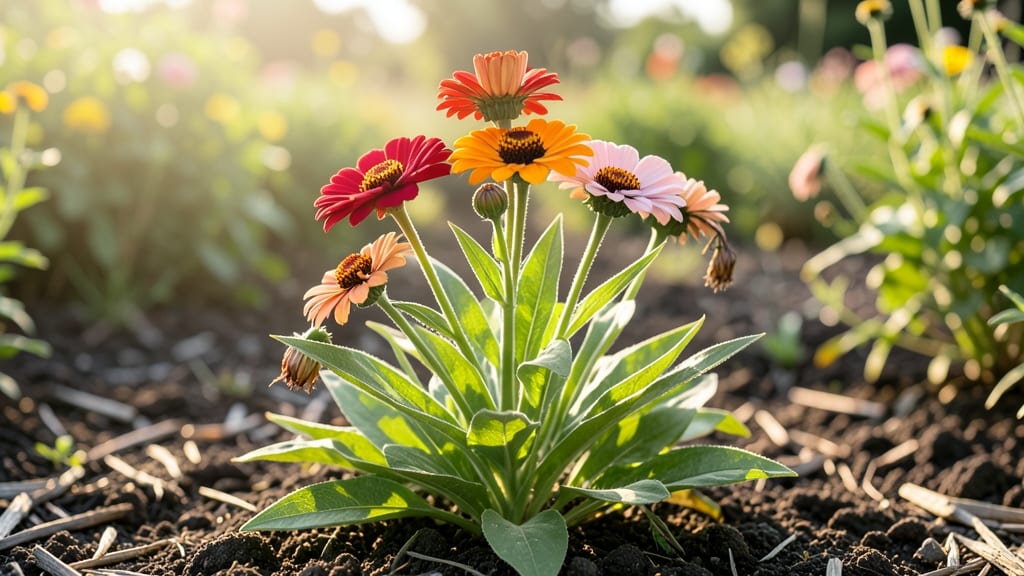
Understanding zinnia bloom stages turns guessing into gardening confidence. 🌻 These vibrant flowers follow five distinct phases—from tight buds to seed heads—each revealing what your plants truly need.
I’ve watched zinnias go from shy green knobs to bold blooms that last all summer, and the secret lies in recognizing each stage’s cues. The first stage is all about bud formation, where those fuzzy green heads swell over 7-10 days.
Too much shade or uneven watering here stunts growth—zinnias crave 6+ hours of sun and consistent moisture. Next comes the full bloom, where petals unfurl in 3-5 days, showcasing their signature colors. This is peak showtime, but also when deadheading (snipping spent blooms) keeps new flowers coming.
After blooming, zinnias shift to seed development—a phase many gardeners miss. Those dried seed heads aren’t just decorative; they signal it’s time to cut back or let them self-seed for next year.
The final stages, fading and dormancy, teach patience—zinnias often rebloom from the base if given a little care. Pair them with marigolds or nasturtiums to deter pests and extend their glory. Master these stages, and your zinnias will bloom nonstop from June to frost. The key?
Watch, prune, and repeat—no fancy tools needed.
📚 In This Guide
- What you need
- Instructions
- Tips and common mistakes
- Wrapping up and next steps
What you need
- ● Zinnia seeds or seedlings: Choose Zinnia elegans varieties (e.g., 'Benary’s Giant,' 'Crystal,' or 'Profusion'). Start with 5–10 plants for a small garden or 20+ for a full bed.
- ● Well-draining potting mix or garden soil: 1–2 cubic yards (for in-ground planting) or 10–15 gallons (for containers). Amend with 2–3 inches of compost for nutrients.
- ● Balanced fertilizer (10-10-10 or 5-10-10): 1–2 pounds per 100 sq ft of garden. Opt for organic options like fish emulsion or bone meal for slower-release nutrition.
- ● Watering can or hose with a gentle spray nozzle: Ensure even moisture without damaging buds.
- ● Pruning shears or sharp scissors: 1 pair (sterilize with rubbing alcohol between cuts to prevent disease).
- ● Digital camera or smartphone: Capture bud, open, and deadhead stages for your visual guide. Use natural light for accurate colors!
- ● Notebook or garden journal: Sketch or note bloom timelines, weather conditions, and growth patterns.
- ● Measuring tape or ruler: Track stem height and flower diameter (e.g., buds typically 1–2 inches before opening).
- ● Stake or tomato cage: 1–2 per plant for tall varieties (e.g., 'Benary’s Giant') to prevent flopping.
- ● Mulch (straw or shredded leaves): 2–3 inches to retain moisture and suppress weeds.
- ● Slow-release fertilizer spikes: 1–2 per plant for low-maintenance nutrition.
- ● Garden gloves: Protect your hands while deadheading or handling thorny stems.
- ● Dried flower preservative (for crafts): If you plan to save blooms for arrangements or crafts.
Understanding zinnia bloom stages: a visual guide
Here's how to recognize each stage of your zinnias' life cycle—so you can extend their blooming season effortlessly.
🌱 Step 1: Identify the Bud Stage
Zinnia buds start as small, tightly packed green knobs at the top of stems. They feel firm to the touch and resemble miniature closed fists. At this stage, buds are about ½ inch wide and gradually swell as they mature. The outer layers may develop a slight pink or red tint, depending on the variety, before fully coloring.
This is the perfect time to watch for pests like aphids, which love tender buds. A quick spray of water can dislodge them before they cause damage. Buds typically take 7-14 days to open once they reach this stage, depending on temperature and sunlight. If your zinnias are growing in full sun and 65-75°F conditions, they'll progress faster.
☀️ Step 2: Recognize the Open Bloom Stage
When zinnias reach full bloom, their petals unfurl dramatically into 2-4 inch wide flowers, revealing their vibrant centers. The outer petals often open first, creating a layered effect that showcases the variety's unique color pattern. This stage is when zinnias are most photogenic—perfect for cutting or enjoying in the garden.
Open blooms last 3-5 days before they begin to wilt. You'll notice the petals drooping slightly at the edges first, followed by the center fading. This is your cue to deadhead spent blooms promptly. Use clean, sharp scissors to cut just above a set of healthy leaves or a side bud to encourage new growth.
✂️ Step 3: Master the Deadhead Cycle
Deadheading is the key to prolonging your zinnias' blooming season. Look for flowers where the petals have fully fallen or turned brown, leaving only the seed head behind. These spent blooms sap energy from the plant, so removing them redirects nutrients to new buds. Pinch or snip them off at the base of the flower stem, being careful not to damage the main stem.
After deadheading, inspect the plant for any remaining buds that might have escaped your notice. You'll often find 1-3 new buds forming near the base of the stem, ready to open in 5-7 days. This cycle of blooming and deadheading can continue until the first frost, giving you 8-12 weeks of continuous color from a single planting.
🌿 Step 4: Monitor the Seed Head Stage
If you allow zinnias to go to seed, the spent blooms transform into 1-2 inch tall seed heads that resemble tiny dandelions. These dry, papery structures contain seeds that can self-sow for next year's garden. While seed heads are lovely in dried arrangements, they signal the end of the plant's current blooming cycle.
To encourage more flowers, remove seed heads as soon as they form. However, if you're interested in saving seeds, leave a few heads on the plant until they turn tan and brittle. Collect seeds by gently rubbing the head over a paper bag, then store them in a cool, dry place. This stage also marks the perfect time to cut back stems by ⅓ to stimulate fresh growth from the base.
Tips & tricks for perfect zinnia bloom management
These practical insights will help you maximize your zinnias' beauty and longevity—no green thumb required.
Pest Prevention: I can't stress this enough—aphids adore those tender buds in Step 1. The moment you spot them, give your zinnias a quick shower with water from a spray bottle. This gentle approach dislodges pests without harming the plants. I've found that doing this every 3-4 days during the bud stage keeps my zinnias thriving, especially when temperatures hover around that ideal 65-75°F range mentioned in the instructions.
Deadheading Timing: In Step 3, when you're removing spent blooms, aim to do this within 24 hours of noticing the petals have fully fallen. The longer you wait, the more energy the plant wastes trying to sustain those dead flowers. I've seen firsthand how plants that get regular deadheading produce 1-3 new buds within just 5-7 days—it's like hitting the reset button for continuous blooms.
Seed Head Strategy: If you're saving seeds, let those seed heads turn completely tan and brittle before collecting. This usually takes about 7-10 days after the petals fall. For the rest of your plants, don't hesitate to remove seed heads immediately—they're like energy vampires for your zinnias. I've extended my blooming season by weeks simply by staying on top of this.
Growth Stimulation: When you cut back stems by ⅓ in the seed head stage, you're not just tidying up—you're giving your zinnias a fresh start. This pruning technique encourages new growth from the base, which can produce another round of buds ready to bloom in about 3-4 weeks. It's like giving your plants a haircut that actually works in their favor.
Pro Tips for Zinnia Bloom Stages
- These practical insights will help you maximize your zinnias' beauty and longevity—no green thumb required.
- Pest Prevention: I can't stress this enough—aphids adore those tender buds in Step 1.
- Deadheading Timing: In Step 3, when you're removing spent blooms, aim to do this within 24 hours of noticing the petals have fully fallen.
Frequently asked questions
Got questions about zinnia bloom stages?
You’re not alone! Here are answers to the most common queries—from timing to troubleshooting—so you can keep your zinnias thriving and blooming all season.
How long does it take for zinnia buds to open after planting?
Most zinnia varieties take 60–75 days from seed to first bloom, but this depends on your climate and growing conditions. If planted from seedlings, buds typically open in 4–6 weeks. For faster blooms, opt for heat-tolerant varieties like 'Benary’s Giant' or 'Profusion,' which mature quicker in warm weather.
Why are my zinnia buds drying up before opening?
Bud blight (often caused by Alternaria or Botrytis fungi) or powdery mildew can turn buds brown and crispy. To prevent this:
For stubborn cases, apply a neem oil fungicide (follow label instructions). Deadhead spent blooms daily (or every other day in hot weather) to encourage new flowers. Use clean pruners or pinch buds off by hand—just above a set of healthy leaves. Pro tip: If you’re saving seeds, leave 1–2 blooms per stem to mature; they’ll turn brown and papery before splitting open. Zinnias love full sun (6+ hours daily), but they’ll still bloom in partial shade (4–6 hours) if you:
Expect smaller, fewer blooms in shade, but they’ll still add color! If zinnias struggle in extreme heat (90°F+), try these heat-tolerant alternatives with similar vibrancy:
All three are annuals like zinnias but often more resilient!
When and how should I deadhead zinnias for continuous blooms?
Can zinnias bloom in partial shade, or do they need full sun?
What’s the best alternative if my zinnias keep dying back in heat?
Wrapping up and next steps
Understanding the zinnia bloom stages transforms your garden into a vibrant, ever-changing masterpiece! From the first bud to the final deadhead, each phase is a chance to nurture beauty and extend your flowers' life.
With the right care—like pruning, watering, and choosing the perfect spot—your zinnias will reward you with bold colors and long-lasting blooms.
Ready to level up your gardening game? 🌸 Grab your pruners, pick a sunny spot, and start planting today—your future blooms will thank you! For even more tips, check out our guide on zinnia varieties to find your perfect match.