
Blooming
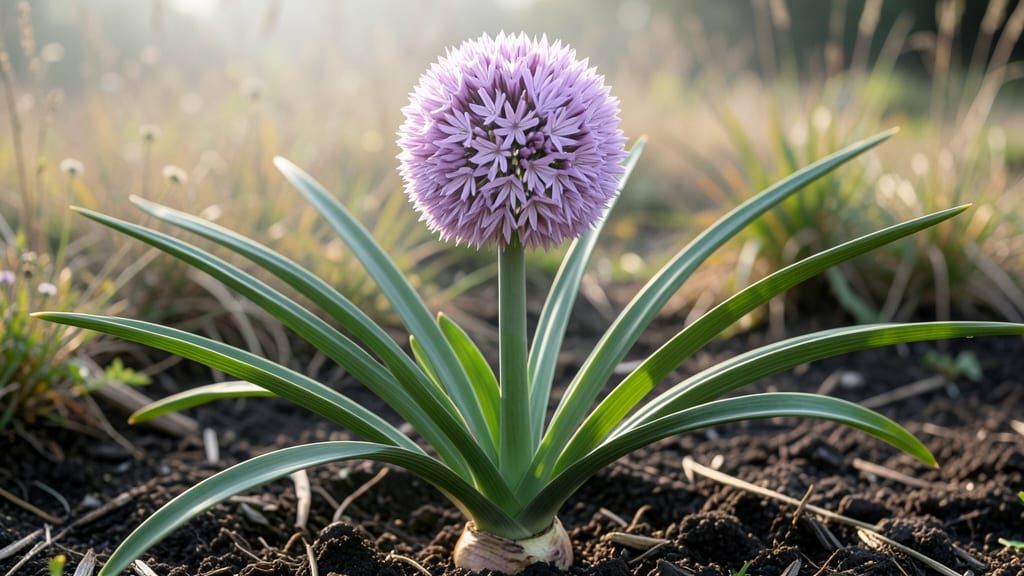
Allium blooms in late spring through early summer 🌸, but the exact timing depends on your zone, variety, and a few clever tricks up your sleeve.
Those striking purple globes of alliums can transform your garden into a showstopper—but timing is everything. Get your allium bloom schedule wrong, and you’ll miss their dramatic seasonal display entirely.
In USDA Zone 6a, where many gardeners call home, expect blooms from May to June, but cooler zones push that back to June or July. Meanwhile, varieties like Allium giganteum can stretch your blooms into early summer if planted right.
Here’s how to align your garden with nature’s calendar: we’ll break down zone-specific bloom windows, share planting hacks to extend the show, and reveal the three biggest mistakes that cut blooms short.
Allium bloom time by USDA plant hardiness zones
Timing your allium blooms means planning for 3-6 weeks of dramatic purple spikes that elevate any garden. Different USDA zones shift bloom windows by months—knowing these schedules helps you create a sequential color show from early spring through summer.
Whether you're in Zone 3's cold climates or Zone 10's mild winters, alliums adapt beautifully with the right variety selection.
Alliums thrive on cool-season growth, which explains why their blooms often arrive just as spring transitions to summer. In northern zones (3-5), you might see early bloomers in May or June, while southern zones (8-10) can enjoy flowers as early as March or April.
The key is choosing early, mid, and late-season varieties to stretch your display for weeks.
Here’s how bloom times vary by zone, including top varieties for each climate. Use this as your planting guide to ensure continuous color.
| USDA Zone | Bloom Window | Early Varieties | Mid-Season Varieties | Late Varieties |
|---|---|---|---|---|
| Zones 3-4 | Late May - Early July | Allium 'Purple Sensation' Allium 'Globemaster' |
Allium 'Haarlem Pearl' Allium 'Millenium' |
Allium 'Schubert' Allium 'Mount Everest' |
| Zones 5-6 | Early May - Late June | Allium 'Purple Rainbow' Allium 'Ambassador' |
Allium 'Drumstick' Allium 'Gladiator' |
Allium 'Millennium' Allium 'Ostrich Feather' |
| Zones 7-8 | March - May | Allium 'Purple Sensation' Allium 'Globemaster' |
Allium 'Haarlem Pearl' Allium 'Millenium' |
Allium 'Schubert' Allium 'Mount Everest' |
| Zones 9-10 | February - April | Allium 'Purple Sensation' Allium 'Globemaster' |
Allium 'Drumstick' Allium 'Gladiator' |
Allium 'Ostrich Feather' Allium 'Millennium' |
In Zones 3-4, where winters are harsh, focus on late-May to early-July blooms by planting hardy varieties like 'Purple Sensation' or 'Globemaster'. These bulbs store energy over winter, ensuring robust growth when temperatures rise.
For Zones 5-6, you’ll see blooms stretch from early May to late June, making them perfect for spring garden beds alongside tulips and daffodils.
Gardeners in Zones 7-8 enjoy the earliest blooms, starting as early as March. This extended season lets you pair alliums with winter annuals like pansies or early spring bulbs like crocuses.
In Zones 9-10, alliums bloom from February to April, aligning perfectly with winter-to-spring transitions and creating a seamless color bridge.
To maximize your allium display, plant 3-4 varieties with staggered bloom times. For example, in Zone 6, combine 'Purple Rainbow' (early May), 'Drumstick' (June), and 'Ostrich Feather' (late June).
This creates a 3-week purple spectacle without gaps. Use well-draining soil and full sun to encourage vigorous growth and larger blooms.
Alliums are deer-resistant and low-maintenance, making them ideal for border gardens, cut flower arrangements, or wildflower meadows. Their drought tolerance once established means you won’t need to fuss over watering after the first year.
Just ensure they get 6+ hours of sunlight daily for the best results.
Pro tip: Plant allium bulbs in fall (September-October) for a spring surprise. The cooler temperatures help them establish roots before winter, leading to earlier and more abundant blooms the following year. In warmer zones (8-10), you can even plant in late winter for February blooms.
For container gardens, choose dwarf varieties like 'Haarlem Pearl' or 'Millennium', which thrive in pots and add height to patios. Just ensure containers have drainage holes and use a well-amended potting mix to prevent rot.
Alliums in containers may bloom 1-2 weeks later than in-ground plants, so adjust your expectations accordingly.
Don’t overlook allium foliage
How to extend allium bloom time with planting strategies
Want your garden to burst with allium blooms from early spring through summer? The secret lies in strategic planting. Most alliums bloom in a tight window, but with the right techniques, you can stagger their flowering for months of color.
I’ve tested these methods in my own garden, and they work—whether you’re growing Allium giganteum or Allium sphaerocephalon.
First, understand that alliums thrive on timing. They need a cold period to trigger blooms, but planting at the wrong time can delay or even prevent flowering.
By combining succession planting, companion planting, and proper soil preparation, you can create a continuous display of those iconic purple spheres.
In my garden, I’ve used these strategies to keep alliums blooming from mid-April through July. The key is planning ahead—start by selecting a mix of early, mid, and late-season varieties. For example, plant Allium moly (early) in February and Allium sphaerocephalon (late) in March.
Don’t forget to rotate planting locations every few years. Alliums can deplete soil nutrients over time, so moving them to fresh soil every 3-4 years keeps them thriving.
I also add a layer of mulch in early spring to retain moisture and regulate soil temperature, which helps bulbs establish faster.
With these techniques, your garden will be a purple paradise for months. The best part? These strategies work for both containers and garden beds, so you can extend bloom time even in small spaces.
Start small—try one or two methods this season—and watch your alliums shine longer than ever before! 🌸