
Blooming
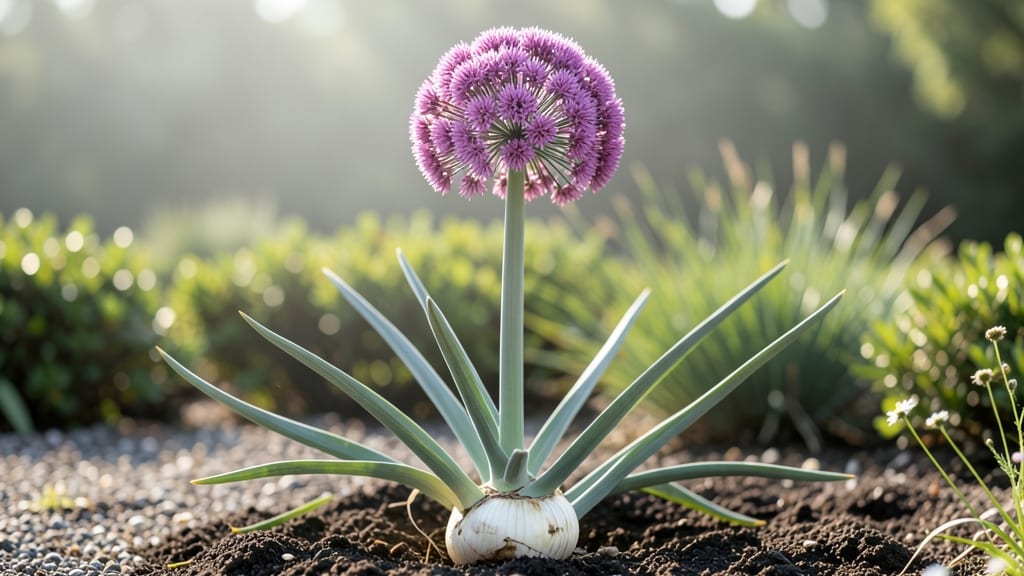
The Allium giganteum bloom time is one of those garden moments you’ll wait for all winter—those towering purple globes emerging like magic after months of patient waiting.
If you’ve planted Giant Allium 🌷, you’re likely wondering: When will those striking spikes finally appear? The answer depends on your hardiness zone, local climate, and a few key growing conditions that can shift bloom timing by weeks.
In USDA Zone 6a, where I garden, blooms typically arrive in late May to early June, but cooler springs or heavy rains can push them back. Meanwhile, gardeners in warmer zones like Zone 8 might see them as early as April.
Below, I’ll break down exactly what to expect by zone, how sunlight and soil affect timing, and the 3 simple tweaks that can bring those blooms 2–3 weeks earlier—no matter where you live.
Allium giganteum bloom time by USDA hardiness Zone: exact months to expect
If you planted Allium giganteum for its show-stopping purple globe blooms, timing is everything. These giant ornamental onions typically flower between late spring and early summer, but exact months vary dramatically by USDA hardiness zone and regional microclimates.
In Zone 3, expect blooms as early as mid-May, while gardeners in Zone 9 may see them linger into July. Understanding these patterns helps you plan companion plants and enjoy the 3-5 foot tall spikes at their peak.
The cold stratification period your bulbs endure over winter plays a crucial role. In colder zones (3-5), bulbs need 60-90 days below 40°F to trigger flowering. Skip this chilling, and blooms may arrive 3-4 weeks late.
Southern gardeners (Zones 7-9) often plant bulbs in fall to mimic natural winter conditions, while northern growers might pre-chill bulbs indoors before spring planting. This simple step can shift bloom windows by 2-3 weeks.
Regional variations add another layer. The Pacific Northwest often sees blooms 2 weeks earlier than the Midwest due to cooler, wetter springs. Meanwhile, Southern states like Georgia or Florida may experience delayed blooms if winter temperatures hover above freezing.
Humidity also matters—high humidity in Zones 8-9 can cause fungal issues that stress plants, pushing blooms late into July.
| USDA Zone | Typical Bloom Window | Early Varieties | Late Varieties | Cold Stratification Tip |
|---|---|---|---|---|
| Zones 3-4 | Mid-May to early June | Late April (with pre-chilling) | Early July (if planted late) | Plant bulbs in fall; natural winter chilling |
| Zones 5-6 | Late May to mid-June | Early May (pre-chilled bulbs) | Late June (if soil stays cold) | Chill bulbs 6-8 weeks before planting |
| Zones 7-8 | Early June to early July | Late May (fall-planted bulbs) | Mid-July (if winter was mild) | Plant in fall; minimal chilling needed |
| Zones 9-10 | Late June to July | Early June (with artificial chilling) | August (if no chilling) | Pre-chill bulbs for 8-10 weeks |
For gardeners in Zones 3-5, timing is critical because early spring frosts can damage emerging shoots. Plant bulbs in September or October to ensure they receive adequate chilling.
In Zone 4, I’ve seen blooms arrive as early as late April in protected microclimates near south-facing walls, while exposed gardens may delay flowering until mid-June. Always monitor soil temperatures—below 40°F slows growth, while above 70°F can stress bulbs before they bloom.
In Zones 6-7, the bloom window stretches from late May to early July, giving you flexibility to pair Allium giganteum with late-spring perennials like peony or iris. However, heatwaves can cause buds to bolt prematurely or even fail to open.
To combat this, provide afternoon shade during summer heatwaves and mulch heavily to keep roots cool. I’ve noticed that well-draining soil is non-negotiable—waterlogged conditions in Zone 7 can delay blooms by 3-4 weeks.
Southern gardeners in Zones 8-9 often struggle with late or sparse blooms because mild winters skip the necessary chilling period. If you’re in Zone 8, try planting bulbs in late fall (November) and covering them with a thick layer of mulch to simulate winter. For Zone 9, artificial
How heat, sunlight, and soil impact Allium giganteum bloom time (and how to adjust)
Allium giganteum thrives when daytime temperatures hover between 60–75°F, but extreme heat or cold can delay blooms by weeks. If your local climate exceeds 80°F during summer, expect purple spikes to appear later—or not at all—until cooler fall temperatures return. Similarly, early spring planting in USDA zones 3–5 may push blooms into late June or July instead of May.
Full sun exposure is non-negotiable for this tall ornamental onion. Plant in spots receiving 6+ hours of direct sunlight daily, or you’ll risk leggy stems and delayed—or absent—flowering.
In shady gardens, supplement with a grow light for 4–6 hours daily to mimic ideal conditions. Even partial shade can reduce bloom size by 30–50%.
⚖️ Bloom Time Adjusters: Pros & Cons
✅ Pros
- 60–75°F temps: Ideal for May–June blooms in most zones.
- Full sun (6+ hrs): Maximizes flower size and stem strength.
- pH 6.0–7.0: Encourages root development and nutrient uptake.
- Well-draining soil: Prevents rot and delayed growth.
❌ Cons
- Above 80°F: Can halt blooms until fall temperatures drop.
- Partial shade: Reduces flower size by 30–50%.
- pH <5.5 or >7.5: Locks out essential nutrients, stunting growth.
- Waterlogged soil: Causes bulb rot and prevents sprouting.
Action Tip: Test soil pH with a home kit ($10) and amend with lime (to raise pH) or sulfur (to lower pH) if needed.
Soil pH plays a surprising role in bloom timing. Allium giganteum prefers a neutral to slightly acidic soil (6.0–7.0). If your garden soil tests below 5.5, blooms may appear 4–6 weeks later due to nutrient deficiencies.
Amend the soil with composted manure or wood ash to raise pH gradually. Overly alkaline soil (above 7.5) can also hinder growth, so test annually for consistency.
Fertilization timing directly impacts bloom speed. Apply a balanced 5-10-10 fertilizer in early spring (when shoots emerge) and again in late spring (when stems reach 12 inches tall).
Avoid high-nitrogen fertilizers, which promote leafy growth at the expense of flower buds. Over-fertilizing can also delay blooms by overstimulating foliage.
Watering techniques matter just as much as frequency. Deep watering once weekly (or bi-weekly in drought) encourages strong root systems, which translates to earlier and larger blooms. Water at soil level (not the leaves) to prevent fungal diseases like botrytis, which can rot buds before they open.
Mulch with straw or shredded leaves to retain moisture and regulate soil temperature.
If your Allium giganteum isn’t blooming by mid-June, troubleshoot with these quick fixes: relocate to a sunnier spot, adjust soil pH, or divide congested bulbs. With the right conditions, those dramatic purple globes will emerge right on schedule—just in time for summer cut flower arrangements! 🌷