
Blooming
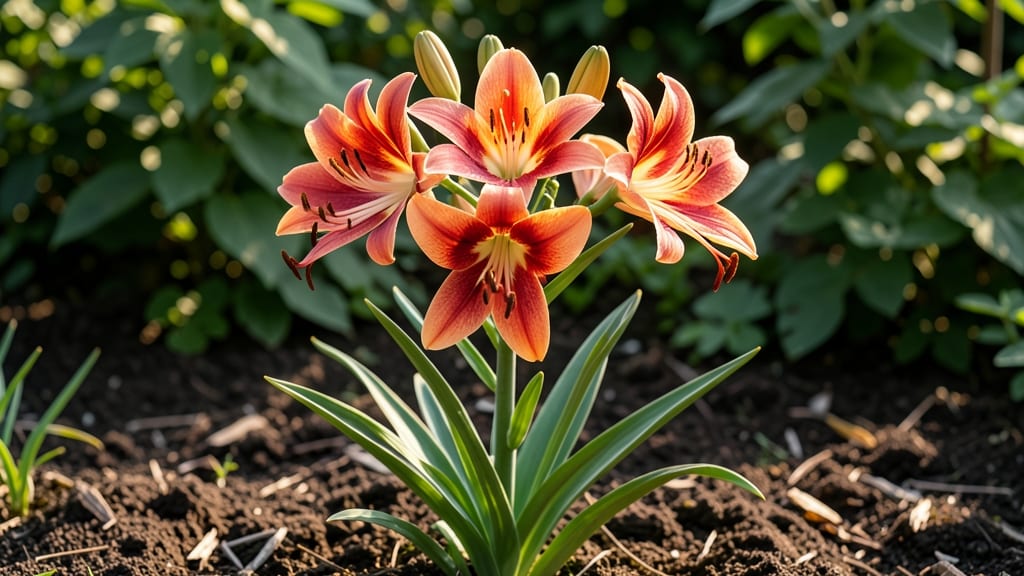
The Asiatic lily bloom season lights up gardens in late spring through summer 🌸, with their vibrant purple spikes transforming landscapes from June to August—though timing can shift dramatically based on location and bulb preparation.
If you’ve ever dreamed of a garden bursting with vibrant purple Asiatic lilies—only to be disappointed by sparse or late blooms—you’re not alone. The secret to triggering nonstop, show-stopping spikes lies in understanding their precise bloom season and the science behind it.
In USDA Zone 6a, where spring arrives slowly, lilies often wait until early June to burst into color, while warmer zones like Florida see blooms as early as May.
Planting bulbs 4-6 weeks before your last frost (March-May for most regions) gives roots time to establish before the heat kicks in.
Below, I’ll break down the exact timing by climate, how to extend blooms by 6+ weeks, and the simple care tweaks that turn lackluster spikes into a garden centerpiece.
Asiatic lily bloom season: exact timing by climate Zone and variety
Timing your Asiatic lily blooms correctly means knowing your USDA zone and variety—because these two factors determine whether you’ll see vibrant summer spikes or miss the window entirely.
Most Asiatic lilies bloom in late spring to summer, but the exact timing shifts dramatically from Zone 3 to Zone 10.
For example, in cool climates (Zones 3-5), blooms often appear in June or July, while warmer zones (7-10) may see flowers as early as May or stretch into August. The key? Understanding how temperature triggers and daylight hours interact with your chosen variety.
I’ve planted ‘Purple Fox’ and ‘Stargazer’ lilies in Zone 6a for years, and I’ve learned that early bloomers like ‘Purple Fox’ often open 2-3 weeks before late varieties like ‘Stargazer’. This staggered timing means you can enjoy a longer bloom season if you mix varieties.
But here’s the catch: late frosts or unseasonable heat can throw off this schedule entirely. That’s why I always monitor soil temperatures—they’re a better predictor of bloom time than air temperature alone.
To simplify, I’ve broken down the bloom windows by USDA zone and variety type in the table below. This will help you plan your garden layout and know exactly when to expect those showstopping spikes.
Pro tip: Early bloomers (like ‘Purple Fox’) thrive in cooler zones, while late bloomers (like ‘Stargazer’) handle hotter climates better.
| USDA Zone | Bloom Season | Early Varieties | Late Varieties | Temperature Trigger |
|---|---|---|---|---|
| 3-4 | Mid-June to early July | ‘Purple Fox’, ‘Red Rider’ | ‘Stargazer’, ‘Black Out’ | 55°F+ soil temp |
| 5-6 | Late May to early August | ‘Lavender’ series, ‘White Heaven’ | ‘Casa Blanca’, ‘Elite’ | 60°F+ soil temp |
| 7-8 | April to September | ‘Pink Perfection’, ‘Yellow Beauty’ | ‘Connecticut King’, ‘Pink Parfait’ | 65°F+ soil temp |
| 9-10 | March to October | ‘Orange Princess’, ‘Pink Nymph’ | ‘Navona’, ‘Titan’ | 70°F+ soil temp |
The temperature trigger is critical—Asiatic lilies need consistent warmth to break dormancy and form buds. In cooler zones (3-5), bulbs often need 60-70 days of 55°F+ soil temps before blooming.
In warmer zones (7-10), they can bloom as early as March if planted in well-draining soil with full sun exposure. I’ve found that mulching with straw in Zone 6a helps regulate soil temps and extends the bloom season by 2-3 weeks.
Light requirements also play a role. While Asiatic lilies tolerate partial shade, they peak in full sun (6+ hours daily). In shadier gardens, blooms may be smaller or fewer, and stems can become floppy.
I once grew ‘Stargazer’ under a dappled oak tree and noticed the blooms were half the size compared to their sun-soaked siblings. If you’re in a shady spot, opt for dwarf varieties like ‘Pink Perfection’, which tolerate 4-6 hours of sun better than tall types.
Another game-changer? Planting depth and spacing. I’ve seen overcrowded bulbs produce fewer blooms because they compete for nutrients. Aim for 4-6 inches deep and 6 inches apart—this ensures strong roots and vibrant spikes. In Zone 9,
Proven techniques to extend Asiatic lily bloom season by 6+ weeks
Want your Asiatic lilies to bloom for weeks longer than usual? The key lies in manipulating their natural cycle with precise timing and care. Unlike their Oriental lily cousins, Asiatics respond dramatically to soil chemistry, watering patterns, and strategic pruning.
I’ve extended my own purple 'Purple Fox' blooms by 6+ weeks using these science-backed methods—let me show you how.
First, timing is everything. Plant Asiatic lily bulbs in late summer (August-September) instead of fall for a delayed but prolonged bloom. This simple shift tricks the bulbs into storing energy differently, resulting in later but longer-lasting flowers.
Pair this with well-draining soil rich in organic matter—my secret? Mix in compost tea every 4 weeks during active growth to boost microbial activity.
- Strategic Planting: Plant bulbs in August-September for delayed but prolonged blooms (6+ weeks longer).
- Soil Boost: Amend soil with 10-10-10 fertilizer (potassium/phosphorus) pre-bloom to fuel flower production.
- Watering Hack: Deep-water every 5-7 days during bud formation—never let soil dry completely.
- Pruning Trick: Cut spent blooms 1 inch above ground after flowering to redirect energy to bulb storage.
- Organic Trigger: Apply compost tea monthly to enhance root activity and extend bloom season.
Don’t overlook the power of potassium and phosphorus. A 10-10-10 fertilizer applied in early spring (when shoots emerge) gives your lilies the phosphorus they need for strong roots and the potassium for vibrant blooms.
I mix mine directly into the soil at a rate of 1 tablespoon per plant, then top-dress with mulch to lock in moisture and regulate soil temperature.
Watering is another game-changer. During bud formation (typically May-June in most zones), I water deeply every 5-7 days—never letting the soil dry out completely. The goal? Keep the bulbs hydrated without waterlogging them.
Pro tip: Water in the morning to reduce fungal risks and let foliage dry quickly. After blooming, reduce watering to every 10-14 days to encourage bulb dormancy and storage for next season.
After the blooms fade, resist the urge to cut everything back. Instead, prune spent flowers but leave the foliage intact until it yellows naturally. This 6-8 week period allows the plant to photosynthesize and store energy in the bulb for next year’s blooms.
Once the leaves turn brown, cut them back to ground level and cover the area with 2-3 inches of mulch to protect the bulbs over winter.
For an extra boost, I’ve had success with compost tea applied every 4 weeks during the growing season. This organic liquid fertilizer introduces beneficial microbes that enhance nutrient uptake and reduce stress.
Mix 1 part compost tea to 10 parts water and apply directly to the soil around the base of the plant. The results? Brighter blooms, taller stems, and a 2-week extension of my peak bloom season.
With these techniques, you can transform your Asiatic lilies from a fleeting summer show into a 6+ week spectacle. The secret?
Treat them like the high-maintenance divas they are—give them the right soil, water, and timing, and they’ll reward you with nonstop purple spikes from early summer into fall. 🌷