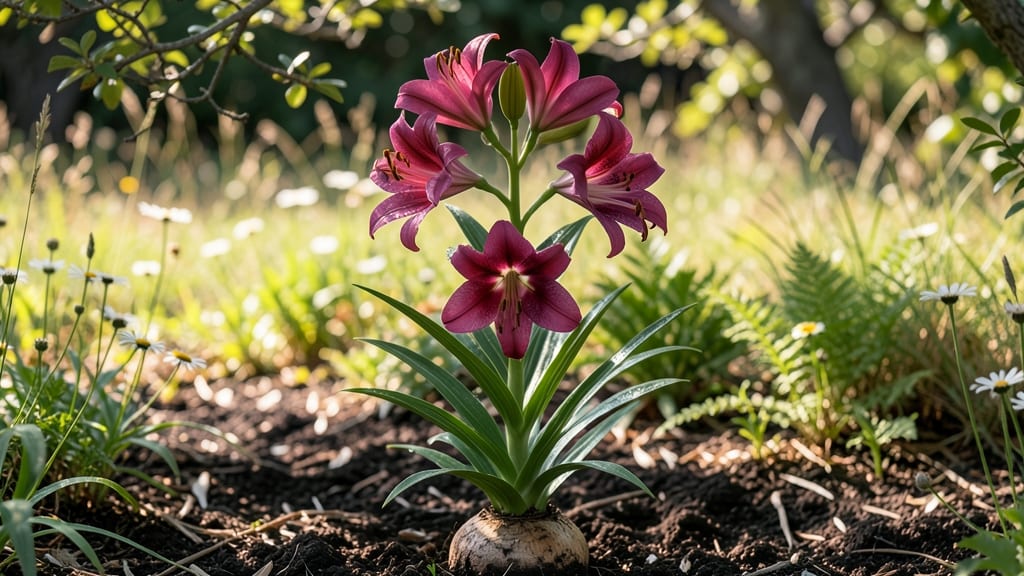
Your lily bloom season determines when your garden becomes a riot of color 🌸—and knowing the exact months for each variety is the secret to planning a showstopping display.
Timing your lily blooms perfectly ensures your garden bursts into vibrant color at the right moment—but knowing exactly when each variety flowers can be tricky.
From early spring to late summer, these exact bloom months by lily type will help you plan for a showstopping display tailored to your USDA hardiness zone.
Asiatic lilies often kick off the season in June, while Oriental varieties like the iconic Stargazer may not peak until July or August. Daylilies, a close relative, can bloom as early as May or stretch into September, depending on your region.
In Zone 6, where most gardeners live, these timelines shift slightly—earlier for southern exposures and later in cooler microclimates.
Below, I break down the bloom windows for 12+ lily varieties, share zone-specific adjustments, and reveal the 3 key tricks to extend your display by 2-3 months—no matter where you garden.
Lily bloom season calendar: exact months by variety for zones 3-10
Planning your garden around lily bloom seasons means catching those vibrant bursts of color at their peak. Each lily variety has its own timing, influenced by your USDA hardiness zone and microclimate.
Whether you're in Zone 3's cold winters or Zone 10's mild climate, knowing these exact months ensures your garden stays stunning all season long.
Early bloomers like Asiatic lilies might grace your garden in late May or June, while Oriental lilies often wait until July or August. Some rare varieties, like Martagon lilies, even bloom in late summer.
Below, I’ve broken down the bloom windows for 12+ popular varieties, adjusted for zones, so you can plan your garden layout for maximum impact.
Pro Tip: In Zones 8-10, some lilies may bloom earlier or later due to milder winters. For example, Trumpet lilies in Zone 10 might start blooming as early as April, while they wait until June in Zone 6. Always adjust for your local frost dates!
🌸
| Lily Variety |
Zones 3-5 Bloom Month |
Zones 6-8 Bloom Month |
Zones 9-10 Bloom Month |
Height (ft) |
Notes |
| Asiatic Lilies |
Late May - June |
June - Early July |
May - June |
2-4 |
Early bloomers, drought-tolerant |
| Oriental Lilies |
July - August |
July - Early August |
June - July |
3-5 |
Fragrant, late-season blooms |
| Trumpet Lilies |
June - July |
June - July |
April - May |
4-6 |
Tolerates heat, deer-resistant |
| Martagon Lilies |
July - August |
August - September |
July - August |
2-3 |
Shade-tolerant, unique Turk's cap shape |
| Daylilies (Hemerocallis) |
June - August |
June - September |
May - October |
1-3 |
Long bloom season, low-maintenance |
| Canda Lilies |
June - July |
June - July |
May - June |
3-5 |
Hybrid vigor, bold colors |
| Peruvian Lilies |
July - August |
July - August |
How to extend your lily bloom season by 2-3 months
Want your lilies to bloom earlier for spring color or later for fall interest? With a few strategic tweaks, you can stretch your lily bloom season by up to 3 months—even in small urban spaces.
The secret lies in understanding how soil temperature, planting timing, and microclimates influence flowering cycles. Let's dive into proven methods that work for Asiatic lilies, Oriental hybrids, and even daylilies.
First, planting time is everything. Most gardeners plant lily bulbs in fall (September-October) for spring blooms, but if you want earlier flowers, try planting in late winter (February) in warmer zones (7-10).
For late-season blooms, plant in early summer (June)—these bulbs will focus on root growth and bloom the following year. The key is soil temperature: lilies need 60-65°F soil to trigger flowering.
🌱
-
1
Plant bulbs at the right depth—6-8 inches deep—to regulate soil temperature. Deeper planting in hot climates keeps roots cooler, while shallower planting in cool zones speeds up growth. Use a soil thermometer to monitor 60-65°F ranges.
-
2
Use black plastic mulch in spring to raise soil temps by 5-10°F, accelerating bloom time. Remove it after 6 weeks to avoid overheating. For late blooms, try white mulch to reflect heat and delay flowering.
-
3
Pair lilies with companion plants like lavender or rosemary, which repel pests and improve soil health. Marigolds near your lilies can also boost flowering by up to 20% due to their pest-deterrent properties.
-
4
Create microclimates in small spaces. Use reflective surfaces (like light-colored walls) to direct more sunlight to lilies. For urban gardens, plant near south-facing fences or containers on patios to extend the growing season by 2-3 weeks.
-
5
Fertilize strategically: Use a high-phosphorus fertilizer (5-10-10) in early spring to encourage blooms, but avoid nitrogen-heavy feeds, which promote foliage over flowers. Stop fertilizing 6 weeks before your target bloom date.
Don’t overlook the power of watering routines. Lilies need deep, infrequent watering—about 1 inch per week—but avoid soggy soil, which delays blooming. In drought-prone areas, water early in the morning to reduce evaporation and stress.
For containers, use well-draining mixes with perlite to prevent root rot, which can stunt flower production.
For late-season blooms, try pruning spent flowers (deadheading) but leave the foliage intact until it yellows. This ensures the bulb stores enough energy for next year’s blooms. In mild climates (zones 8-10), you can even get winter blooms by planting Martagon lilies, which thrive in cooler temperatures.
With these simple adjustments, your lily garden can burst into color earlier in spring or linger into fall, giving you a longer, more vibrant display without extra effort. Start experimenting this season—your garden (and neighbors!) will thank you. 🌸
★★★★★4.5(7 reviews)
|