
Flowers
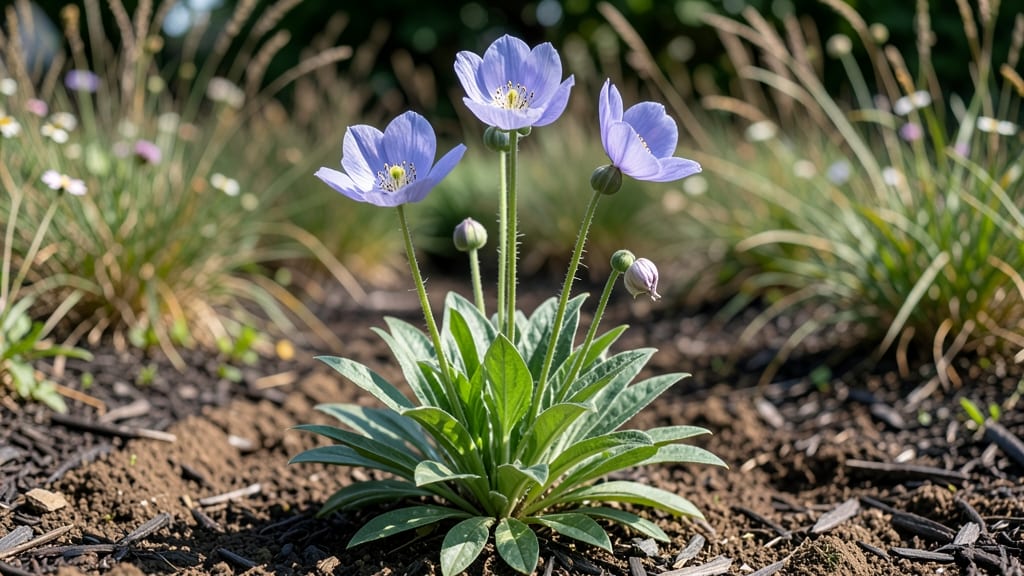
The balloon flower bloom time depends on your USDA zone, but most gardeners see those iconic purple spikes from late June through September — a window you can stretch with a few simple tricks.
If you’ve ever wondered why your 🌸 Balloon Flower blooms later than expected—or not at all—understanding its USDA zone-specific bloom window is the key to unlocking vibrant purple spikes every season.
In Zone 6a (like much of the Midwest), expect buds to form by early summer, with peak blooms arriving in July. But in warmer zones like 7-9, the show starts earlier—sometimes as soon as May—while cooler zones (3-5) may delay blooms until August.
Below, I’ll break down how to time your plantings, adjust care for longer blooms, and even pair Balloon Flowers with companions that extend their season—so you’re not left waiting for those cheerful spikes.
Balloon flower bloom time by USDA hardiness zone: when to expect purple spikes
Timing your balloon flower (Platycodon grandiflorus) blooms correctly means knowing your USDA hardiness zone. These stunning purple spikes thrive in zones 3 through 9, but their bloom windows shift dramatically depending on where you garden.
In cooler zones, expect early summer blooms, while warmer regions may see fall reblooming—if you create the right conditions.
Understanding these bloom windows helps you plan companion plantings and pruning schedules. For example, pairing balloon flowers with shasta daisies (which bloom slightly later) creates a continuous summer display.
The key is recognizing that bud formation typically occurs 4-8 weeks before blooms appear—so timing matters for both garden planning and troubleshooting.
Microclimates—like urban heat islands or mountain slopes—can shift bloom times by 2-4 weeks. For instance, a zone 5 garden near a lake may bloom 1 week earlier than one in a dry inland valley. Pay attention to these local factors to fine-tune your expectations.
Here’s a zone-by-zone breakdown of when to expect those iconic balloon-shaped buds to open into vibrant blooms:
In zones 3-4, balloon flowers are late bloomers, often waiting until late June when soil temperatures rise above 60°F. These northern gardens benefit from black plastic mulch or row covers to warm the soil and coax earlier blooms.
Without these tricks, you might miss the peak summer display entirely.
Zones 5-6 offer the best two-season blooms: a primary wave in June-July followed by a rebloom in late summer if you deadhead regularly. This is where most gardeners see the most dramatic color spikes, especially with purple and white varieties. The secret? Balanced fertilizer (like 5-10-10) applied in early June boosts flower production.
Gardeners in zones 7-8 enjoy the longest bloom season, stretching from early June to October. Here, fall reblooms are more reliable because cooler nights in September-October trigger new buds. However, humidity and fungal risks increase—so space plants 12-18 inches apart for airflow and avoid overhead watering.
If you’re in zone 9, you’re in luck: balloon flowers bloom twice a year, with spring blooms in April-May and fall blooms in October-November. These areas can even support year-round growth if planted in partial shade during peak summer heat.
Just watch for bolt-resistant varieties like 'Fuji Pink', which handle heat better.
Pro tip: Track your local last frost date and count 75-90 days forward to predict bud formation. For example, if your last frost is April 15, expect buds by July 1 in zone 5.
This timing helps you plan companion plants like catmint (which blooms alongside) or salvia (which follows).
Remember, microclimates matter. A south-facing wall can push blooms 2 weeks earlier, while a shady corner may delay them. Use these zone guidelines as a starting point, then adjust based on your garden’s unique conditions.
With the right care, your balloon flowers will reward you with months of purple magic—not just a fleeting summer show.
How to extend balloon flower bloom time with pruning and care
Balloon flowers (Platycodon grandiflorus) typically bloom for 4-6 weeks in ideal conditions, but with the right care, you can stretch that into 8-10 weeks of vibrant purple spikes.
The secret lies in strategic pruning, soil health, and consistent watering—all tailored to your plant's natural growth cycle. I’ve found that deadheading spent blooms and adjusting soil pH can make a dramatic difference in reblooming.
Start by understanding your balloon flower’s growth habit. These perennials produce basal rosettes from which flower stalks emerge. If you notice fewer blooms or late flowering, it’s often a sign of nutrient stress or overcrowded roots.
The good news? Simple adjustments can revive even the most sluggish plants. Let’s dive into the step-by-step techniques that have worked for my garden.
Deadheading is the first step to extending bloom time. As soon as a flower fades, snip the stalk just above the first set of leaves using clean, sharp pruners. This removes spent blooms and signals the plant to redirect energy toward new flower buds. I’ve seen second blooms appear within 3-4 weeks after consistent deadheading. For heavier bloomers, repeat this process every 7-10 days during peak bloom season.
Watering plays a critical role in bloom longevity. Balloon flowers need 1-1.5 inches of water weekly, but deep watering (soaking the root zone) is more effective than frequent shallow watering. Morning watering is ideal—it reduces fungal risks and ensures roots absorb moisture before the heat of the day.
If your plant wilts or drops buds, it’s often a sign of underwatering or poor drainage. Amend heavy clay soil with compost to improve aeration.
Seasonal pruning can revitalize your balloon flower. In early spring, trim back last year’s dead stalks to encourage fresh growth. If your plant looks overgrown or leggy, cut back 1/3 of the foliage in late summer to stimulate compact growth and more robust blooms next season.
Avoid heavy pruning in fall or winter, as the plant needs energy to store for spring growth.
Troubleshooting late or sparse blooms? Check these three common culprits:
- Shade: Balloon flowers need 6+ hours of sun—move yours to a sunnier spot if blooms are sparse.
- Over-fertilizing: Too much nitrogen = leafy growth, fewer blooms.
Use a balanced 5-10-10 fertilizer sparingly. 3. Crowded roots: Divide clumps every 3-4 years to prevent competition for nutrients. With these adjustments, you’ll enjoy prolonged, show-stopping blooms from late spring to early fall!