
Blooming
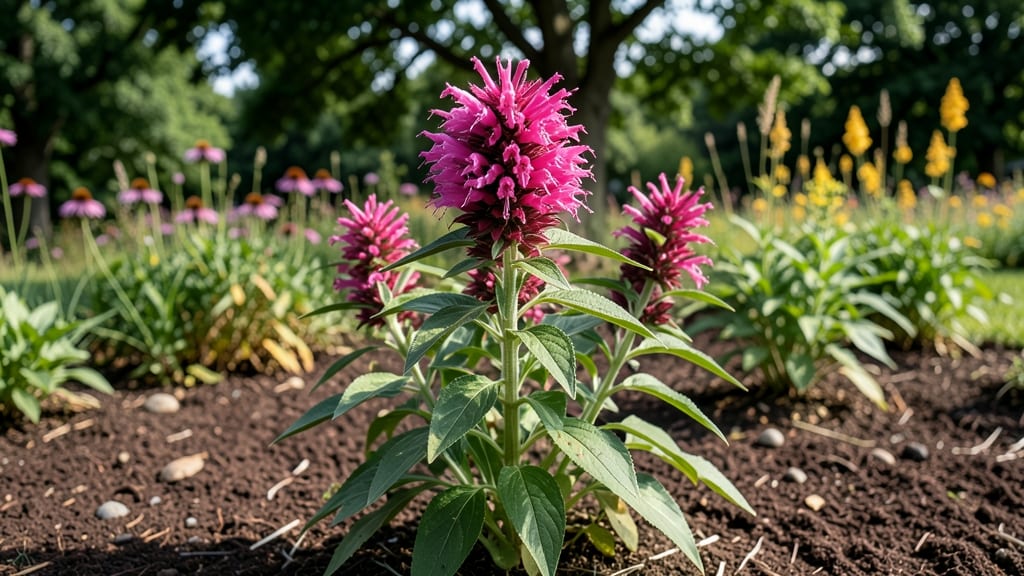
The bee balm bloom time stretches from early summer through late summer in most climates, offering months of vibrant color and pollinator magnetism 🐝.
If you’ve ever dreamed of a vibrant pollinator garden bursting with color, timing your bee balm (Monarda) blooms correctly is the secret weapon—miss the window, and you’ll lose out on months of hummingbird visits and fragrant summer displays.
In USDA Zone 6, expect blooms to kick off in July, peaking through August, while coastal regions may see earlier starts. The right mix of sunlight, soil, and care can shift that timeline by weeks, so let’s break down how to get the most out of your plants.
You’ll discover the ideal planting times, pruning tricks to extend blooms, and how to choose varieties that keep flowering until frost. Ready to turn your garden into a buzzing paradise?
Bee balm bloom time by USDA hardiness Zones: when to expect peak color
Timing your bee balm (Monarda) blooms is like planning a summer party—you want everything to arrive at once for maximum impact.
In my Zone 6 garden, I’ve learned that peak color often arrives in July and August, but your mileage may vary based on your hardiness zone and microclimate. Coastal regions tend to bloom 2-3 weeks earlier than inland areas due to milder temperatures and higher humidity.
For gardeners in Zones 3-5, cooler springs can delay blooms until mid-July, while those in Zones 8-10 might enjoy flowers as early as June or even into September. Understanding these variations helps you choose the right bee balm varieties and plan your garden layout for continuous color.
🌱
| USDA Zone | Early Bloom Window | Peak Bloom | Late Bloom Window | Best Varieties |
|---|---|---|---|---|
| 3-5 | Mid-July | July-August | Early September | 'Marshall's Delight', 'Purple Haze' |
| 6-7 | Early July | July-August | Late September | 'Jacob Cline', 'Croftway Pink' |
| 8-9 | June | June-September | October | 'Raspberry Wine', 'Blue Stocking' |
| 10 | May-June | June-November | December | 'Magenta', 'Grandiflora' |
| Note: Coastal areas bloom 2-3 weeks earlier than inland regions. | ||||
In Zones 3-5, where winters are harsh, bee balm often waits until mid-July to burst into color. I’ve noticed that 'Marshall’s Delight' thrives in these cooler climates, producing deep magenta blooms that attract hummingbirds by the dozens.
The key is to plant in full sun and amend the soil with compost to encourage vigorous growth despite shorter growing seasons.
Gardeners in Zones 6-7 enjoy the longest bloom periods, with flowers often lasting from early July through September. My 'Jacob Cline' plants, a red bee balm variety, consistently produce blooms that stay vibrant well into fall.
For extended color, I deadhead spent blooms every 2-3 weeks to encourage new growth.
🌻
Warmer climates in Zones 8-10 allow bee balm to bloom as early as June and sometimes continue into October. In these regions, I’ve had success with 'Raspberry Wine', which produces dark pink flowers that contrast beautifully with purple coneflowers.
The extended bloom time makes these zones ideal for creating pollinator-friendly landscapes that support bees and butterflies year-round.
For coastal gardens, where temperatures are moderated by ocean breezes, blooms typically arrive 2-3 weeks earlier than inland areas. In my Zone 7 coastal garden, I’ve seen 'Croftway Pink' start flowering in late June instead of July.
This earlier bloom time can be a game-changer for gardeners looking to extend their seasonal displays.
If you’re planning your garden around bee balm blooms, consider pairing early varieties like 'Marshall’s Delight' with late bloomers like 'Grandiflora'. This strategy ensures your garden stays vibrant from June through October, providing continuous nectar for pollinators and visual interest for you.
🐝
One final tip: Soil moisture plays a critical role in bloom timing. In dry years, I’ve noticed that bee balm may delay blooming until it receives adequate water. Always aim for 1-2 inches of water per week, especially during the budding phase.
With the right care, your bee balm will reward you with months of fragrant, colorful blooms that bring your garden to life.
How to extend bee balm bloom time: pruning, deadheading, and seasonal care
Bee balm (Monarda) is a pollinator magnet, but its blooms can fade faster than you’d like if you don’t intervene. The key to longer bloom cycles lies in strategic pruning and deadheading—techniques that trick your plants into producing new flower buds instead of focusing energy on seed production.
I’ve learned the hard way that skipping these steps means shorter summer displays and fewer hummingbird visits. Let’s fix that!
Timing matters most. Prune too early, and you’ll cut off potential blooms; wait too long, and you’ll miss the chance for second flushes of flowers. Deadheading isn’t just about looks—it’s about redirecting plant energy to extend the season.
Even my ‘Jacob Cline’ bee balm (a late bloomer) rewards this care with weeks of extra color if I stay on top of it. Let’s break down the exact steps to maximize your bee balm’s performance.
- 1. First Prune: Cut back 1/3 of stems after first bloom (late June–early July) to encourage second flush of flowers.
- 2. Deadhead Daily: Snip spent blooms with clean bypass pruners to prevent seed heads and promote new buds.
- 3. Soil Boost: Add compost or 5-10-10 fertilizer in early summer to fuel regrowth after pruning.
- 4. Late-Season Cutback: Trim all stems to 4–6 inches in early fall to prevent winter dieback and encourage bushier growth next year.
- 5. Mulch Thickly: Apply 3-inch layer of mulch in late fall to insulate roots and preserve energy for spring blooms.
Start with the first prune right after your bee balm’s initial blooms fade. This isn’t about shaping—it’s about stimulating regrowth. Use sharp pruners to cut stems just above a leaf node (where new growth emerges).
I like to do this on a dry morning when the plants are least stressed. The goal? To remove spent flower clusters while leaving enough foliage to photosynthesize and fuel new blooms.
Deadheading is your daily bloom-time hack. Every time you see a wilted flower head, snip it off with your pruners. This prevents the plant from wasting energy on seed production and redirects it to new flower buds.
Pro tip: Wear gloves—bee balm’s square stems can be prickly! I deadhead mine every 2–3 days during peak bloom to keep the show going until early fall.
Don’t forget the soil amendments! Bee balm thrives in rich, moist soil, but it needs a nutrient boost after heavy pruning. Mix in compost or a balanced fertilizer (like 5-10-10) in early summer‘Marshall’s Delight’ rebound with vibrant new growth in just 2–3 weeks after this treatment.
As summer winds down, switch to fall prep. In early October, give your bee balm a hard cutback—trim all stems to 4–6 inches tall. This might look drastic, but it prevents winter dieback and encourages stronger roots.
Add a 3-inch layer of mulch (like shredded leaves or straw) to insulate the crown and keep it cozy through winter. This simple step ensures your bee balm will burst into bloom again next spring.
With these techniques, my bee balm patches now bloom from June through September—a full 3-month extension compared to my first attempts. The secret? Consistency.
Prune, deadhead, feed, and mulch at the right times, and your bee balm will reward you with endless color and pollinator traffic. Happy gardening! 🌿