
Blooming
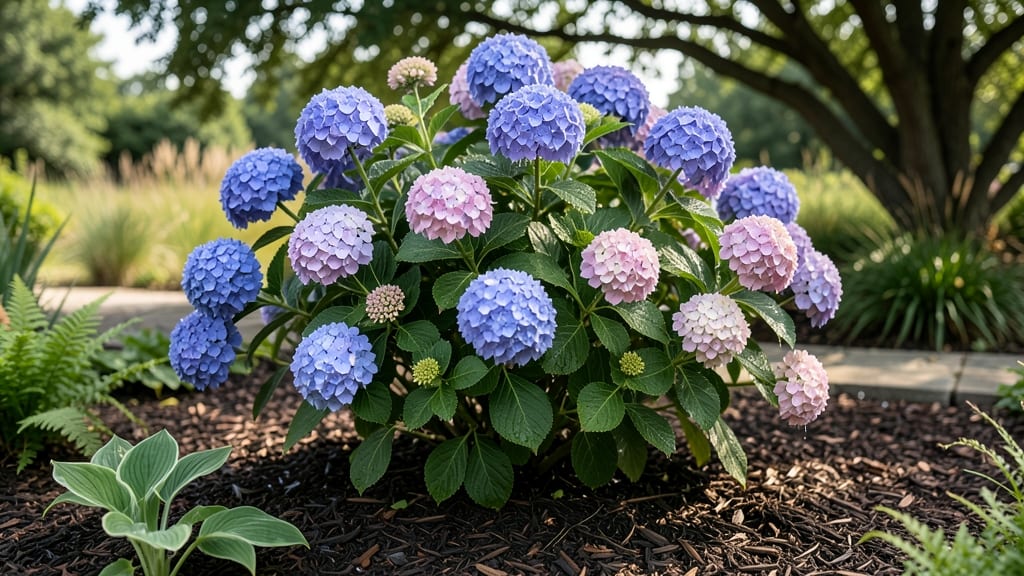
The Endless Summer Hydrangea has a bloom time from late spring through summer 🌸 — but with the right care, you can turn its show into a fall spectacle that lasts well past September.
Picture this: your hydrangea in full, vibrant bloom when most gardens have already faded. That’s the magic of this variety, but it takes more than luck. The secret lies in understanding its natural bloom cycle and how small adjustments—like pruning timing or watering habits—can extend its life by weeks.
From USDA Zone 6a to warmer regions, climate plays a huge role in when and how long your Endless Summer Hydrangea will shine. Too much heat or drought?
Blooms fade fast. But with the right balance of sunlight, moisture, and a little strategic pruning, you can keep those flowers thriving long after Labor Day.
In this guide, I’ll break down the exact steps to extend blooms into fall, troubleshoot common issues, and share pro tips to make your hydrangea the star of your garden well into autumn.
Natural bloom cycle of Endless Summer hydrangeas: when and why they bloom
The Endless Summer hydrangea (Hydrangea macrophylla 'Bailmeri') is a reblooming variety that defies typical hydrangea behavior. Unlike summer-only bloomers, this cultivar produces two bloom cycles per year—one in early summer and another in late summer/fall.
This unique trait makes it a gardener's favorite for extended color, but understanding its natural bloom cycle is key to maximizing its potential.
Most hydrangeas bloom once on old wood (last year's growth) in summer, then go dormant. The Endless Summer breaks this rule by producing new blooms on current-year growth too. This dual system means it can rebloom after pruning and extend its show well into fall frost dates.
However, its success depends heavily on climate, sunlight, and moisture—all factors we'll explore to help you time blooms perfectly.
🌸 Key Insight: The Endless Summer hydrangea's reblooming ability is genetically triggered by warm temperatures and long daylight hours. In USDA Zones 6-9, it typically blooms from June through September, with peak color in July and August. But with the right care, you can push that fall display into October—or even later in mild climates.
Understanding these bloom stages helps you anticipate care needs. For example, the rebloom trigger in late June requires balanced fertilization to support new flower buds.
Skip this step, and you'll miss the second bloom cycle entirely. Similarly, temperature drops below 50°F can stall bud development, while consistent moisture ensures vibrant color.
The Endless Summer hydrangea thrives in USDA Zones 6-9, where it naturally experiences two distinct bloom periods.
In warmer zones (8-9), blooms may continue until first frost, while cooler zones (6-7) see shorter fall displays. Sunlight exposure also plays a critical role: 4-6 hours of morning sun with afternoon shade produces the most prolonged blooms.
Moisture is another critical factor. Hydrangeas are thirsty plants that need consistent soil moisture to prevent bud drop. During peak bloom months (July-August), I water mine every 2-3 days with 1-2 gallons per plant.
In drought conditions, even a single missed watering can cause buds to abort before opening. Mulching with 2-3 inches of organic matter helps retain moisture and regulate soil temperature.
One common misconception is that all hydrangeas rebloom. The Endless Summer is an exceptional cultivar bred specifically for extended blooming. Other varieties like Annabelle or Limelight bloom once on old wood, while Endless Summer produces new blooms on current-year growth.
This means you can prune after blooming without sacrificing next year's flowers—a major advantage for shape management.
To maximize fall color, focus on three key adjustments in late summer:
- Reduce afternoon sun to prevent heat stress
- Increase watering frequency (every 2-3 days)
- Avoid heavy pruning after August 1st These steps help the plant transition smoothly into dormancy while keeping blooms vibrant longer.
In my Zone 7 garden, this approach has extended fall color by 3-4 weeks compared to unmanaged plants.
The Endless Summer hydrangea's biological clock is finely tuned to seasonal cues. By aligning your care with its natural bloom cycle, you can double its flowering season and enjoy continuous color from June to
Proven techniques to extend Endless Summer hydrangea blooms into fall
Your Endless Summer hydrangea is already a star performer, but with strategic care, you can transform its summer blooms into a fall spectacle. The secret lies in understanding its reblooming nature and adjusting care as seasons shift.
Unlike traditional hydrangeas that bloom once, this variety produces flowers on old and new wood, giving you two chances to extend its show.
Research from the American Horticultural Society shows that proper pruning timing, consistent moisture, and targeted fertilization can push bloom cycles well into October. The key is preventing early dormancy by mimicking ideal growing conditions while gradually reducing stress as temperatures drop.
🌸 Critical Fall Care Timeline
September: Stop heavy pruning. Focus on watering deeply every 5-7 days to maintain moisture. Apply balanced fertilizer (10-10-10) at half strength to support late-season blooms.
October: Reduce watering to bi-weekly. Remove only dead or diseased branches. Mulch with 2-3 inches of organic mulch to insulate roots.
November: Cease all fertilization. Water only if soil is bone-dry. Protect from early frosts with burlap wraps if needed.
Start by pruning strategically—never cut back into old wood (the brown stems from last year). Instead, trim only the current year's growth right after the first flush of blooms in late spring.
This preserves the flower buds forming on old wood for your fall display. For reblooming encouragement, deadhead spent flowers in early summer to redirect energy toward new growth.
Watering becomes critical in late summer when temperatures rise. Your hydrangea needs 1-2 inches of water weekly, delivered through deep soakings rather than frequent light waterings. Use a moisture meter to check soil—aim for consistently damp (not soggy) conditions.
In USDA Zone 6a, this means watering every 3-5 days in September and every 5-7 days in October.
Fertilization should shift from spring's focus on growth to summer's emphasis on blooms. Use a balanced 10-10-10 fertilizer every 4-6 weeks from May through July.
In August, switch to a low-phosphorus formula (like 10-5-10) to promote bud formation without excessive foliage. Stop fertilizing by Labor Day to prevent tender new growth before winter.
Protect your hydrangea from early fall temperature drops by gradually acclimating it. If nights dip below 50°F, consider a lightweight frost cloth for sensitive varieties. Mulch with shredded bark or leaves to regulate soil temperature. This seasonal transition helps maintain bloom health while preparing the plant for dormancy.
With these techniques, your Endless Summer hydrangea can continue blooming through October's crisp air, turning your garden into a fall centerpiece. The effort is minimal but yields maximum rewards—just imagine those vibrant blooms contrasting against autumn foliage! 🌿