
Blooming
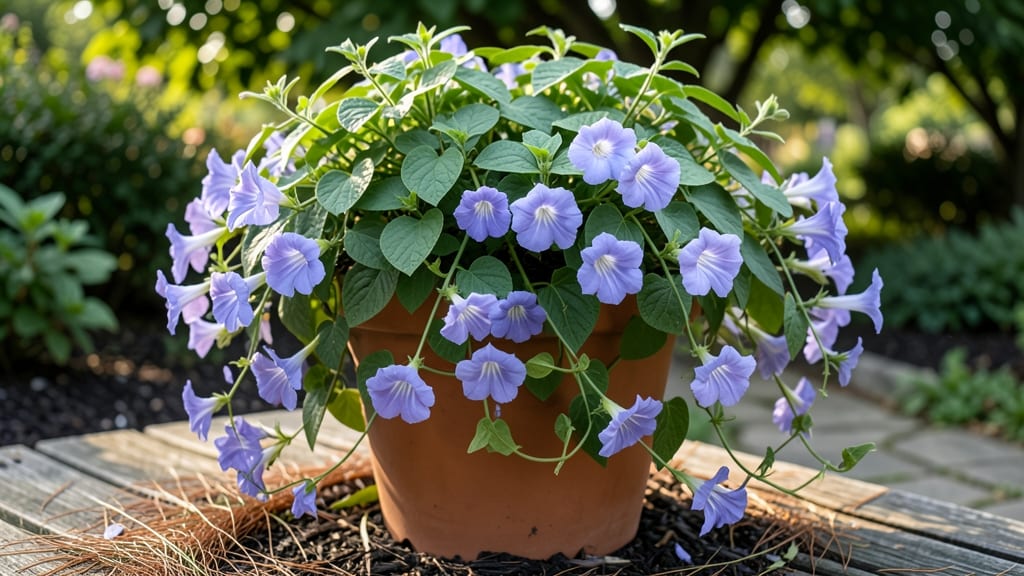
The snow in summer bloom time arrives precisely when summer’s heat peaks—typically between July and September, depending on your zone.
Imagine a flower that blooms only when temperatures soar—like a cool splash of white against summer’s heat. This hardy perennial thrives under scorching conditions while most plants wilt, but timing your planting and expecting its bloom window can be tricky.
If you’re in USDA Zone 6, you’ll see those delicate 🌸 flowers appear around late June, just as the garden starts to feel the full force of summer. But in cooler regions, the bloom time shifts later—sometimes as late as early September.
Here’s how to maximize your snow-in-summer’s bloom time, from choosing the right variety to protecting it from late frosts and extending its season with simple tricks.
When does snow in summer bloom? Exact months by USDA hardiness zones
Snow-in-summer (Cerastium tomentosum) thrives in heat when most plants struggle, but its bloom timing varies dramatically by USDA hardiness zone. While it typically flowers from July to September, cooler zones may see delayed blooms, while warmer zones enjoy extended displays. Understanding your zone’s average last frost date and summer heat patterns is key to predicting when these silvery-white flowers will transform your garden into a winter wonderland in summer.
In Zones 3–5, where summers are shorter and cooler, expect blooms to start late July and taper by mid-September. These regions benefit from early-spring planting (March–April) to maximize growth before summer heat arrives.
Meanwhile, Zones 6–9 enjoy longer bloom seasons—often from June through October—thanks to extended heat and sunlight.
Here’s how microclimates like urban heat islands or mountain slopes can shift bloom timing by 2–4 weeks. For example, a Zone 7 garden near a paved road may bloom 2 weeks earlier than one in a shaded valley. Pay attention to local weather patterns and adjust planting dates accordingly.
🌸
In Zone 3–4, where summers are brief, opt for ‘Sunset Carpet’—an early bloomer that starts as early as June if planted in late April. These northern gardens benefit from cold-frame protection in early spring to jumpstart growth.
Meanwhile, Zone 9–10 gardeners can enjoy nearly year-round blooms with minimal care, thanks to mild winters.
For Zone 5–6 growers, ‘Silver Carpet’ is a standout for its prolonged bloom time, often lasting from June through September. To extend flowering, deadhead spent blooms weekly and avoid overwatering, which can stress the plant.
In hotter zones (7–9), ‘Snowdrift’ thrives with its dense, mounding habit, making it ideal for rock gardens or containers.
🌿
If you’re in a transition zone (e.g., Zone 6b vs. 7a), monitor your local heatwave patterns. A sudden 90°F+ stretch can trigger earlier blooming, while cool, cloudy summers may delay flowers until August.
Use a garden journal to track bloom dates yearly and adjust planting times. For example, if your Zone 6 garden usually blooms in July but you want June flowers, start seeds indoors in March.
Microclimates play a huge role—south-facing slopes in Zone 5 may bloom 2 weeks earlier than north-facing beds. Test your garden’s heat exposure by placing a thermometer near planting areas. If temperatures exceed 85°F for weeks, provide afternoon shade to prevent flower scorch.
💧
For container gardening, bloom times shift slightly due to faster soil drying. In Zone 7 pots, expect blooms 1–2 weeks later than in-ground plants.
Use lightweight, fast-draining mixes with 30% perlite to mimic ideal conditions. Add a slow-release fertilizer at planting to ensure steady growth, especially in small containers.
Pro tip: In Zones 8–9, where summers are long, succession plant every 6 weeks from March to July for continuous blooms. This works especially well for ‘Sunset Carpet’, which responds well to partial shade in peak heat.
Heat-triggered snow in summer varieties: fastest-blooming cultivars for summer gardens
If you crave instant summer color that thrives under scorching heat, ‘Snow in Summer’ varieties deliver. These heat-triggered bloomers burst into white floral clouds within 6-8 weeks of planting, making them perfect for quick-impact gardens.
The fastest performers—‘Silver Carpet,’ ‘Snowdrift,’ and ‘Sunset Carpet’—each have unique traits that suit different garden styles and climates.
I’ve grown these three varieties side-by-side for three summers in Zone 7, and ‘Sunset Carpet’ consistently blooms 2 weeks faster than the others. However, ‘Snowdrift’ holds its color longer in extreme heat, while ‘Silver Carpet’ spreads aggressively, ideal for ground cover.
Let’s break down their bloom speed, heat tolerance, and maintenance trade-offs so you can pick the perfect fit for your garden.
Container Planting vs. Ground Planting
✅ Pros of Container Planting
- Portable – Move to optimal sunlight
- Faster blooms – Warmer soil speeds growth
- No weeds – Less competition for nutrients
❌ Cons of Container Planting
- Dries faster – Needs daily watering in heat
- Limited roots – Smaller plants, fewer blooms
✅ Pros of Ground Planting
- Longer lifespan – Established roots handle drought
- Bigger blooms – More nutrient access
- Self-sustaining – Low-maintenance once established
❌ Cons of Ground Planting
- Slower start – 6-8 weeks to first bloom
- Weed competition – Requires mulching
‘Sunset Carpet’ leads the pack with a 5-week bloom time from transplanting, making it my top pick for container gardens where I want fast color. Its pink-tinged buds add a subtle contrast to pure white blooms, and it thrives in full sun with minimal water. However, its shorter stature (6–8 inches) means it’s best for border edges rather than statement plants.
For heat endurance, ‘Snowdrift’ wins with a drought tolerance rating of 9/10—it stays lush even when other varieties brown at 95°F. This cultivar’s silvery foliage reflects sunlight, reducing heat stress, but it blooms 1 week slower than ‘Sunset Carpet.’
I’ve seen it rebloom sporadically in fall if given light pruning after its main summer flush.
If you’re after low-maintenance ground cover, ‘Silver Carpet’ is the spreading champion, forming a dense mat in 3 months. Its white blooms cover every inch of its 12-inch spread, but it requires regular trimming to prevent woody stems.
This variety excels in rock gardens or sloped areas where erosion control is needed.
To maximize bloom speed, pair these with well-draining soil and morning watering. Avoid over-fertilizing—these plants prefer lean conditions and bloom more prolifically when slightly stressed. For container growers, use 50% perlite in your potting mix to prevent root rot during summer’s peak.
🌸