
Blooming
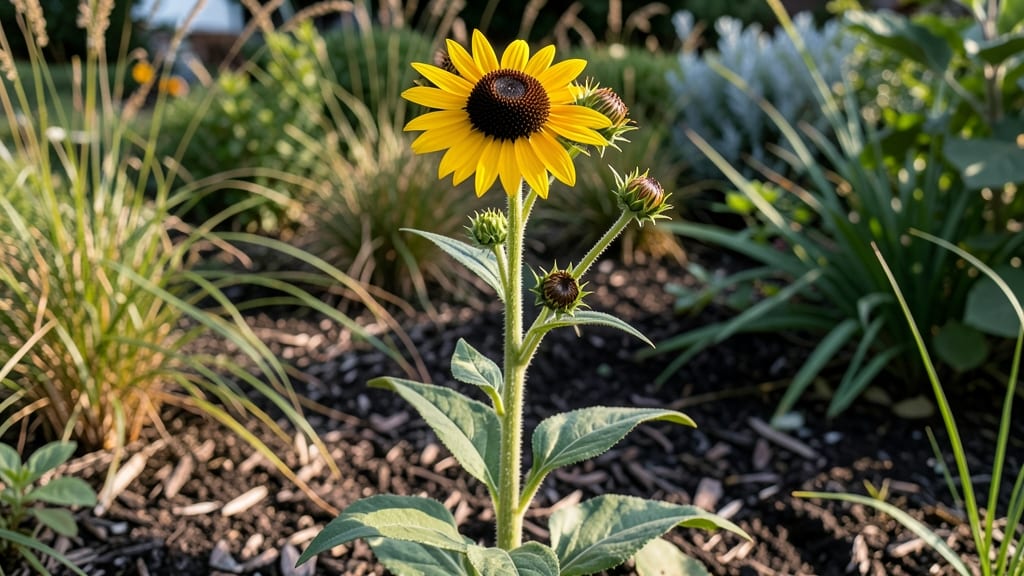
If you’ve ever wondered why your Black Eyed Susans bloom early in some climates but linger late in others, the answer lies in heat zones—and choosing the right variety for your garden can mean the difference between a fleeting splash of color and months of vibrant blooms.
In USDA Zone 6a, like many northern gardens, these hardy perennials typically burst into flower around mid-July, while southern zones can enjoy them well into October. Sunlight, soil, and even your local microclimate play a role in when—and how long—they shine.
Below, I’ll break down the exact bloom windows by zone, share the top varieties for extending your season, and reveal simple tricks to coax more flowers from your plants all season long.
Black Eyed susan bloom season by USDA heat Zone: when to expect peak flowers
Black Eyed Susans (Rudbeckia hirta) are one of the most reliable late-summer bloomers, but their bloom season timing varies dramatically across USDA heat zones.
In cooler zones like Zone 3-5, you might see early blooms as soon as June, while Zone 8-11 gardens often enjoy extended displays until October. Understanding these patterns helps you choose varieties that thrive in your climate and maximize your garden's color.
The key to predicting bloom seasons lies in frost sensitivity and heat accumulation. Black Eyed Susans need 60-80 days of warm temperatures (above 50°F) to trigger flowering.
In northern zones, cooler springs delay blooming, while southern climates often see reblooming if deadheaded properly. Let’s break down what to expect in each zone.
📌 Pro Tip: Always check your last frost date—Black Eyed Susans planted too early in cold zones may bolt (flower prematurely) or get frost-damaged. Aim to plant after your average last frost for best results.
| USDA Zone | Avg. Bloom Start | Avg. Bloom End | Frost Risk | Best Varieties |
|---|---|---|---|---|
| Zone 3-4 | Mid-June | Early September | High (late blooms at risk) | 'Prairie Sun', 'Indian Summer' |
| Zone 5-6 | Late June | Mid-October | Moderate (early frost danger) | 'Goldsturm', 'Cherokee Sunset' |
| Zone 7-8 | Early July | Late October | Low (extended season) | 'Herbstsonne', 'Toto' |
| Zone 9-11 | Late June | November (or longer) | None (tropical climates) | 'Indian Summer', 'Butterflies' |
In Zone 3-4, where winters are harsh, Black Eyed Susans often bloom earlier to take advantage of the short growing season. Varieties like 'Prairie Sun' are bred for cold tolerance and may start flowering as early as mid-June.
However, late-season blooms can be frost-sensitive, so plan to cut back stems before the first frost to protect roots.
Zone 5-6 gardeners enjoy the longest peak bloom window, typically from late June to mid-October. This is the sweet spot for classic varieties like 'Goldsturm', which thrives in these conditions. If your area has early frosts, deadhead spent blooms regularly to encourage reblooming and extend the season by 2-3 weeks.
Southern gardeners in Zone 7-11 often experience prolonged blooming due to warmer winters. In Zone 9-11, some varieties like 'Indian Summer' may bloom year-round with minimal care.
However, even in warm climates, heat stress (above 95°F) can cause blooms to wilting, so provide afternoon shade during peak summer months.
For reblooming varieties, deadheading (removing spent blooms) is critical. Cut stems back to the first set of healthy leaves to stimulate new growth.
In Zone 8-11, this technique can extend blooms well into November, while in cooler zones, it’s best to stop deadheading by mid-September to allow plants to harden off for winter.
If you’re in a transition zone (e.g., Zone 6b-7a), consider planting a mix of early and late varieties. For example, pair 'Goldsturm' (early bloomer) with 'Herbstsonne' (late-season) to ensure continuous color from July through October. Mulch heavily in fall to protect roots from temperature swings.
One common mistake is assuming all Black Eyed Susans bloom at the same time. Dwarf varieties (like 'Toto') may bloom 2-3 weeks later than standard types, while tall varieties (like 'Cherokee Sunset') often flower first. Plan your garden layout accordingly to create a staggered bloom effect.
🌼 Remember: Black Eyed Susans are perennials, meaning they’ll return year after year. The first year after planting, expect sparser blooms as the plant establishes roots. From year 2 onward, you’ll see their full potential—especially if you provide well-draining soil and full sun.
Top Black Eyed susan varieties ranked by bloom duration and heat tolerance
Not all Black Eyed Susans perform equally in the heat, and some varieties will reward you with longer bloom seasons and better heat tolerance than others. If you're in a hot climate (USDA Zones 8-11), selecting the right variety can extend your golden-yellow blooms from early summer well into fall.
Let's compare the top performers based on bloom duration and heat resistance.
When choosing varieties, I focus on three key factors: reblooming tendencies, heat tolerance, and overall bloom length. Some varieties like 'Goldsturm' are legendary for their long-lasting flowers, while others like 'Indian Summer' thrive in intense heat and dry conditions.
Let's dive into the specifics that matter most for your garden.
Key: Higher ratings indicate longer bloom seasons and better heat tolerance. 'Herbstonne' leads for heat resistance, while 'Indian Summer' and 'Autumn Sun' excel in late-season blooming.
'Goldsturm' remains the gold standard for long bloom duration, often flowering from July through October with proper care. It's my go-to recommendation for gardeners in USDA Zones 4-9 who want reliable color and low maintenance. This variety thrives in full sun and well-draining soil, making it perfect for xeric landscapes.
For hot, dry climates like those in Zones 9-11, 'Indian Summer' and 'Autumn Sun' are my top picks. These varieties rebloom prolifically even when temperatures exceed 90°F, and they handle drought conditions with ease. I've seen 'Autumn Sun' produce fresh blooms well into November in my