
Blooming
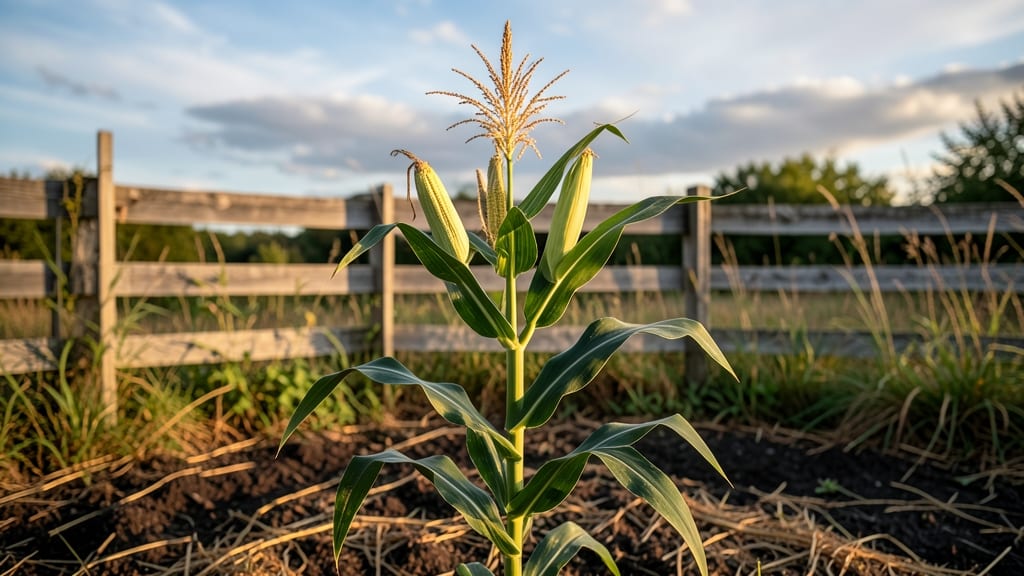
Blooming New Zealand flowers like violas and cornflowers bring vibrant colors and subtle citrusy or floral notes to dishes, perfect for garnishes, salads, or syrups. Always use certified edible varieties to avoid toxicity risks.
New Zealand's native blooms offer more than just beauty—they bring unique flavors to your kitchen. 🌸 Many edible varieties like kānuka or kowhai flowers have peppery or honeyed undertones, while violas add a mild, slightly sweet touch.
The key is sourcing from trusted growers, as some native species (like those in the Rutaceae family) can be harmful. Start with dried flowers for teas or fresh petals in desserts to explore their full potential safely.
For beginners, I recommend starting with simple recipes like edible flower-infused honey or cornflower frittatas, which highlight their natural flavors without overwhelming your palate. These dishes let you experiment while keeping prep straightforward.
Local farmers' markets often carry certified edible blooms, or you can order dried varieties online for consistent results.
💡 In This Article
- Edible Bloom New Zealand Flowers for Cooking
- Easy Bloom New Zealand Flower Recipes to Try
Edible bloom New Zealand flowers for cooking
New Zealand's native flora boasts several stunning edible blooms that bring unique flavors to dishes. The kowhai (Sophora tetraptera), with its bright yellow petals, offers a peppery, slightly bitter taste similar to licorice—perfect for teas or spiced desserts.
Meanwhile, kānuka flowers (Kunzea ericoides) deliver a honeyed, citrusy aroma that pairs beautifully with honey or fruit-based recipes. These flowers thrive in NZ's temperate climate and are often found in wildflower meadows or cultivated by local growers.
For milder flavors, cornflowers and violas are excellent choices. Cornflowers have a delicate, slightly sweet taste with a hint of almond, while violas offer a mild floral note with a touch of berry-like sweetness. Both are safe when sourced from reputable suppliers, as wild-harvested varieties can sometimes carry contaminants.
Always avoid flowers from the Rutaceae family (like some citrus relatives), which contain toxic compounds that can cause skin irritation or digestive upset.
The key to using these blooms safely lies in preparation. Fresh flowers should be thoroughly washed to remove dirt or pesticides, while dried varieties are ideal for teas or infusions. For garnishes, use only the petals—remove any bitter-tasting centers or stamens.
The flavor intensity varies: kowhai and kānuka are bold enough to stand alone, while violas and cornflowers work best as subtle accents. 🌿 For instance, a single kowhai blossom can elevate a fruit tart, while a sprinkle of violas adds visual appeal to a summer salad.
Texture plays a role too—delicate petals like those of cornflowers become slightly crisp when dried, while kānuka petals maintain a soft, almost velvety feel. This makes them ideal for different applications: dried kānuka in teas or cornflowers** in baked goods where a gentle crunch is desired.
Always taste-test small amounts first, as individual palates vary in sensitivity to floral notes.
When sourcing, look for organic-certified or locally grown options from trusted suppliers. Markets like Wellington's Johnsonville or Auckland's La Cigale Market often feature edible flower vendors. For dried varieties, reputable online stores specializing in culinary herbs and flowers (like Edible Flowers NZ) provide detailed growing and harvesting guidelines.
This ensures you're getting safe, high-quality blooms ready for your kitchen experiments.