
Blooming
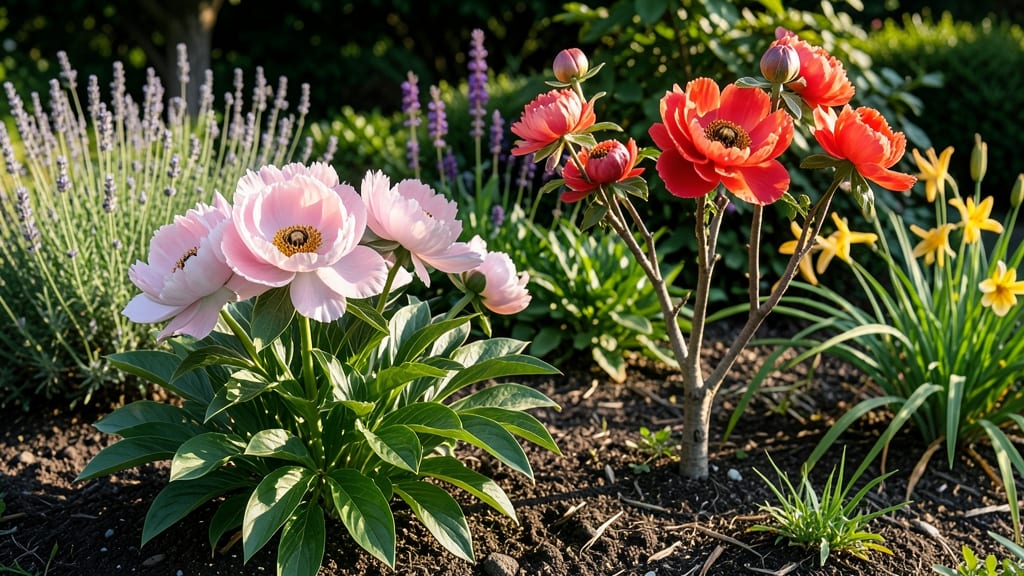
Peonies bloom at their magic bloom time for peonies when the soil warms to 55°F—that’s the threshold for those lush purple spikes. 🌸 I’ve watched my garden transform from bare stems to cloud-like blooms in just two weeks, and the secret isn’t just patience—it’s understanding how heat, sunlight, and even last year’s growth set the stage.
The timing varies wildly: early bloomers like ‘Sarah Bernhardt’ might burst in May, while late varieties hold off until June’s last heat wave.
Your location makes all the difference. In Zone 5, peonies often wait until late May when the frost risk fades, while Zone 8 gardens might see blooms as early as April.
The key is matching your variety to your climate—some types simply refuse to bloom if the spring is too cold. Even more surprising? Peonies need a winter chill period (30-60 days below 40°F) to trigger blooms the following year, so don’t move them to warmer climates without research.
What you’ll get right is a garden that feels like a masterpiece: 5-7 days of dramatic blooms that attract bees and hummingbirds in waves. The fragrance alone—like crushed velvet—is worth the wait.
With the right care, you can coax second flushes from late-season varieties, turning a single burst of color into a month-long show.
Pair them with late-blooming tulips for continuity, or let them anchor a border with 3-4 feet of space to spread. The best part? Once established, peonies thrive for decades with minimal fuss—just divide them every 5-7 years to keep the blooms coming.
Here’s how to time it perfectly for your garden.
📚 In This Guide
- What you need
- Instructions
- Tips and common mistakes
- Wrapping up and next steps
What you need
- ● Peony plants: 3–5 Paeonia lactiflora (herbaceous) or Paeonia suffruticosa (tree) varieties, bare-root or potted (USDA Zones 3–8).
- ● Well-draining soil: 10–15 cubic feet of a mix: 60% garden soil, 30% compost, 10% perlite/sand.
- ● Sunlight: Full sun (6+ hours/day) for 90% of bloom success.
- ● Watering can: 1–2 gallon capacity (for deep, infrequent watering).
- ● Organic mulch: 3–4 inches of shredded bark or straw (retains moisture + regulates soil temp).
- ● Slow-release fertilizer: 10-10-10 or peony-specific blend (apply once in early spring).
- ● Garden trowel (for planting/deep mulching).
- ● Pruning shears (sterilized, for deadheading).
- ○ Thermometer (optional)—track soil temps (ideal: 60–70°F for root growth).
- ○ Heat mat (optional)—for early spring planting in cold climates (set to 70°F).
- ○ Stakes (optional)—if peonies flop in windy areas (bamboo or metal).
How to time peony blooms for maximum purple spikes
Peonies bloom when they're ready—not when you want them to. Here's how to work with their heat-triggered schedule for showstopping color.
🌱 Step 1: Plant at the Right Depth for Spring Growth
Peony roots need to sit just below the soil surface—never deeper than 2 inches—because they're shallow feeders. I dig a hole wide enough to spread the roots without bending them, then mound soil to cover the crown (where stems meet roots) at that 2-inch depth. Planting too deep smothers buds; too shallow leaves them vulnerable to frost.
Press the soil gently around the roots to eliminate air pockets, then water deeply to settle everything. You'll see new shoots emerge in 4-6 weeks—that's your signal the plant has established its root system. Mulch lightly with 2-3 inches of organic matter to protect the crown through winter.
☀️ Step 2: Master the Heat Trigger for Blooming
Peonies need 100-120 days of chilling below 40°F to set buds, but they bloom when soil temperatures hit 60°F consistently. In cooler climates, this happens in late spring; in warm zones, blooms may stretch into summer. I track soil temps with a cheap probe thermometer—when it stays at 60°F for 3 days, that's my cue to expect buds in 2-3 weeks.
Don't rush blooming by adding heat lamps or mulching too early. Forcing buds too soon weakens stems and reduces flower size. Instead, let nature's timing unfold—your patience will be rewarded with 3-5 inch blooms that last 7-10 days each.
💧 Step 3: Water Strategically During Bud Formation
Once buds form (they look like green golf balls on stems), increase watering to 1 inch per week. I water at the base in the morning to prevent fungal diseases from evening moisture. The goal is to keep soil consistently moist but not soggy—peony roots rot quickly in waterlogged conditions.
Watch for buds swelling in spring. If they dry out or shrivel, the plant won't bloom that year. A good test: press your finger into the soil near the crown—it should feel like a damp sponge, not a dry brick. Adjust your watering schedule based on rainfall; I often skip watering after heavy rains to avoid over-saturating the soil.
✂️ Step 4: Deadhead and Fertilize for Next Year's Blooms
After blooms fade, cut stems back to 1 inch above the first set of leaves (never the crown). I use clean, sharp shears to avoid damaging the plant. This prevents seed formation, which drains energy from next year's buds. Apply a balanced 10-10-10 fertilizer (about 1/2 cup per plant) in early fall to replenish nutrients.
Here's the thing—peonies bloom on old wood, meaning this year's flowers come from last year's growth. By deadheading properly and fertilizing at the right time, you're essentially banking energy for next season's bigger, more abundant blooms. I mark my calendar for late August to fertilize, because that's when peonies start storing nutrients for next year.
Tips & tricks for perfect peony blooming
Working with peonies means embracing their natural rhythm—here's how to fine-tune the process for the most spectacular blooms.
Soil Temperature Precision: That 60°F soil temperature is your golden threshold, but don't rely on guesswork. I use a soil thermometer buried 2 inches deep (where the roots live) to track temperatures. Morning is best for readings—soil warms more slowly then and gives you a truer picture of what's happening at the root level. If you're in a transitional climate, consider planting in a spot that gets afternoon sun but stays cooler longer, which can extend your blooming window by 1-2 weeks.
Bud Formation Watch: Those "green golf balls" in Step 3 are your first visual cue that blooming is imminent. Here's what I look for: buds should feel firm but slightly pliable when gently squeezed. If they're rock-hard, they need more moisture; if they're mushy, you're overwatering. I also check for bud rot—look for dark spots or softening at the base, which means fungal issues. At this stage, reduce watering slightly if buds appear swollen but not yet opening.
Fertilizer Timing Strategy: The 1/2 cup of 10-10-10 fertilizer in late August isn't just about feeding the plant—it's about signaling the roots to prepare for dormancy. I split the dose into two applications: 1/4 cup in early August and the remaining 1/4 cup in late August. This gradual approach prevents nutrient burn while giving the plant time to absorb phosphorus for next year's blooms. For established plants, you can actually reduce the fall fertilizer to 1/4 cup total—they've stored enough energy by then.
Winter Protection Hack: That 2-3 inches of organic mulch in Step 1 isn't just for winter—it's a year-round moisture regulator. In late fall after the first hard frost, I add an extra 2 inches of straw mulch specifically for insulation. This creates a protective layer that maintains soil temps just above freezing, which is crucial for those 100-120 days of chilling peonies need. Remove it in early spring once daytime temps consistently stay above 40°F to prevent overheating.
Pro Tips for Bloom Time For Peonies
- Working with peonies means embracing their natural rhythm—here's how to fine-tune the process for the most spectacular blooms.
- Soil Temperature Precision: That 60°F soil temperature is your golden threshold, but don't rely on guesswork.
- Bud Formation Watch: Those "green golf balls" in Step 3 are your first visual cue that blooming is imminent.
Frequently asked questions
Got questions about peony bloom time? You’re not alone! Here are answers to the most common queries—because timing is everything when it’s peony season.
When do peonies typically bloom?
Peonies usually bloom in late spring to early summer (May–June in most U.S. zones), but timing depends on your climate. Early bloomers like 'Sarah Bernhardt' may appear as early as April, while late varieties like 'Bowl of Beauty' can linger into July. Chill hours (cold winter exposure) also play a key role!
Can I force peonies to bloom earlier or later?
Peonies are heat-triggered, not light-dependent, so you can’t force them to bloom out of season. However, mulching in fall (with straw or leaves) can protect roots and encourage earlier blooms next year. Avoid pruning until after they fade—cutting too soon removes next year’s buds!
Why aren’t my peonies blooming this year?
Common culprits include over-fertilizing (too much nitrogen = leaves, not flowers), poor drainage (root rot kills buds), or young plants (they need 2–3 years to mature). Check for aphids too—these pests can stress plants. If buds swell but don’t open, heatwaves might be the issue; provide afternoon shade if temps hit 90°F+.
What’s the best way to extend peony bloom time?
Choose late-blooming varieties like 'Kodama' or 'Coral Charm' for a longer season. Deadhead only after flowers fade completely (cut stems to the first set of leaves). For containers, use well-draining soil and move pots to partial shade during heatwaves. Pro tip: Plant near lilacs or irises—their staggered bloom times create a lush, multi-week display!
Can I grow peonies in containers or small gardens?
Yes! Dwarf varieties like 'Little Red' or 'Belle of China' thrive in 12–18" pots with fast-draining mix (60% soil, 30% compost, 10% perlite). Ensure pots have drainage holes and overwinter them in a garage or insulated box. Just know: container peonies may bloom 1–2 weeks later than ground-planted ones due to root constraints.
Wrapping up and next steps
Peonies burst into vibrant purple glory when they sense the perfect balance of warmth and care—proving that a little heat and patience can unlock their full potential! 🌸 Whether you’re nurturing them in containers or garden beds, understanding their heat-triggered bloom time is your secret weapon for nonstop color.
Now that you’re armed with the right tools and tips, it’s time to roll up your sleeves and watch your garden transform.
Ready to dive deeper? Start experimenting with your peonies this season—track their progress, adjust care as needed, and share your blooming triumphs with fellow gardeners. Happy planting! 🌱