
Blooming
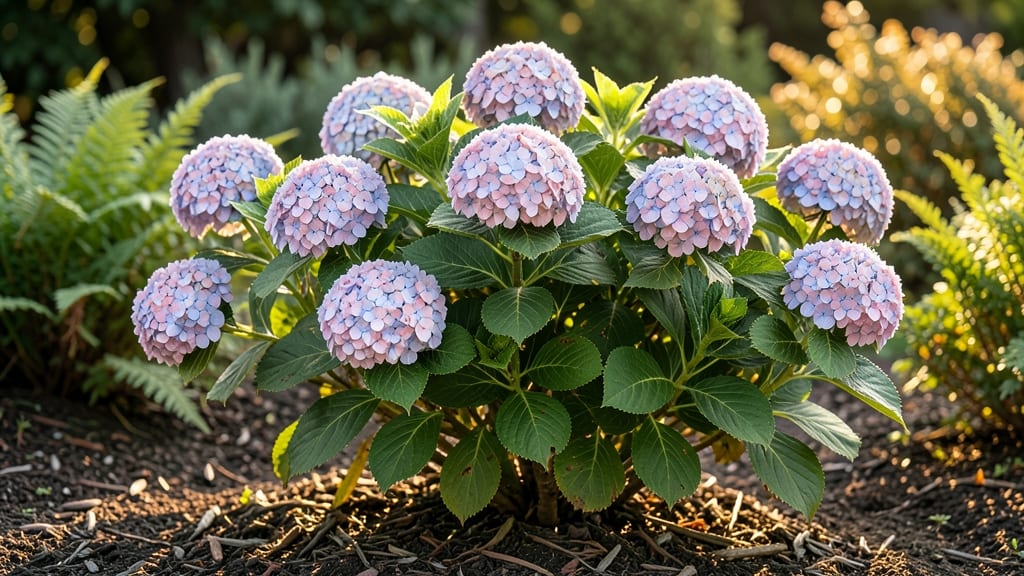
Endless Summer hydrangeas bloom on old wood, meaning last year’s growth holds the buds for next season’s show-stopping flowers 💧 — but only if you prune with precision.
Struggling to get your Endless Summer hydrangeas to bloom on last year’s wood? The secret isn’t just patience—it’s the right pruning timing and technique that forces more vibrant flowers every season.
Most gardeners mistakenly cut back in early spring, stripping away next year’s blooms before they even form. The key is waiting until after the flowers fade in late summer, then trimming just the spent blooms—not the stems.
Below, I’ll walk you through the exact steps to prune for maximum blooms, when to fertilize for bigger flowers, and how to spot the warning signs of over-pruning before it’s too late.
Why Endless Summer hydrangeas bloom on old wood (and how to maximize it)
If you’ve ever wondered why your Endless Summer hydrangeas produce stunning blooms on last year’s wood, the answer lies in their unique growth cycle. Unlike many hydrangeas that bloom on new wood (current year’s growth), this variety relies on old wood buds formed the previous season.
These buds develop in late summer and early fall, then remain dormant until spring when they burst into vibrant blooms.
The key to maximizing these flowers is understanding when and how these buds form. Old wood buds are delicate and form on stems from the previous growing season. If you prune too early or too aggressively, you risk removing these buds before they’ve had a chance to bloom.
This is why timing your pruning is absolutely critical for this variety.
| Growth Stage | Bud Formation | Pruning Window | Key Action |
|---|---|---|---|
| Late Summer (Aug-Sept) | Bud formation begins | None (critical period) | Avoid pruning; protect buds |
| Fall (Oct-Nov) | Bud development continues | None (dormant season) | Mulch to protect buds |
| Early Spring (March) | Bud swelling visible | Late winter (Feb) | Prune only dead wood |
| Post-Bloom (July-Aug) | Bud formation for next year | Immediately after blooming | Light pruning to shape |
Here’s how to identify healthy old wood for blooming: Look for stems that are at least 1 year old—these are thicker and have a slightly woody texture. The buds form in clusters along these stems, typically near leaf nodes.
If you see small, tight green buds in late spring, you’re looking at next year’s blooms. Protect these stems by avoiding heavy pruning until after they’ve finished flowering.
One common mistake is pruning in late winter when buds are just starting to swell. This removes the old wood buds before they’ve had a chance to bloom. Instead, wait until immediately after flowering (late summer) to prune for shape and encourage new growth that will form next year’s buds.
This timing ensures you don’t accidentally cut off the flowers you’re hoping to see.
The Endless Summer hydrangea is unique because it also produces some blooms on new wood, which is why it’s so forgiving. However, the majority of flowers come from old wood buds.
To maximize blooms, focus on preserving those old wood stems while lightly shaping the plant after it finishes flowering. This balance is what gives this variety its name—endless blooms season after season.
If your hydrangea isn’t blooming as expected, check for signs of over-pruning or nutrient deficiencies. Yellowing leaves or sparse buds often indicate the plant isn’t getting enough phosphorus or potassium.
A light application of balanced fertilizer in early spring can help, but avoid heavy feeding in fall, as this encourages tender new growth that won’t survive winter.
For best results, pair your pruning with consistent moisture. Hydrangeas thrive in well-draining soil with partial shade, especially in hot climates. Mulching around the base helps retain moisture and protects the roots, which supports stronger bud formation.
Aim to water deeply once a week during dry spells, and always water at the base to avoid wetting the foliage.
Remember, the secret to endless blooms isn’t just patience—it’s understanding the plant’s growth cycle and working with it. By protecting those old wood buds and pruning at the right time, you’ll enjoy vibrant, abundant flowers every season.
Start by identifying your plant’s old wood stems this spring, and you’ll be on your way to a hydrangea that truly lives up to its name.
🌿
Step-by-step pruning guide to force more flowers on old wood
Endless Summer hydrangeas are famous for blooming on old wood, meaning their flowers form on stems from the previous growing season. To maximize blooms, timing and technique are everything. Prune at the wrong time, and you risk cutting off next year’s flowers before they even form.
The key? Wait until late summer or early fall—after the blooms have faded but before winter dormancy.
Before grabbing your shears, gather the right tools: bypass pruners for clean cuts, gloves to protect from thorns, and disinfectant to prevent disease spread. Avoid heavy-duty loppers unless dealing with thick stems, as they can damage the plant.
Pro tip: Sterilize your tools with rubbing alcohol between cuts to keep your hydrangea healthy.
Wait Until After Blooming
Prune 4-6 weeks after flowering (typically August-September) to allow buds on old wood to set for next year. Cutting too early removes next year’s blooms before they form.
Remove Only Dead or Weak Wood
Focus on dying branches (brown, brittle stems) and those growing inward. Avoid cutting healthy green stems—these hold next year’s buds. Aim for a balanced shape without over-thinning.
Cut Just Above a Bud or Leaf Node
Make cuts at a 45-degree angle, 1/4 inch above a outward-facing bud. This encourages new growth in the right direction. Avoid leaving stubs—flush cuts heal faster and reduce disease risk.
Deadhead Sparse Flowers (Optional)
If some flowers look spread out or weak, snip them off to redirect energy to stronger buds. Use sharp scissors for precision—avoid tearing stems. Skip this step if most blooms are healthy.
Fertilize Lightly After Pruning
Apply a balanced fertilizer (10-10-10) to replenish nutrients lost during pruning. Water deeply to help roots absorb nutrients. Avoid heavy feeding—too much nitrogen encourages leafy growth over blooms.
Mulch to Protect Buds
Add 2-3 inches of mulch around the base to insulate roots and preserve dormant buds over winter. Use shredded bark or pine needles—avoid fresh wood chips, which can draw moisture.
Deadheading spent blooms in early summer (removing only faded flowers, not stems) can encourage a second flush of blooms on new wood. However, this isn’t necessary for Endless Summer varieties—focus on preserving old wood for next year’s showstopper flowers.
The trade-off? A slightly shorter first bloom season but more reliable blooms annually.
If your hydrangea looks overgrown or leggy, resist the urge to prune hard in winter. Endless Summer varieties bloom on old wood, so aggressive cuts risk removing next year’s flowers entirely.
Instead, prune lightly in late winter (February) to shape the plant, but save major cuts for post-bloom.
With the right timing and technique, your Endless Summer hydrangea will reward you with vibrant, abundant blooms year after year—no guesswork required. 🌸