
Blooming
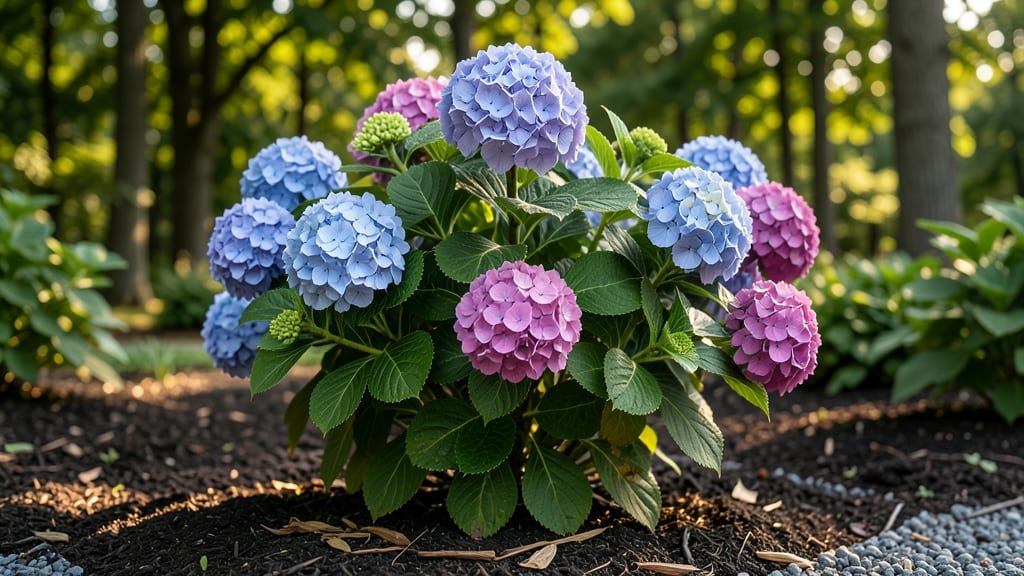
Hydrangeas bloom in Pennsylvania’s summer heat, typically between June and September, with peak color arriving just as the garden starts to sizzle.
If you’ve ever wondered why your 🌸 hydrangeas seem to burst into color just as Pennsylvania’s summer heat peaks, the answer lies in their unique blooming cycle—and timing it right could mean the difference between a showstopping garden and a missed opportunity.
In USDA zones 6a-7a, where most of the state falls, blooming times vary by variety.
Bigleaf hydrangeas, like the classic Hydrangea macrophylla, often put on their best show in late July or August, while panicle types (such as Hydrangea paniculata) can stretch blooms from mid-summer through early fall.
Here’s how to align your expectations with Pennsylvania’s climate, plus pro tips to coax even longer blooms from your shrubs—no matter where you garden in the Keystone State.
Hydrangea bloom timing in Pennsylvania: month-by-month guide
Pennsylvania’s diverse climate zones create a perfect canvas for hydrangeas, but bloom timing varies wildly between varieties and regions. Whether you’re in Pittsburgh’s cooler hills or Philadelphia’s humid summers, knowing when to expect those showstopping blooms helps you plan your garden’s star moments.
Hydrangeas in PA generally follow two bloom cycles: early summer for panicle varieties and late summer/fall for bigleaf and oakleaf types. However, late frosts or heatwaves can shift these windows by weeks—especially in Erie’s lakeshore microclimate versus Allegheny Mountain slopes.
Below is your month-by-month breakdown of when each hydrangea type typically blooms across Pennsylvania’s USDA Zones 6a-7a, plus regional adjustments for Pittsburgh, Philadelphia, and Erie. Use this as your garden calendar to time pruning, fertilizing, and deadheading for maximum impact.
If you’re in Pittsburgh (Zone 6a), expect panicle hydrangeas to kick off the show in June, while bigleaf varieties will peak in August with their vibrant blues and pinks. The cooler mountain air often delays blooms by 1-2 weeks compared to Philadelphia.
In Philadelphia’s Zone 7a, the warmer microclimate pushes blooms earlier—panicle types may start as early as late May, and oakleaf hydrangeas can extend their display into November if temperatures stay mild. This is also where soil pH changes dramatically affect bigleaf hydrangea colors.
Erie’s lakeshore location creates a unique cool, humid climate that can shorten bloom seasons by 2-3 weeks compared to inland areas. Here, panicle hydrangeas often bloom in mid-June, while oakleaf varieties may finish by early September unless protected from early fall frosts.
For longer blooms, focus on panicle varieties like 'Little Lime' or 'Quick Fire', which thrive in full sun and hotter PA summers. Bigleaf hydrangeas like 'Nikko Blue' perform best with afternoon shade in Philadelphia’s heat, while oakleaf types add fall color that outshines many maples.
Pro tip: Deadhead spent blooms from panicle hydrangeas in late summer to encourage reblooming—this works best in Philadelphia’s warmer zone. In Pittsburgh’s cooler climate, focus on pruning in late winter to shape bigleaf varieties for next year’s blooms.
🌸
Climate factors that trigger hydrangea blooms in PA’s summer heat
Pennsylvania’s summer heat and humidity play a starring role in hydrangea blooming, but timing isn’t just about the calendar—it’s about the weather patterns that signal your plants to burst into color.
In USDA zones 6a-7a, late frosts in spring can delay blooms, while heatwaves in July and August often trigger the peak flowering period for most varieties.
For example, bigleaf hydrangeas (like Endless Summer) typically need consistent warmth and moderate humidity to set buds, which is why they often bloom in late July or August—just as Pennsylvania’s summer humidity rises.
Meanwhile, panicle hydrangeas (such as Limelight) can bloom earlier, starting in mid-June if temperatures climb steadily after the last frost.
- Temperature Threshold: Blooms trigger at 70°F+ for 3+ days (ideal for bigleaf types).
- Humidity Boost: 60%+ humidity enhances bloom size—common in PA’s summer afternoons.
- Sunlight Balance: 4-6 hours of sun (morning light preferred) prevents stress-induced dormancy.
- Late Frost Risk: Frosts after May 15 can damage new buds—protect with burlap wraps.
- Heatwave Impact: 90°F+ temps may cause bud drop; mulch to retain moisture.
- Microclimate Key: Urban areas (like Philly) bloom 1-2 weeks earlier than rural zones due to heat islands.
Pennsylvania’s microclimates also create regional variations. In Pittsburgh’s cooler valleys, blooms may arrive 2 weeks later than in Philadelphia’s urban heat islands, where concrete and pavement trap warmth. Even within your own yard, a north-facing slope might delay blooms by 10-14 days compared to a south-facing border.
To optimize blooms, monitor your local heatwave patterns. If temperatures soar above 90°F for weeks, your hydrangeas may drop buds—a sign they’re heat-stressed. Increase watering to deep soaks twice weekly and apply 2-3 inches of mulch to keep roots cool.
For early bloomers like panicle types, a light spring pruning in March can encourage larger, earlier flowers.
Don’t overlook humidity’s role—Pennsylvania’s summer afternoon thunderstorms provide the perfect moisture trigger for bud development. If your area is dry and hot (like western PA), consider mist spraying in early morning to mimic natural humidity cycles. This simple trick can extend bloom season by 2-3 weeks.
By understanding these climate triggers, you can time your care to match your hydrangeas’ natural rhythm. Whether you’re in Erie’s cooler shores or Lancaster’s hot valleys, adjusting for temperature, humidity, and sunlight will help you maximize those showstopping blooms—just in time for Pennsylvania’s golden autumns. 🌸