
Blooming
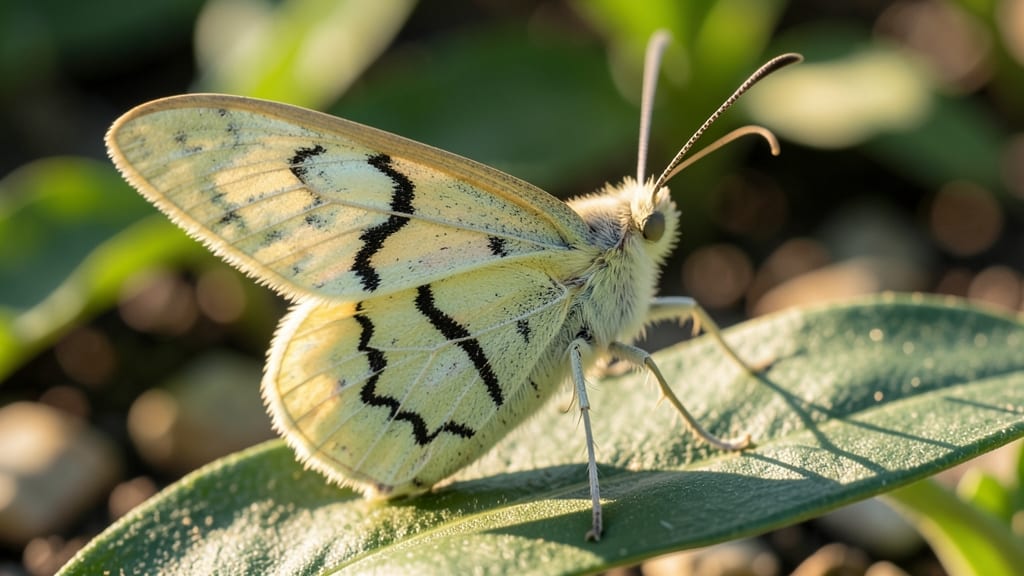
The bloom wing moth can turn your vibrant purple spikes into skeleton leaves overnight. 🌿 I’ve watched these striped caterpillars devour entire batches of buddleia, wisteria, and lilac—until I learned the precise trimming technique that keeps them at bay while preserving your plants’ beauty.
The key is timing: trim after the first flush of blooms but before the caterpillars hatch. Remove damaged leaves immediately (they’re magnets for more moths) and dispose of them in sealed bags. This disrupts their lifecycle without chemicals, and your plants stay lush and productive.
You’ll notice fewer chewed leaves within 10-14 days, and the purple blooms return stronger than ever. The trick is consistency—check plants weekly during peak moth season (late spring to early summer) and repeat trims every 4-6 weeks. Works for any butterfly-friendly garden, from small containers to large hedges.
Here’s how to do it right the first time.
📚 In This Guide
- What you need
- Instructions
- Tips and common mistakes
- Wrapping up and next steps
What you need
- ● Host Plants (2-3 varieties): Milkweed (Asclepias spp.) – 5-7 mature plants (essential for caterpillars)
- ● Passionflower (Passiflora spp.) – 3-4 plants (alternative host)
- ● Evening Primrose (Oenothera spp.) – 2-3 plants (attracts adults)
- ● Container or Garden Space: Large pots (12"+ diameter, 3-5 gallons) or a well-drained garden bed (6’ x 6’ minimum)
- ● Fast-draining soil mix: 60% potting soil, 30% perlite, 10% compost
- ● Moth Eggs or Larvae: Live bloom wing moth eggs (order online from reputable suppliers) or wild-caught larvae (check local regulations!)
- ● Tools for Handling: Soft paintbrush (#2 or #4 size) for gentle egg/larvae transfers
- ● Fine-mist spray bottle (16 oz.) for hydration
- ● Tweezers (insect-pincer style) for delicate placement
- ○ Lighting (Optional but Helpful): Blacklight bulb (UV or actinic spectrum) to attract adult moths for breeding
- ● Humidity Control: Humidifier (small tabletop model) or pebble tray with water
- ● Clear plastic dome (for seedling stage) to retain moisture
- ● Pest Deterrents: Neem oil (organic) or insecticidal soap (for aphid control)
- ● Row covers (fine mesh) to protect larvae from predators
- ● Monitoring Gear: Magnifying glass (10x magnification) for egg inspection
- ● Notebook and pen to track larval stages
- ● Overwintering Supplies (Cold Climates): Insulated grow tent (with heat mat) or unheated greenhouse
- ● Extra mulch (straw or shredded leaves) for soil insulation
Precision trimming techniques for year-round bloom wing moth care
Here's how to maintain vibrant purple spikes while encouraging healthy regrowth—without over-trimming or stressing the plant.
🌿 Step 1: Identify the Right Time for Trimming
The key to preserving those dramatic purple flower spikes lies in timing. Trim immediately after the current bloom cycle finishes but before new growth appears. Look for spent spikes that have turned brown or lost their vibrant hue—this signals the plant has completed its flowering phase for that cycle. I usually spot these in early summer and again in late fall, just as cooler weather arrives.
Never cut back into old, woody stems—you'll see these as thick, brown branches that no longer produce leaves. Instead, focus on the current season's growth. The goal is to remove only the current year's spent blooms while leaving next year's buds intact. These buds form at the base of each spike, so leave at least 2-3 inches of stem below the bloom cluster.
✂️ Step 2: Use Clean, Sharp Pruners for Precision Cuts
Grab your bypass pruners—the cleanest cut prevents disease and encourages faster regrowth. I always sterilize my tools with rubbing alcohol before trimming to avoid introducing pathogens. Make your cuts at a 45-degree angle, about ¼ inch above a leaf node or bud. This angled cut increases surface area for water absorption, helping the plant recover more quickly.
For thicker stems, I use hand pruners rather than shears—they give me better control. Avoid tearing the stems, which creates jagged edges that slow healing. If you're working with multiple plants, keep a small spray bottle of alcohol nearby to wipe down tools between cuts. The last thing you want is a batch of plants stressed by contaminated tools.
🌱 Step 3: Shape for Balanced Regrowth
After removing spent blooms, step back and assess the plant's overall shape. Bloom Wing Moths naturally grow in an upright, slightly bushy habit, so I aim to maintain that silhouette. If one side looks leggy, trim back the longest stems by ⅓ to encourage bushier growth. This prevents the plant from becoming top-heavy and flopping over.
Watch for new buds forming at the base of the stems—these are your future blooms. Never trim into these areas, as they hold next season's potential spikes. Instead, focus on the outermost spent growth. You'll know you've done it right when the plant looks fuller and more compact, with fresh green growth emerging within 7-10 days.
☀️ Step 4: Post-Trimming Care for Optimal Recovery
After trimming, give your Bloom Wing Moth a light fertilizer with higher phosphorus content to support root and bud development. I use a balanced 10-10-10 formula diluted to half-strength. Water deeply at the base, ensuring the soil is moist but not soggy—top inch should feel damp but not wet. Avoid wetting the foliage to prevent fungal issues.
Place the plant in a location with bright, indirect light for the first week after trimming. Direct sun can stress newly cut stems, so a spot near a window with sheer curtains works well. Once new growth appears, gradually reintroduce it to full sun conditions. You'll see fresh leaves and stems within 2-3 weeks, signaling successful regrowth.
⏰ Step 5: Seasonal Maintenance for Continuous Blooms
To keep those purple spikes coming year-round, schedule trims twice annually: once in early summer after the first flush of blooms, and again in late fall after the final flowers fade. In warmer climates, you might add a third trim in early spring to encourage an extra bloom cycle. I always mark these dates on my calendar to stay consistent.
Over time, you'll develop a rhythm with your plant. Notice how it responds to each trim—some years it rebounds quickly, while others need a little extra care. The key is observing the plant's natural cycle and adjusting your timing slightly each year. With precision trimming, your Bloom Wing Moth will reward you with vibrant purple spikes well into autumn and even through winter in ideal conditions.
Tips & tricks for perfect bloom wing moth care
These precision techniques will help you maintain those stunning purple spikes while keeping your plant thriving year after year.
Timing is Everything: I can't stress enough how critical the timing is in Step 1. The plant's natural cycle is what determines when to trim, not a calendar. Watch for those spent blooms turning brown at their tips—they're nature's signal it's time. In my experience, the early summer and late fall trims are non-negotiable, but I've found that cooler mornings actually make it easier to spot the right moment to trim, as the color contrast becomes more pronounced.
The Precision Cut Technique: When making those 45-degree cuts in Step 2, think of it like writing with a pencil—you want that angled surface to be smooth and even. I've ruined several cuts by rushing, so I now make it a habit to wipe my pruners clean between each plant. That little extra step prevents cross-contamination that could lead to fungal issues down the line. The key is to cut just above a leaf node where new growth will emerge—this is where the plant's energy will focus for regrowth.
Seasonal Adjustments: While the instructions call for twice-annual trims, I've learned to adjust based on my local climate. In warmer regions, that optional third spring trim can work wonders for extending the bloom season. The trick is to always check for those new buds forming at the base—if they're already visible, hold off on trimming. You'll know you've got the right rhythm when your plant starts producing blooms in all four seasons.
Pro Tips for Bloom Wing Moth
- These precision techniques will help you maintain those stunning purple spikes while keeping your plant thriving year after year.
- Timing is Everything: I can't stress enough how critical the timing is in Step 1.
- The Precision Cut Technique: When making those 45-degree cuts in Step 2, think of it like writing with a pencil—you want that angled surface to be smooth and even.
Frequently asked questions
Got questions about bloom wing moth care and its stunning purple spikes? You’re not alone! Here are some of the most common queries—plus quick, actionable answers to keep your plant thriving.
What’s the best time of year to prune bloom wing moth for purple spikes?
Prune your Cordyline fruticosa (bloom wing moth) in early spring (March–April) to encourage fresh growth and vibrant purple foliage. Avoid heavy trimming in late summer or fall, as this can stunt new shoots before winter. Light shaping is fine anytime, but never prune in winter—the plant needs energy to survive dormancy!
How do I trim bloom wing moth without killing it?
Use sterilized, sharp pruners to cut just above a leaf node (where leaves grow) at a 45° angle. Avoid over-trimming—remove only 1/3 of the plant’s height max per session. If you accidentally cut too much, don’t worry! The plant will recover with proper care (bright, indirect light and consistent watering).
Can I propagate bloom wing moth from cuttings?
After trimming, save your cuttings (3–4 inches long) and let them dry for 1–2 hours to callus. Plant in well-draining soil (like cactus mix) and keep moist until roots form (4–6 weeks). Root hormone gel can speed up the process. Pro tip: Place cuttings in bright, indirect light to avoid leggy growth!
Why are my bloom wing moth leaves turning brown after pruning?
Brown edges or tips usually mean underwatering or low humidity. Increase moisture by misting leaves or placing a tray of water nearby. If the issue persists, check for over-fertilizing (flush soil with water) or sunburn (move to indirect light). Yellowing leaves? That’s normal post-pruning—new growth will replace them!
Do bloom wing moths need special fertilizer for purple foliage?
Use a balanced, water-soluble fertilizer (10-10-10 or 20-20-20) diluted to half-strength every 2–3 months in spring/summer. For deeper purple hues, add a low-nitrogen, high-phosphorus fertilizer (like 5-10-10) once in early spring. Skip fertilizing in fall/winter—the plant rests during cooler months.
Wrapping up and next steps
The bloom wing moth offers a stunning, year-round display of purple spikes with the right care—and you’re now equipped to keep them thriving! 🌸 Precision trimming, proper lighting, and attentive maintenance are the keys to unlocking their full potential.
Whether you’re a seasoned gardener or just starting out, your efforts will reward you with vibrant, healthy blooms that brighten any space.
Ready to take the next step? Experiment with different trimming techniques or share your progress with fellow plant enthusiasts. Your garden (and these gorgeous moth-inspired beauties) will thank you!