
Blooming
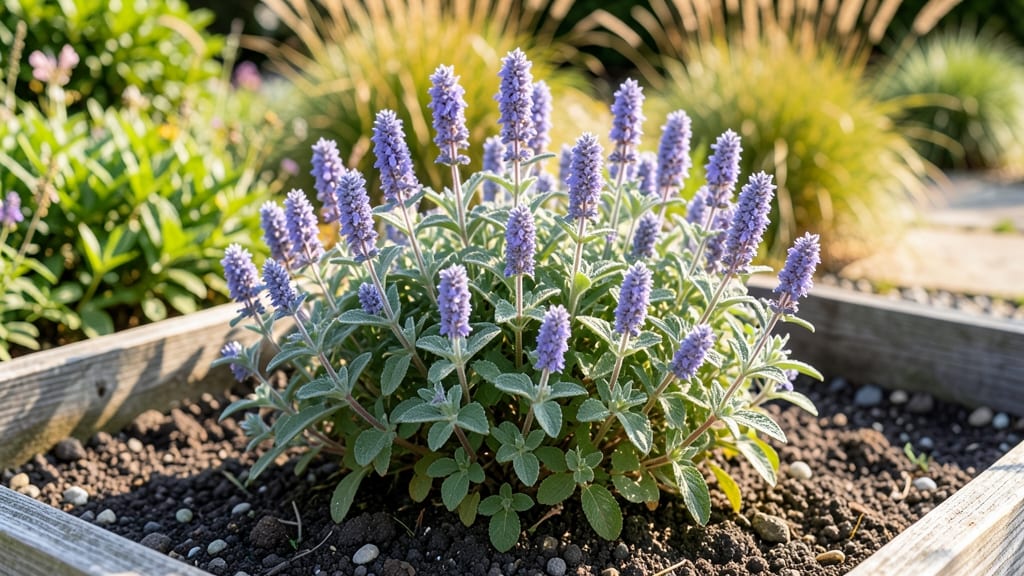
Catmint’s bloom time turns your garden into a fragrant cloud of purple spikes when temperatures climb to 70°F+, transforming it from shy green shoots to a buzzing pollinator magnet in just weeks—like nature’s own fireworks display, triggered by heat and sunlight. 💜 I’ve watched my catmint go from shy green shoots to a buzzing pollinator magnet in just weeks—it’s like nature’s own fireworks display, triggered by heat and sunlight.
The longer the warm weather, the longer the blooms last, but proper pruning after each flush keeps them coming. In cooler climates, you might see blooms taper off by September, while southern gardens can stretch them into October.
The key is deadheading spent blooms and avoiding over-fertilizing—catmint thrives on neglect once established.
Pair it with lavender, Russian sage, or ornamental grasses for a long-lasting purple theme that hums with bees and butterflies. The fragrance alone makes it worth growing—just brush a bloom and you’ll smell the garden’s secret perfume.
With the right placement, your catmint could be blooming three times a season.
For extended blooms, mulch well to keep roots cool and water deeply but infrequently. In hot climates, provide afternoon shade to prevent wilting. The secret to catmint’s magic? Let it grow wild—it rewards carelessness with more blooms than most perennials.
📚 In This Guide
- What you need
- Instructions
- Tips and common mistakes
- Wrapping up and next steps
What you need
- ● Catmint plants: Seeds: 1 packet (50–100 seeds) or 1–2 nursery transplants (6–12" tall)
- ● Recommended varieties: ‘Walker’s Low,’ ‘Purpurascens,’ or ‘Kew Red’ for vibrant blooms
- ● Soil: Well-draining potting mix or garden soil (amend with compost for fertility)
- ○ Optional: Perlite or sand (1 part per 5 parts soil) for extra drainage
- ● Containers (if not planting in-ground): 1–2 pots (12–18" diameter) with drainage holes
- ● Grow bags (5–7 gallons) for larger plants
- ● Sunlight: Full sun (6+ hours/day) or partial shade (4–6 hours)
- ● Water: Drip irrigation or watering can (avoid overhead watering to prevent mildew)
- ● Garden tools: Trowel or small shovel
- ● Pruning shears (for deadheading)
- ○ Gloves (optional but handy!)
- ● Fertilizer: Slow-release granular fertilizer (5-10-5 ratio) or organic compost tea
- ● Pro tip: Catmint is drought-tolerant—over-fertilizing can reduce blooms! 🌡️
- ● Mulch: Straw or shredded bark (1–2" layer) to retain moisture
- ● Heat tolerance: Catmint thrives in zones 3–9—no extra heat mats or grow lights needed!
- ● Stakes or trellis (if growing tall varieties like ‘Boughton Monkshood’)
- ● Pest deterrents (neem oil spray for aphids or spider mites)
- ● Colorful companion plants (lavender, yarrow, or ornamental grasses for a pollinator-friendly display)
How to time catmint blooms for season-long purple spikes
Heat triggers catmint's signature blooms—here's how to coax those fragrant purple spikes from early summer through fall.
☀️ Step 1: Plant in Full Sun for Heat Activation
Catmint (Nepeta) thrives in 6+ hours of direct sun daily—this is non-negotiable for blooming. The plant stores energy in its roots during cooler spring months, then converts that stored energy into flowers when daytime temperatures consistently reach 70°F+. I always place mine in the sunniest, most exposed spot in my garden, often against a south-facing fence where heat radiates back onto the foliage.
If your climate has cooler summers, choose compact varieties like 'Walker's Low'—they bloom more reliably in 65-75°F ranges. Watch for the first flush of buds forming at the stem tips; this signals the plant has reached its heat threshold. Partial shade delays blooming by 2-3 weeks and produces fewer flowers, so don't skimp on light.
💧 Step 2: Water Strategically to Encourage Blooming
Once buds form, cut back on watering to once weekly—catmint is drought-tolerant once established, and overwatering triggers leafy growth at the expense of flowers. I water deeply in the morning, aiming for 1-1.5 inches per week, then let the soil dry out between waterings. The key is maintaining moist but not soggy soil—you'll see the first blooms open when the soil surface feels dry to the touch.
Real talk: If your catmint sends up tall, leggy stems with few flowers, it's either thirsty or getting too much nitrogen. Switch to a low-nitrogen, high-phosphorus fertilizer (like 5-10-5) when buds appear. I apply a handful of bone meal at the base in early summer to give blooms a phosphorus boost without promoting excessive foliage.
✂️ Step 3: Deadhead and Prune for Extended Blooming
Here's where it gets fun—catmint's secret to long blooms is aggressive deadheading. As soon as spent flower spikes turn brown, snip them back to the nearest set of healthy leaves with clean, sharp pruners. This removes the seed heads that signal the plant to stop flowering and encourages new buds to form along the stems. I deadhead every 7-10 days during peak bloom season (June through September in my zone 7 garden).
For a bushier plant, trim back one-third of the oldest stems in early spring before new growth begins. The plant responds by sending out multiple new shoots from the base. You'll notice within weeks that the center of the plant fills in with fresh, vibrant growth—this is your reward for pruning. Avoid cutting into woody stems, as catmint flowers on new growth.
🌿 Step 4: Feed and Mulch for Continuous Heat Tolerance
Catmint's heat tolerance declines as summer progresses, so I top-dress with 2-3 inches of mulch in late June to insulate roots and retain moisture. Use straw or shredded leaves—avoid wood chips, which can compact and smother the plant. The mulch also regulates soil temperature, preventing the kind of heat stress that causes buds to drop prematurely.
In mid-summer, when blooms start slowing, I apply a balanced liquid fertilizer (10-10-10) diluted to half strength. This gives the plant a gentle energy boost without overwhelming it. Watch for new flower buds forming at the stem tips—this is your signal that the plant is responding well to the care. If you notice yellowing leaves, it's time to reduce watering and check for pests like spider mites, which thrive in hot, dry conditions.
⏰ Step 5: Prepare for Fall Blooms with Late-Season Care
As temperatures drop below 60°F at night, catmint's blooming naturally slows. To extend the season, I give the plant a light trim in early fall, cutting back any leggy stems by half. This stimulates a final flush of flowers before frost. I also reduce mulch thickness to 1 inch to allow soil to cool slightly—catmint tolerates light frosts but won't rebloom if the ground stays too warm.
The final trick? Leave the dead flower stems in place over winter—they provide insulation for the roots and often produce a surprise early spring bloom. In my garden, catmint often sends up new growth in March, weeks before other perennials. This is why I never cut the plant back to the ground in fall; the old stems protect the crown until new shoots emerge.
Tips & tricks for perfect catmint bloom timing
Between us, catmint's blooming schedule is all about reading the heat cues—and I've learned these tricks after years of trial and error with my garden beds.
Heat Threshold Awareness: The 70°F+ daytime temperature threshold mentioned in Step 1 isn't just a number—it's when catmint's internal clock flips from "store energy" to "produce flowers." I track my local weather app for consistent highs above this mark, which usually means June in my zone 7 garden. If your area has cooler summers, the compact 'Walker's Low' variety is your best bet, as it blooms reliably in 65-75°F ranges. Watch for those first tiny buds at stem tips—they're your signal that the plant has finally reached its heat threshold.
Soil Temperature Matters: While we focus on air temperature, soil temperature is equally critical. I test soil warmth by pressing my finger into the ground—if it feels comfortably warm (like a hot bath), catmint will respond. In cooler climates, consider using black plastic mulch in spring to warm the soil faster. This can jumpstart blooming by 1-2 weeks compared to unmulched beds. The key is maintaining that 70°F+ soil temperature consistently during daylight hours.
Deadheading Precision: The 7-10 day deadheading schedule in Step 3 is non-negotiable for continuous blooms. I mark my calendar with reminders because those 7 days between deadheadings are when new buds form. Use clean pruners and cut just above a leaf node—this prevents disease and encourages branching. Pro tip: Deadhead on a dry morning when flowers have fully opened; the stems will be easier to snip cleanly. I've seen plants produce three distinct bloom cycles in one season when deadheaded religiously.
Fall Transition Strategy: That 60°F nighttime temperature threshold in Step 5 is your cue to switch gears. Instead of cutting back completely, I do a light trim—just enough to remove leggy growth while leaving the plant's structure intact. This stimulates one final flush of flowers before frost. The real magic happens when you leave those dead stems over winter; they act like a natural blanket, protecting the crown and often producing early spring blooms in March—weeks before most perennials wake up.
Pro Tips for Catmint Bloom Time
- Between us, catmint's blooming schedule is all about reading the heat cues—and I've learned these tricks after years of trial and error with my garden beds.
- Heat Threshold Awareness: The 70°F+ daytime temperature threshold mentioned in Step 1 isn't just a number—it's when catmint's internal clock flips from "store energy" to "produce flowers."
- Soil Temperature Matters: While we focus on air temperature, soil temperature is equally critical.
Frequently asked questions
Got questions about getting the most out of your catmint’s bloom time? You’re not alone! Here are answers to the most common queries—from timing tricks to troubleshooting tips.
When does catmint typically bloom?
Catmint usually blooms in late spring to early summer (May–June), but with proper care, it can produce continuous flowers until the first frost. Heat and sunlight trigger blooms, so deadheading spent spikes encourages a second flush. For extended color, plant in full sun and water moderately—drought-tolerant once established!
Can catmint bloom all season long?
Yes! With the right conditions, catmint’s heat-triggered blooms can last from early summer through fall. Prune back 1/3 after the first flush to promote bushier growth and more flowers. Mulch with gravel (to retain heat) and avoid overwatering—drought stress actually boosts flowering in this hardy perennial.
Will catmint bloom in cooler climates?
Catmint thrives in USDA Zones 3–9, but cooler climates may delay blooming until late spring or reduce fall flowers. Choose ‘Walker’s Low’ or ‘Purpurascens’ varieties—they’re cold-hardy and bloom earlier. Plant in a south-facing spot to maximize warmth and extend the season.
Why isn’t my catmint flowering?
Lack of blooms often stems from over-fertilizing (too much nitrogen = leafy growth) or shady spots. Ensure it gets 6+ hours of sun and prune leggy stems in early spring. If the plant looks stressed, check for pests (aphids, spider mites) or root rot—adjust watering to keep soil dry but not soggy.
What’s a good alternative if catmint blooms fade early?
For longer-lasting color, pair catmint with lavender (also heat-loving) or Russian sage (drought-tolerant and late-blooming). If you want purple spikes specifically, try salvia ‘May Night’ or lobelia—both thrive in similar conditions and extend your seasonal display.
Wrapping up and next steps
Catmint’s heat-triggered purple blooms bring effortless charm to any garden, thriving with minimal fuss once planted. Whether you’re drawn to its long-lasting flowers or drought-resistant nature, this hardy perennial rewards patience with season-long color.
Ready to transform your space? Grab your gloves, pick a sunny spot, and let catmint work its magic—your garden will thank you!
Next step: Explore companion plants to extend blooms and attract pollinators! 🌿