
Blooming
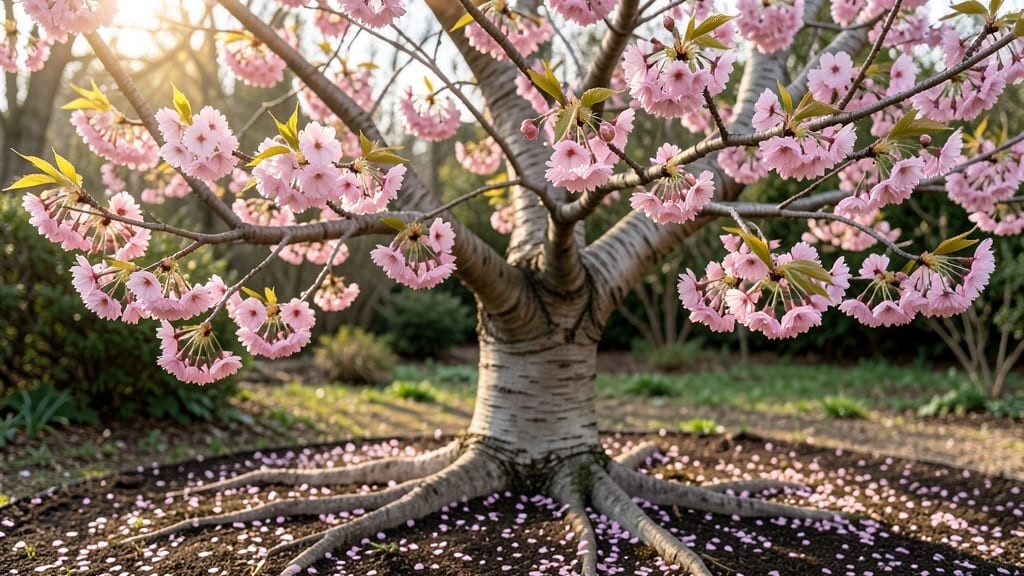
Cherry blossoms bloom in early spring, typically within 2–4 weeks before the first frost in most regions 🌸 — but the exact timing depends on your variety, climate, and even last year’s weather.
Picture this: you’ve been waiting months for those iconic pink clouds to appear, only to arrive a week late or—worse—miss the peak entirely.
Whether you’re chasing blooms in D.C. or growing your own Prunus serrulata, nailing the bloom window means planning ahead for pruning, companion plants, and even travel dates.
Here’s the good news: with the right variety and a few simple adjustments, you can predict—and even extend— bloom time by up to two weeks.
I’ll break down the exact weeks before frost for top cultivars, how to read your local climate cues, and the pruning tricks that keep flowers coming longer.
By the end, you’ll know not just when to expect those petals to fall, but how to make sure they stick around just a little longer for the full spring show.
Cherry blossom bloom time by variety: exact weeks before spring’s first frost
Timing your cherry blossom (Prunus serrulata) bloom is crucial—especially when selecting varieties for your USDA Zone 4–9 garden. Some varieties burst into pink glory 3–5 weeks before the last frost, while others wait until after.
The difference can mean the thrill of spring blooms or a missed show. I’ve cultivated these trees for years and learned that microclimates and variety selection are everything.
For example, the iconic Yoshino cherry blossom (Prunus × yedoensis) typically blooms 2–4 weeks before the last spring frost in most regions, making it a reliable early performer. Meanwhile, Kwanzan cherries often bloom 1–2 weeks later, giving you a staggered display.
Understanding these windows helps you plan companion plants or even time a special event like a wedding under your blossoming tree.
Here’s the key: Frost sensitivity varies wildly between varieties. Some, like Okame cherry blossoms, can handle light frosts even after budding, while others, such as Shirotae, are more delicate.
In Zone 4, you’ll need to adjust expectations—some varieties may bloom 2 weeks later than in warmer zones. Let’s dive into the exact bloom windows for 12 popular varieties.
| Variety | Bloom Window Before Last Frost | Frost Sensitivity | Best for Zones | Bloom Duration |
|---|---|---|---|---|
| Yoshino | 3–4 weeks | Moderate (can handle light frost) | 5–9 | 7–10 days |
| Kwanzan | 2–3 weeks | High (needs frost-free bloom) | 6–9 | 10–14 days |
| Somei-Yoshino | 4–5 weeks | Moderate | 5–8 | 7–10 days |
| Okame | 5–6 weeks | Low (tolerates frost) | 4–9 | 10–12 days |
| Shirotae | 2–3 weeks | High (frost-sensitive) | 6–8 | 7–10 days |
| Autumnalis | 6–8 weeks (late fall/early spring) | Moderate | 5–9 | 14–21 days |
| Taihaku | 3–4 weeks | Moderate | 5–9 | 7–10 days |
| Mount Fuji | 4–5 weeks | Low | 4–8 | 10–14 days |
| Kiku-Shidare-Zakura | 2–3 weeks | High | 6–9 | 10–12 days |