
Blooming
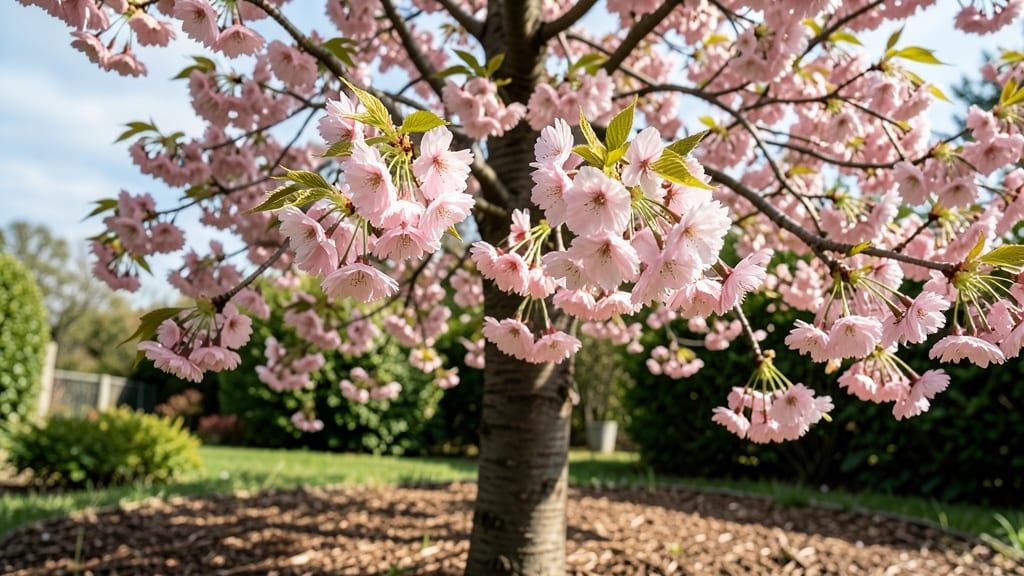
Michigan cherry blossoms bloom between late April and early May, with timing varying by variety and USDA hardiness zone—early bloomers like Kanzan appear as soon as mid-April in southern regions, while northern varieties like Stella Rosa peak closer to late May.
Michigan's cherry blossom season is a breathtaking spectacle that unfolds differently across the state.
The timing depends heavily on where you are—southern regions like Detroit often see blooms 2-3 weeks earlier than northern areas like Traverse City. 🌸 For example, Autumnalis trees, known for their extended bloom periods, might start in late April and linger into June, while Kanzan varieties typically peak in early May.
Gardeners can strategically plant early and late bloomers to enjoy blossoms for weeks, not just days.
What many don't realize is that temperature fluctuations play a huge role in bloom timing. A late frost can delay blossoms by weeks, while an unusually warm spring might bring them out earlier.
Urban areas often bloom slightly later than rural spots due to the "heat island" effect, where pavement and buildings retain warmth.
If you're planning a photoshoot or simply want to catch the best views, checking local weather forecasts and bloom reports from Michigan State University can help you time your visit perfectly.
💡 In This Article
- Michigan Cherry Blossom Bloom Timeline by Variety and Zone
- How to Predict and Extend Michigan Cherry Blossom Seasons
Michigan cherry blossom bloom timeline by variety and Zone
Michigan's cherry blossom season unfolds like a natural calendar, with each variety responding to temperature cues unique to its hardiness zone. In USDA Zone 6 (northern Michigan), where winters are colder, most varieties bloom between late April and early May.
The Stella Rosa cultivar, for instance, typically peaks around May 10-15, while Autumnalis varieties may start as early as late April but stretch their display into June due to their extended blooming habit.
In Zone 5 (southern Michigan), where winters are milder, blooms arrive 1-2 weeks earlier—Kanzan trees often burst into pink by mid-April, creating a stunning contrast with the lingering snow in northern regions.
The key driver behind these differences is chilling requirements—most cherry blossoms need 800-1,200 hours below 45°F during winter to trigger spring blooming. Southern Michigan's milder winters may not provide enough chilling, which is why some varieties (like Autumnalis) are more reliable in northern zones.
Temperature swings also matter: a sudden frost after buds form can devastate blooms, while a warm spell in March might trick trees into blooming too early.
For example, in 2021, Detroit's Kanzan trees bloomed three weeks early due to unseasonably warm weather, only to be damaged by a late frost. 🌸 Urban areas like Ann Arbor often bloom 3-5 days later than rural spots because concrete and buildings create microclimates that delay warming.
If you're planning a visit, timing is everything. The peak bloom window—when 70-80% of flowers are open—usually lasts 7-10 days for most varieties. Kanzan, for example, has a shorter peak (5-7 days) compared to Autumnalis, which can stretch its display over 4-6 weeks.
Gardeners in Zone 6 might see Stella Rosa blooms align with Mother's Day weekend, while southern Michigan's Kanzan trees often peak around Earth Day.
Pro tip: Check Michigan State University's bloom reports or local arboretum updates, as they track real-time progress using degree-day models that predict blooming based on accumulated heat units.
For those who want to maximize their blossom-viewing experience, planting a mix of early, mid, and late bloomers can create a staggered display. Pair Kanzan (early) with Autumnalis (late) to enjoy pink hues from April through June.
Microclimate matters too: south-facing slopes warm up faster, often triggering blooms 5-7 days earlier than north-facing areas. In Zone 5, gardeners might even see Autumnalis trees rebloom in fall if summer temperatures stay mild—a rare but magical bonus. 🌿
One variety stands out for its reliability in Michigan's variable climate: Autumnalis. Unlike most cherries, it blooms twice a year—once in spring and again in fall—thanks to its partial dormancy trait. This makes it a favorite for urban landscapes where space is limited.
However, it requires well-drained soil and full sun to perform at its best. In contrast, Stella Rosa (a double-blooming variety) needs more chilling hours, making it better suited for Zone 6 gardens. Both varieties reward patient gardeners with longer viewing windows compared to single-bloom types like Kanzan.
For a concrete example, consider the Detroit Institute of Arts' cherry blossom grove, which features Kanzan and Autumnalis trees. In 2023, their Kanzan blooms peaked on April 18, while Autumnalis trees began their spring display on April 25 and continued into early June.
This 3-week overlap created a near-continuous pink canopy—a lesson for home gardeners in how variety selection can transform a fleeting bloom into a prolonged spectacle. 🌸