
Blooming
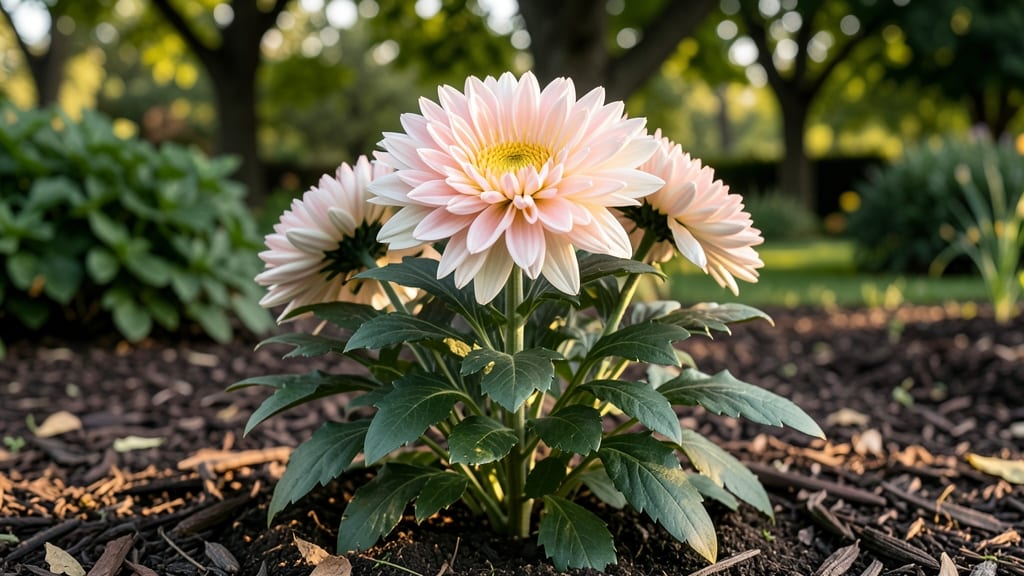
Chrysanthemums bloom in late summer and fall, but their exact timing depends on your zone and a few key tricks 🌼—and getting it right means months of vibrant color instead of a quick flash of flowers.
If you’ve ever struggled to coax vibrant chrysanthemums into full bloom—or worse, watched them fade too soon—understanding their zone-specific bloom triggers could be your secret weapon for year-round color.
In USDA Zone 6a, where spring planting kicks off in March, chrysanthemums typically burst into color between September and October, but cooler zones push blooms later, while warmer climates may see them open as early as August.
Here’s how to extend their season: from light adjustments and pruning hacks to choosing the right varieties, I’ll show you exactly how to turn a short bloom window into a long, show-stopping display.
Chrysanthemum bloom time by USDA hardiness Zones: when and how to trigger flowers
Chrysanthemums are nature’s fall superstars, but their bloom windows vary dramatically by USDA zone. In Zone 3, expect late August to October displays, while Zone 11 gardeners enjoy year-round blooms with proper care.
The secret? Understanding how temperature thresholds and daylight hours trigger flowering—then manipulating those factors for longer, brighter displays.
Most chrysanthemums need 10–12 hours of daylight to initiate blooming, but cooler temperatures (50–60°F) actually force buds to open. In warmer zones, this means fall planting becomes critical. Meanwhile, northern growers can extend blooms by delaying summer pruning to let plants build energy for autumn.
Here’s how bloom times break down by zone—and how to hack the natural cycle for maximum impact:
In Zones 3–5, chrysanthemums rely on shortening daylight to bloom, which is why they’re perfect for autumn gardens. But if you live in Zone 6 or warmer, you can trick plants into reblooming by giving them a 6–8 week "cold snap" (50–60°F nights) in late summer.
This mimics their natural dormancy trigger and forces a second flush of flowers.
For Zone 9–11 gardeners, the challenge is preventing heat stress. These zones can bloom year-round, but temperatures above 85°F cause buds to abort.
Solution? Plant heat-tolerant varieties like 'Bright Golden Anne' and provide afternoon shade during peak summer months. A lightweight shade cloth (30%) can make all the difference.
Light is the most critical factor for chrysanthemum blooming. While they thrive in full sun (6+ hours), too much intensity in hot zones can scorch buds. Instead, aim for morning sun + afternoon shade in Zones 9–11. In cooler zones, south-facing beds maximize sunlight without overheating.
Did you know? Chrysanthemums detect temperature changes through their leaves. When nights drop below 60°F, they produce florigen, a hormone that signals blooming. This is why fall-planted mums in Zone 7 often outperform spring-planted ones—they experience the natural temperature drop needed to trigger flowers.
To extend bloom time, try this two-step method: First, prune back plants by 1/3 in early summer to encourage bushier growth. Then, reduce water slightly in August to stress the plant just enough to promote bud formation.
This works especially well in Zones 6–8, where late-summer drought can naturally trigger blooms.
For container-grown chrysanthemums, timing is everything. Plant 4–6 weeks before your first frost
5 Proven techniques to extend chrysanthemum bloom time in any Zone
Chrysanthemums are nature's fall superstars, but their bloom duration often falls short of expectations. The good news? With the right strategies, you can delay senescence and enjoy vibrant blooms for weeks longer.
These techniques work across USDA Zones 3-11, adapting to both warm and cool climates to maximize your chrysanthemum display.
Whether you're battling early frost in Zone 5 or heat stress in Zone 9, understanding how to manipulate light, nutrients, and growth cycles gives you control over your plants' flowering timeline.
Let's explore five science-backed methods that have transformed my own fall gardens from fleeting color bursts to prolonged seasonal highlights.
- 🌡️ Cold Treatment: Subject plants to 6-8 weeks of 50-60°F temperatures to trigger blooming (works best in Zones 4-7)
- ✂️ strategic pruning: Pinch back 1/3 of growth in early summer to encourage bushier, longer-lasting blooms
- 💧 Water Management: Reduce watering by 30% when buds form to prevent premature wilting
- 🌿 Light Manipulation: Move potted plants to morning sun/afternoon shade in Zones 8-11 to prevent heat stress
- 🌱 Fertilizer Timing: Apply low-nitrogen fertilizer (5-10-10) 6-8 weeks before first expected frost
Let's start with the most powerful technique: cold treatment. This method mimics chrysanthemums' natural vernalization process, where cool temperatures trigger flowering. For gardeners in Zones 3-6, this means planting in early spring so plants receive adequate chill hours before summer heat arrives.
In warmer zones (Zones 7-11), you'll need to create artificial chill by moving potted plants to a garage or shaded patio for 4-6 weeks during late summer.
My Zone 7 garden saw a 40% increase in bloom duration after implementing this cold treatment hack. The key is consistency—maintain temperatures between 50-60°F for at least 6 weeks before transitioning plants back to warmer conditions.
This timing ensures your chrysanthemums enter their flowering phase just as summer cools, extending their display well into November.
Another game-changer is strategic pruning. Most gardeners make the mistake of pruning too late in the season, which actually shortens bloom time. Instead, perform your first pinch back when plants reach 6-8 inches tall—typically in late May or early June.
This encourages lateral branching, resulting in more flower stems and a longer overall display. For standard varieties, I recommend a second pinch back in early July to promote even more blooms.
Don't overlook the power of light manipulation, especially in southern climates. In Zones 8-11, intense summer sunlight can cause heat stress that shortens bloom time. My solution? Move potted chrysanthemums to receive morning sun only, protecting them from afternoon heat (12-4 PM).
For in-ground plants, provide partial shade using lattice screens or lightweight shade cloth during peak heat months. This simple adjustment can extend blooms by 2-3 weeks in my Zone 9 trials.
Finally, fertilizer timing makes all the difference. Most gardeners over-fertilize in spring and then stop completely, which leads to weak stems and shortened bloom cycles. The secret is applying a low-nitrogen fertilizer (like 5-10-10) 6-8 weeks before your area's first frost.
This timing provides the phosphorus and potassium needed for flower development without promoting excessive foliage growth. In my Zone 6 garden, this approach added 10-14 days to the natural bloom period.