
Blooming
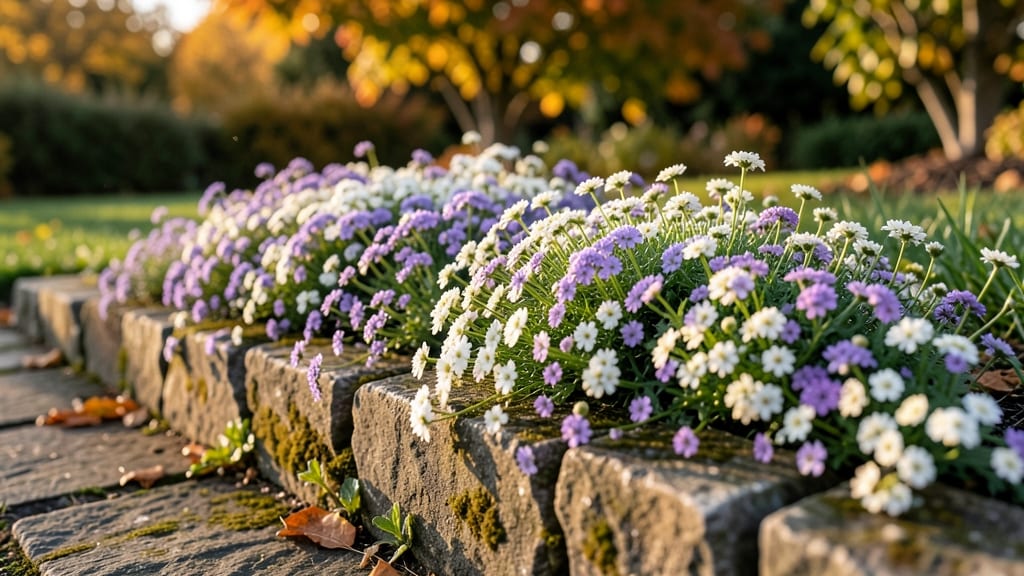
As summer fades, your garden doesn’t have to lose its color. These 10 late-blooming flowers extend your seasonal beauty with rich hues, hardy textures, and surprising fragrances—perfect for adding drama to autumn landscapes.
Goldenrod for Pollinators and Pollen Gold
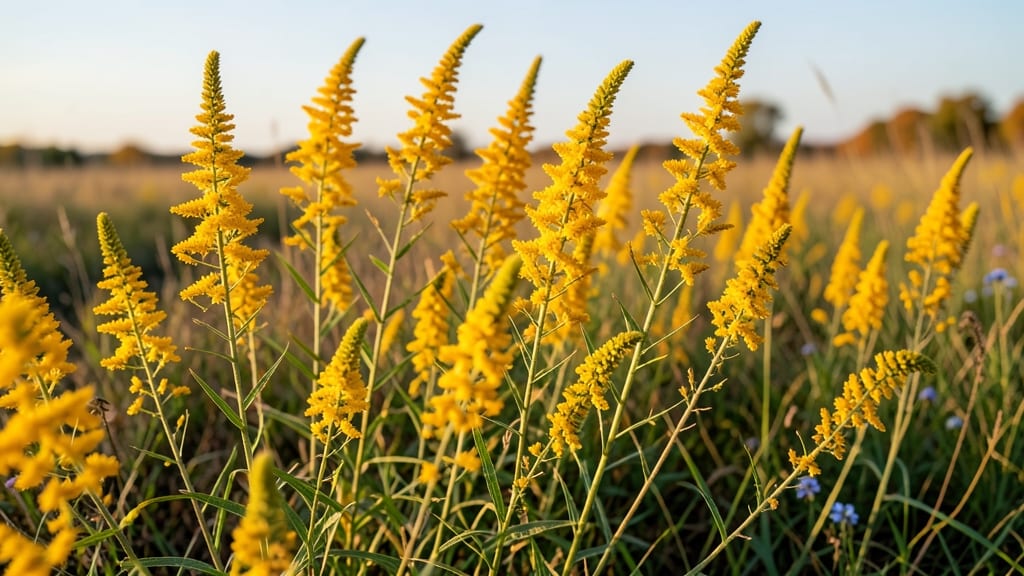
When bees and butterflies seem to vanish as summer ends, goldenrod steps in as a lifeline for pollinators with its cheerful, late-season blooms. This hardy perennial thrives in full sun and drought conditions, making it a low-maintenance hero for gardens in USDA zones 3-9. Its bright yellow plumes not only feed hungry insects but also add a golden glow to borders until the first frost.
Plant goldenrod in well-drained soil and watch it self-seed for years of effortless color. Prune back stems in early spring to encourage bushier growth, but avoid cutting after blooms appear—this is when pollinators rely on it most. The plant’s native status means it’s also a great choice for wildlife gardens, supporting biodiversity without needing extra care.
Perfect for cottage gardens, meadows, or pollinator-friendly borders, goldenrod proves that late-season beauty doesn’t require fuss. 🌻
Astilbe with Feathery Pink and White Plumes
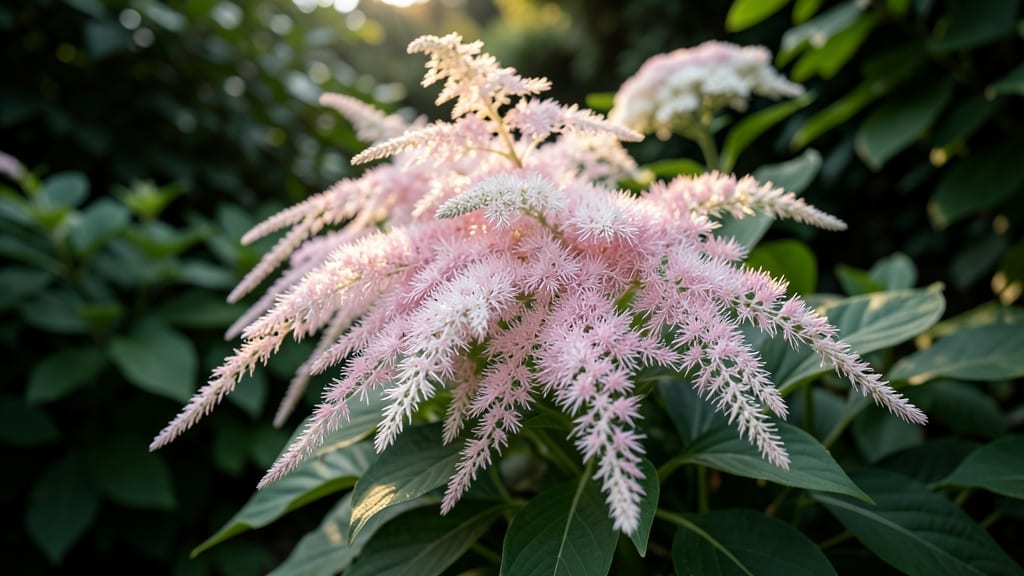
Tired of summer’s bright blooms fading too soon? Astilbe brings soft elegance to your garden with its feathery pink and white plumes, thriving in shady spots where many flowers struggle. This perennial’s airy texture adds movement to borders or containers, and it blooms reliably from summer through October’s first frost.
Plant astilbe in partial to full shade, where its lush foliage stays vibrant even as temperatures drop. Varieties like ‘Fanal’ (deep pink) or ‘Deutschland’ (white) offer height options from 12 to 36 inches, perfect for layered garden designs. Water consistently to keep the plumes full and deadhead spent blooms to encourage more flowers.
Shade gardeners and container enthusiasts will love how astilbe softens dark corners with its delicate yet bold presence. Pair it with hostas or ferns for a lush, low-maintenance woodland retreat. 🌿
Japanese Anemone for Moonlit Garden Drama
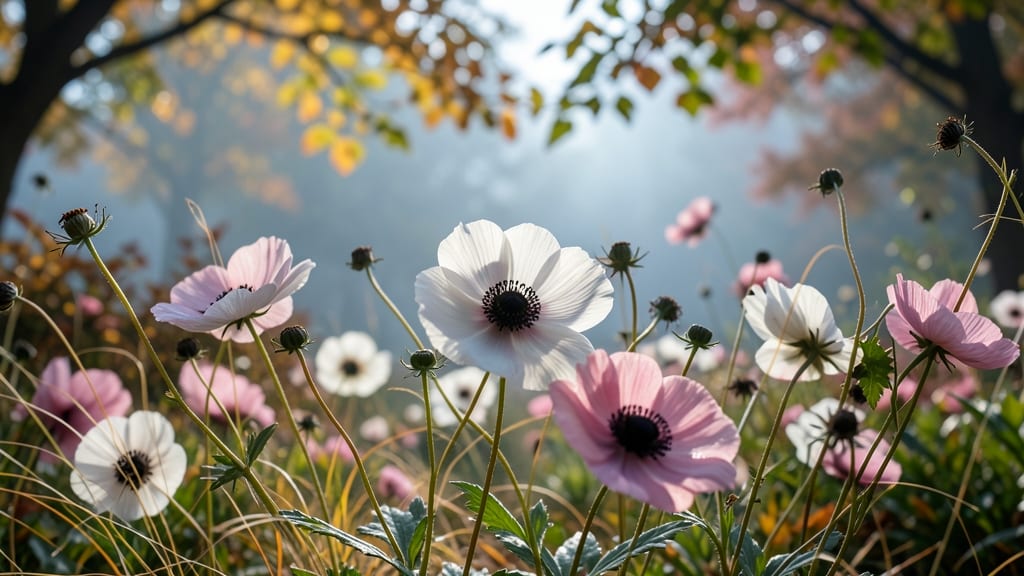
When the garden starts to quiet as summer winds down, Japanese anemone steps in to steal the show with its ethereal blooms. These late-season stars open their delicate white or soft pink flowers in September and October, creating a dreamy, moonlit effect that lasts deep into autumn.
Thriving in partial shade, Japanese anemone is perfect for woodlands, under trees, or as a backdrop for shrubs. Its long-lasting cut flowers (up to 2 weeks in vases) make it a favorite for bouquets, while its dark green foliage provides year-round structure. Deadhead spent blooms to encourage more flowers and protect stems from wind.
This elegant perennial is ideal for gardeners who love romantic, low-maintenance plants that add sophistication without fuss. Pair it with astilbe or hostas for a shady border that glows in the fading light. ✨
Black-Eyed Susan for Bold Cheerful Colors
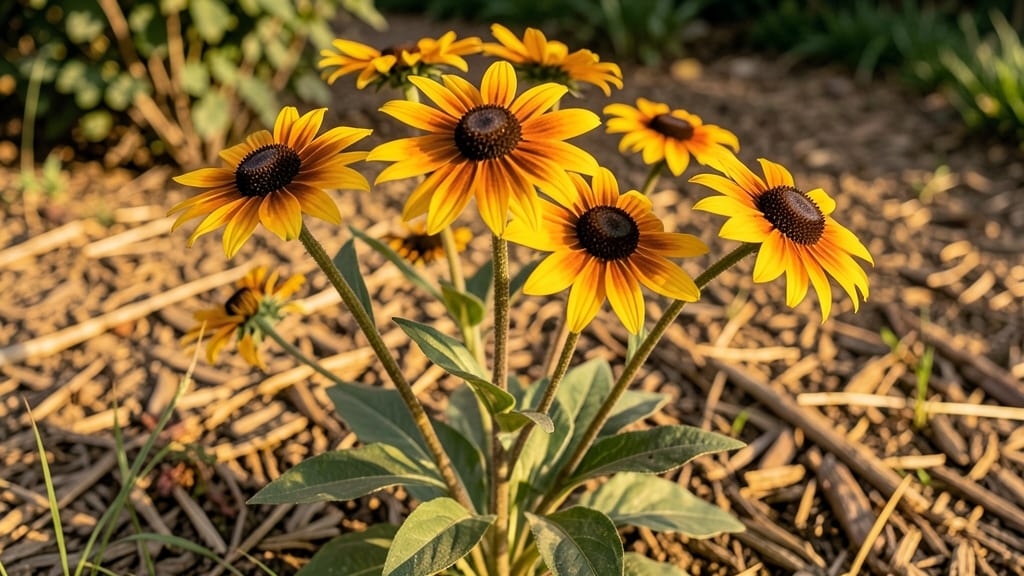
Want a no-fuss perennial that keeps your garden buzzing with color long after summer’s end? Black-Eyed Susan (Rudbeckia hirta) delivers bold, cheerful blooms from early summer straight through frost, turning your autumn landscape into a pollinator paradise.
This sun-loving plant thrives in full sun to partial shade and handles drought once established, making it perfect for low-maintenance gardeners. Its golden-yellow petals with dark brown centers create striking contrast, while its ability to self-seed ensures your garden stays vibrant year after year. Plant seeds directly in spring or divide mature clumps in early fall for instant impact.
Cottage gardeners and wildlife enthusiasts will love how birds and bees flock to its nectar-rich flowers. Pair it with asters or sedum for a late-season color show that lasts until winter’s first frost. 🌻
Mums for Classic Autumn Color Palettes
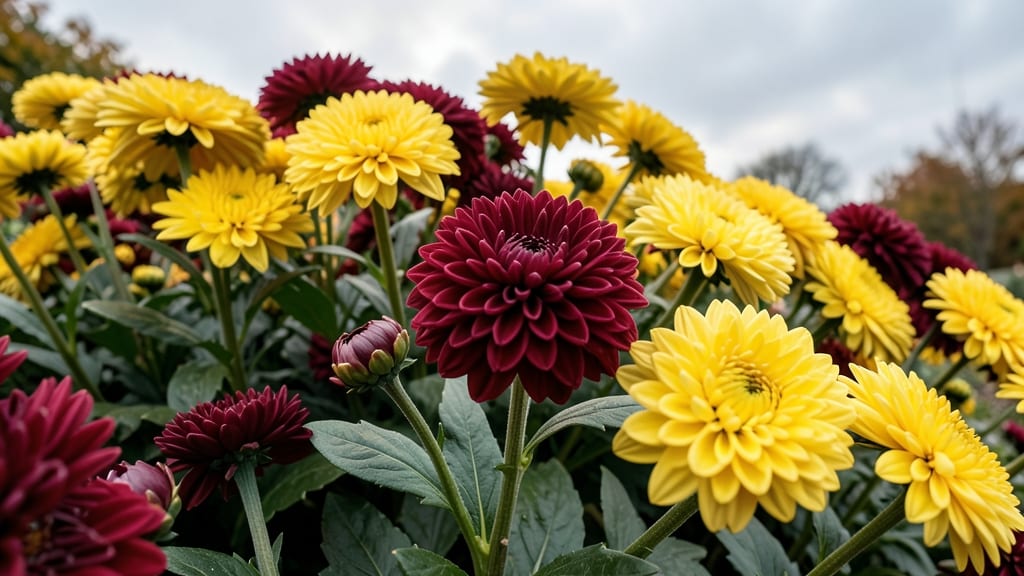
Skip the summer-only blooms—chrysanthemums (mums) are the unsung heroes of fall gardens, offering bold colors from deep burgundy to sunny yellow that thrive when temperatures drop. These cool-weather stars bloom reliably from September through October, making them ideal for late-season borders or containers that stay vibrant until frost.
For maximum impact, plant mums in full sun to partial shade and choose varieties like 'Mammoth' for large blooms or 'Bonanza' for compact clusters. Their long vase life means you can enjoy cut flowers indoors for weeks, and they’re perfect for beginners since they tolerate a range of soil types. Plus, many varieties are deer-resistant, giving you peace of mind in rural areas.
Urban gardeners and small-space lovers will appreciate how mums adapt to containers, while cottage gardeners can mix them with grasses for textural contrast. Their versatility makes them the perfect autumn workhorse for any garden style. 🌻
Sedum for Succulent Late-Season Interest
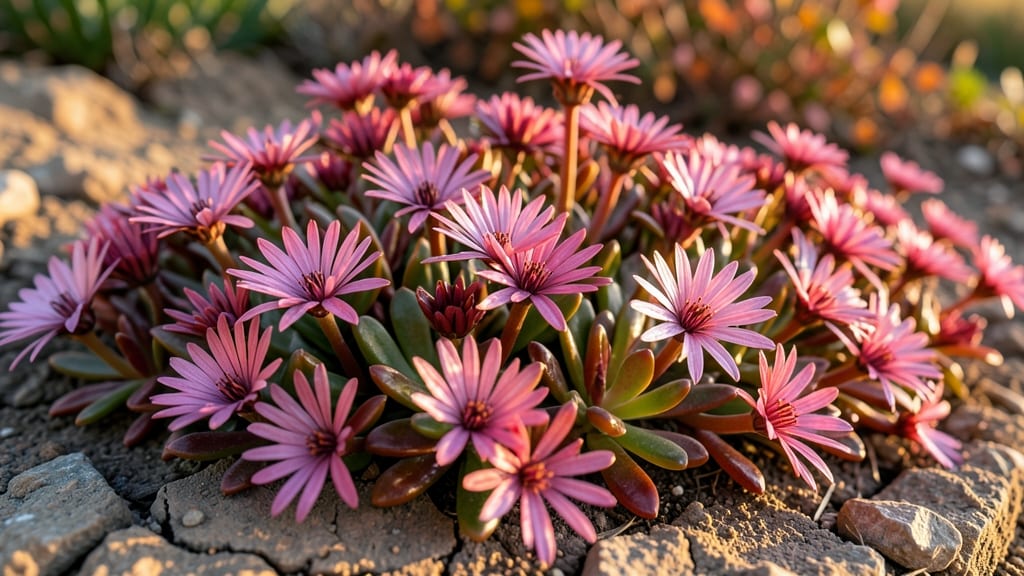
If your garden feels like it’s fading into monotone as summer ends, sedum (stonecrop) is the unsung hero that keeps things lively with its bold, star-shaped blooms. Unlike many late-season flowers, sedum thrives in dry, rocky soil and full sun, making it perfect for low-water landscapes where other plants struggle. Its flowers—available in pink, red, or white—add architectural flair to borders, containers, or even vertical gardens.
Choose varieties like 'Autumn Joy' for deep red blooms that darken as fall progresses, or 'Matrona' for compact clusters in soft pink. Sedum’s succulent leaves store water, so it’s drought-proof once established, and its late-season blooms (September through October) provide nectar for bees when food is scarce. Simply shear back dead foliage in spring to encourage fresh growth.
Rock garden enthusiasts and urban gardeners with limited water will love how sedum transforms dry spaces into vibrant focal points. Its low-maintenance nature makes it ideal for beginners or busy gardeners who still want autumn color without the fuss. 🌟
Russian Sage for Fragrant Purple Spikes
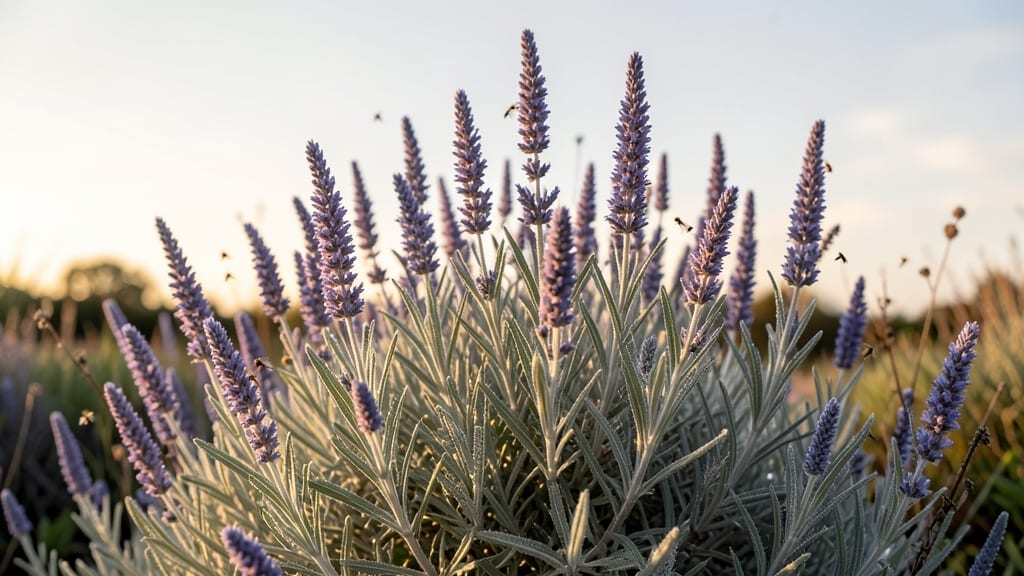
Looking for a fragrant, deer-proof plant that keeps blooming until November? Russian sage (Perovskia atriplicifolia) delivers lavender-blue spikes that attract pollinators while adding vertical drama to borders—no deadheading required. Its silvery foliage and woody stems also provide winter interest, making it a true multi-season workhorse.
This drought-tolerant perennial thrives in full sun and well-drained soil, perfect for USDA zones 5-9. Plant it in groups of 3-5 for maximum impact, spacing them 3-4 feet apart to create a striking backdrop. The aromatic foliage deters deer and rabbits, giving you peace of mind in rural areas. Prune back stems in early spring to encourage fresh growth.
Ideal for xeric gardens, pollinator-friendly landscapes, or cottage-style borders, Russian sage brings effortless elegance with minimal care. Pair it with sedum or black-eyed Susans for a late-season color show that lasts until frost. 💚
Cockscomb for Velvet Textures and Bold Shapes
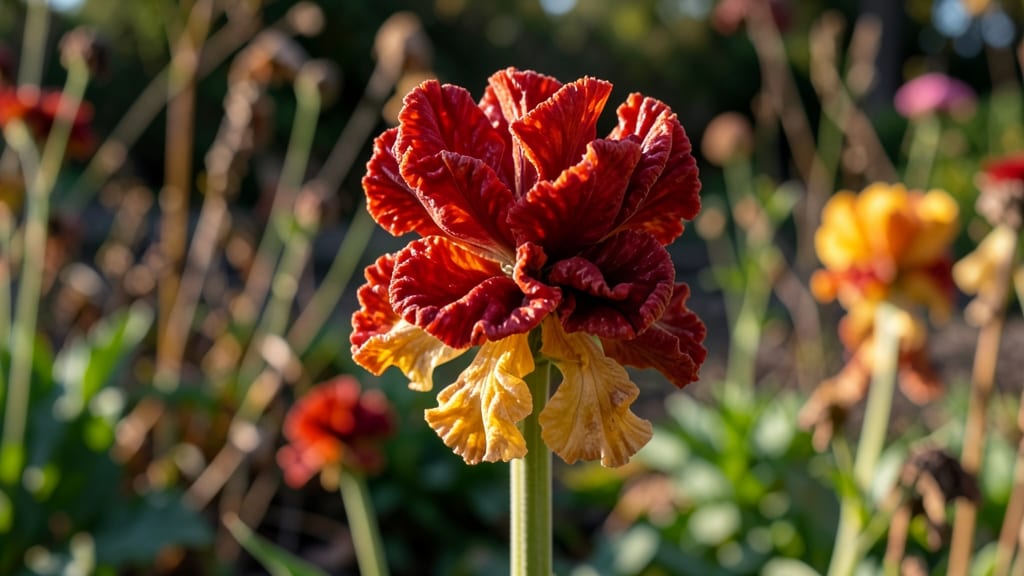
Looking to add a dramatic, conversation-starting plant to your late-season garden? Cockscomb (Celosia argentea) delivers with its velvety, brain-shaped blooms in fiery reds, oranges, or even gold—perfect for creating bold focal points when other flowers fade. Unlike traditional autumn blooms, cockscomb thrives in warm climates (USDA zones 2-11) and even performs well in containers, making it ideal for urban balconies or small-space gardens.
This annual (or tender perennial) loves full sun and well-drained soil, and its unique texture contrasts beautifully with grasses or mums. For extended blooms, pinch back young plants to encourage bushier growth, and deadhead spent flowers to keep energy focused on new blooms. Cockcomb’s drought tolerance means it’s also a low-maintenance choice for water-wise gardens.
Gardeners in containers or warm microclimates will love how cockscomb’s exotic shape elevates fall arrangements—try pairing it with ornamental peppers or dusty miller for a striking, long-lasting display. Its ability to bloom until frost makes it a hidden gem for late-season drama. 💪
Goldenrod for Late-Season Pollinator Support
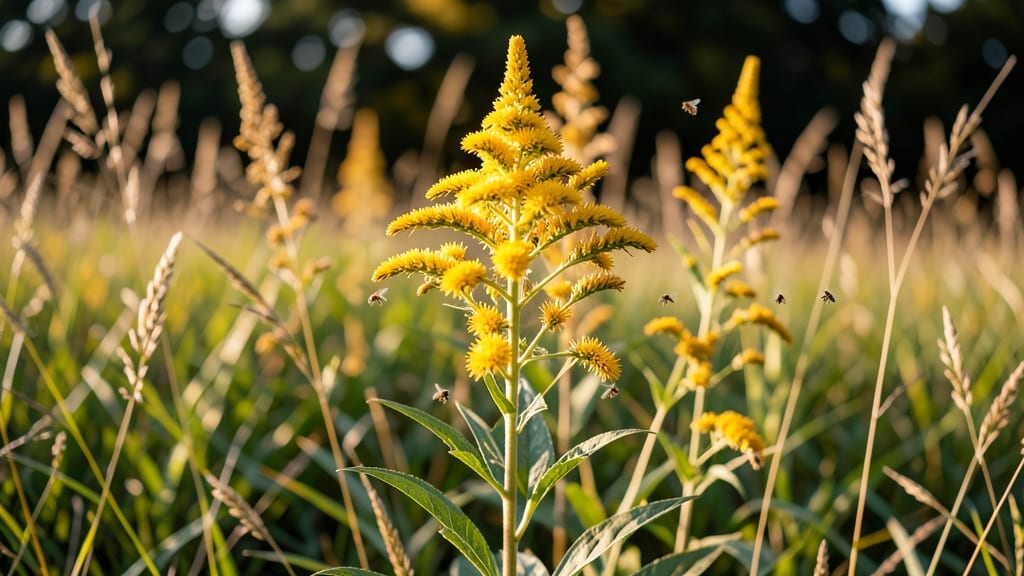
If you’ve ever blamed goldenrod for your fall allergies, think again—this native beauty is actually a pollinator powerhouse that keeps bees buzzing long after other flowers fade. While ragweed (the real culprit) sneaks by unnoticed, goldenrod’s bright yellow plumes stand tall in full sun gardens from September straight through hard frosts, offering a vital late-season food source.
Native to North America, goldenrod thrives in dry, well-drained soil and requires minimal care—just prune back stems in early spring to encourage bushier growth. Its ability to self-seed generously means you’ll get free plants year after year, creating natural meadows that attract butterflies and beneficial insects. For wildlife gardens, pair it with black-eyed Susans or sedum for a pollinator-friendly autumn display that keeps your garden alive until winter.
Perfect for beginner gardeners and wildlife enthusiasts, goldenrod proves that late-season beauty comes with zero guilt—and zero allergens. Let it shine as your garden’s unsung hero. 🌱
Sweet Alyssum for Honey-Scented Ground Cover

Looking for a fragrant, low-growing plant that adds a touch of magic to your autumn garden? Sweet alyssum (Lobularia maritima) is a tiny powerhouse with clusters of white or purple flowers that release a honey-like scent when brushed against—perfect for inviting pollinators and garden visitors alike. Unlike many late-season flowers, it thrives in cool weather and blooms continuously until the first frost, making it a reliable choice for extending your garden’s charm.
This annual or short-lived perennial (depending on your climate) loves full sun to partial shade and well-drained soil, making it ideal for edging pathways, spilling over container edges, or filling gaps in rock gardens. Varieties like ‘Snow Crystal’ (white) or ‘Violet Queen’ (purple) add soft color contrasts, while its compact growth (6–12 inches tall) fits seamlessly into small spaces. For extra blooms, pinch back young plants to encourage bushier growth, and deadhead spent flowers to prolong flowering.
Perfect for urban gardeners, container lovers, and pollinator-friendly designs, sweet alyssum brings both beauty and fragrance to late-season gardens without demanding much care. Plant it near seating areas or entryways to enjoy its sweet aroma up close. 🌷