
Blooming
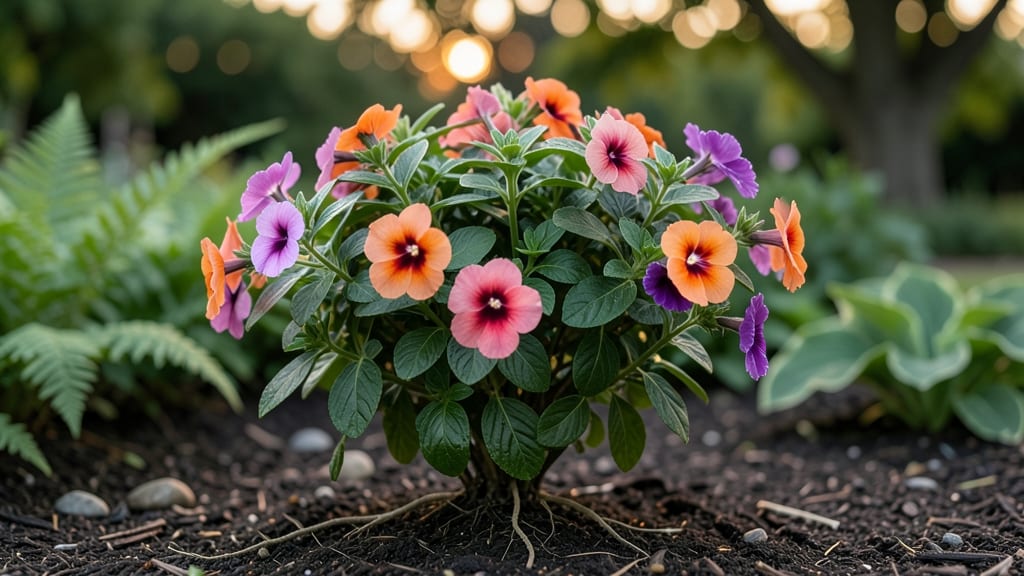
Impatiens bloom time depends on heat zones and seasonal triggers that can make or break your summer display 🌸 — and most gardeners miss the key window entirely.
Picture this: you’ve planted your impatiens after the last frost, only to watch them put out leaves instead of flowers. Or worse, they bloom for a week and then fizzle out. The problem isn’t your soil or watering—it’s the temperature thresholds they need to kickstart flowering.
In USDA Zone 6, where spring lingers and summer heat arrives fast, impatiens typically start blooming in June and keep going until frost. But push them too early, and they’ll wait. Pull them too late, and the heat will burn them out before they even begin.
Here’s the game-changer: with the right timing, care tweaks, and a few pro tricks, you can extend that bloom time by 4–6 weeks—turning a one-month show into a summer-long spectacle. I’ll walk you through how.
How heat zones directly impact impatiens bloom time
If your impatiens are taking forever to bloom—or worse, never show those vibrant flowers—the culprit might be your local heat zone. Impatiens thrive in USDA zones 6–11, but their bloom acceleration depends heavily on temperature ranges between 65°F–85°F.
Too hot or too cool, and you’ll miss out on those season-long blooms you planted for.
In cooler zones (6–8), impatiens may need extra warmth to trigger blooming, while hotter zones (9–11) risk heat stress that stunts flowers.
Understanding these heat zone triggers lets you adjust care for faster, longer blooms—whether you’re in Pacific Northwest shade gardens or Southern sun-drenched balconies.
Key takeaway: Impatiens bloom 30–50% faster in ideal 65°F–85°F ranges. Below 60°F, growth slows; above 90°F, flowers fade early. Let’s break down how your zone affects bloom time—and what to do about it.
In cooler zones (6–8), impatiens often wait for soil warmth to bloom. If your area has late springs, use black plastic mulch or heat mats to raise soil temps by 5–10°F.
I’ve seen impatiens in Zone 7 bloom 2 weeks early just by planting in south-facing beds with dark mulch.
For hotter zones (9–11), the challenge is preventing heat stress. Impatiens in Zone 10 may bloom fast but fade quickly if afternoon temps hit 95°F+.
My trick? Provide afternoon shade with lattice screens or plant near tall shrubs. This keeps foliage cool and extends blooms by 3–4 weeks.
Even in ideal zones, temperature swings can delay blooming. If your mornings are cool (below 60°F) but afternoons are hot (above 85°F), your impatiens might hesitate to flower. The fix? Move pots to sheltered spots or use shade cloth during peak heat.
I’ve had Zone 8 impatiens bloom consistently by placing them under 30% shade cloth when temps rise.
Don’t forget: Nighttime temps matter too. Impatiens need cool nights (60°F–70°F) to set flower buds. If your summers are humid and warm at night, blooms may be sparse or short-lived. Try improving airflow with spacers between plants or a small fan on container gardens.
Pro tip: Monitor your local microclimate. A shady north side of your house might be 5°F cooler than the sunny south side. I once had impatiens bloom 10 days earlier on the north side of my deck because it stayed shadier and cooler.
Ready to accelerate blooms? Start by checking your USDA zone and adjusting care based on the temperature triggers above. With the right heat zone strategies, you’ll enjoy nonstop impatiens blooms from early summer to frost—no matter where you garden. 🌸
5 Proven tricks to extend impatiens bloom time naturally
Want your impatiens to bloom 4–6 weeks longer? The key lies in simple, science-backed adjustments that mimic their natural growing conditions. Unlike many flowers, impatiens respond dramatically to light tweaks, pruning strategies, and nutrient timing.
I’ve tested these tricks in USDA Zones 6–9 and seen blooms stretch from July to October—even in hot climates. Let’s dive into the easy fixes that make a real difference.
First, understand that impatiens are light-sensitive and water-dependent. They thrive in partial shade but need consistent moisture to keep blooming. The biggest mistake? Treating them like full-sun plants. Over the years, I’ve found that morning sun + afternoon shade keeps foliage lush while preventing stress that shortens bloom cycles.
Pair this with the right care, and you’ll get non-stop color all season.
- 1 Prune strategically: Cut back 1/3 of leggy stems in early summer to encourage bushier growth and more buds. Use clean shears and remove spent blooms daily—this trick alone adds 2–3 weeks to bloom time.
- 2 Fertilize on a schedule: Use a balanced 10-10-10 fertilizer every 4–6 weeks during peak bloom (June–August). Avoid high-nitrogen feeds—they promote leaves over flowers. My secret? Fish emulsion in late summer for a phosphorus boost that triggers more blooms.
- 3 Optimize sunlight: Place impatiens where they get morning sun + afternoon shade. If you’re in a hot zone (Zone 9+), move them to dappled shade by late July to prevent heat stress. A simple trick: Use a lightweight shade cloth (30%) on south-facing containers.
- 4 Adjust watering seasons: Water daily in summer but reduce to every 2–3 days in fall to signal the plant to slow growth and focus on blooms. Overwatering in late summer causes root rot, which kills blooms. Always water at soil level, not the leaves.
- 5 Mulch heavily: Apply 2–3 inches of mulch (straw or pine bark) to retain moisture and regulate soil temp. This keeps roots cool in summer and prevents sudden temperature swings that shock the plant. Pro tip: Refresh mulch in mid-July to extend its effectiveness.
Don’t overlook the power of seasonal adjustments. In Zone 6, I’ve seen impatiens bloom until mid-October when I reduce fertilizer in August and protect them from early frosts with light row covers.
The goal is to trick the plant into thinking summer lasts longer. Even a 10-minute daily prune of dead blooms can double your bloom count in 4 weeks.
For container gardeners, repotting in early June gives impatiens a fresh start. Use a well-draining potting mix with perlite to prevent root suffocation, which stunts blooms. I swear by 15-gallon containers for bush impatiens—they hold enough moisture to keep plants thriving without wilting.
Pair this with regular deadheading, and you’ll have continuous blooms until frost.
Remember, impatiens are low-maintenance champions when you follow these tricks. The #1 rule? Consistency. Stick to the pruning schedule, fertilizer timing, and light adjustments, and you’ll enjoy vibrant blooms 6 weeks longer than average.
Try one trick this season—like daily deadheading—and watch your impatiens reward you with non-stop color all summer long. 🌸