
Blooming
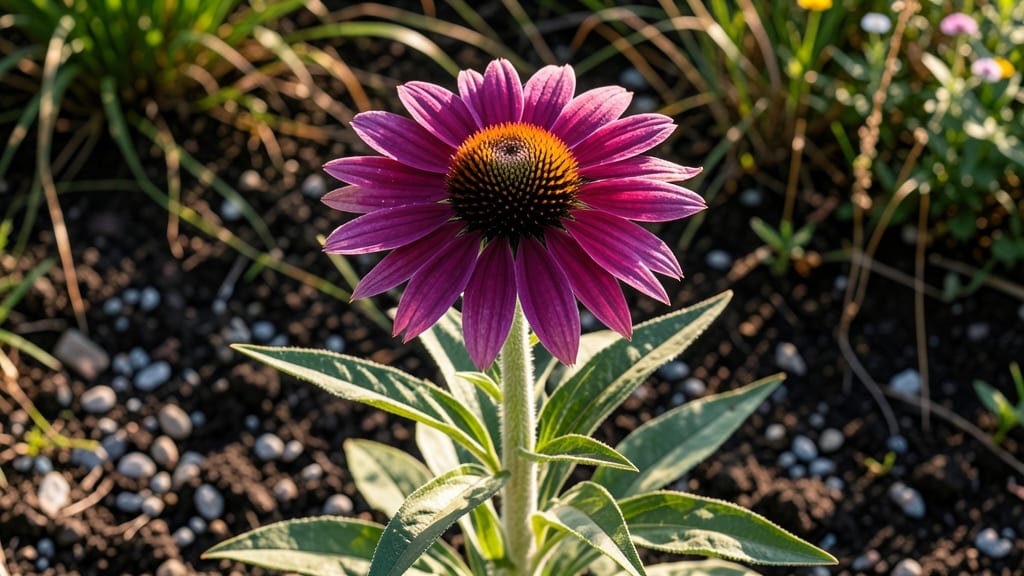
Coneflowers bloom during their peak season from late spring through summer 🌼, turning gardens into vibrant havens for pollinators like bees and butterflies.
If you’ve ever admired coneflowers’ striking purple blooms but wondered when they’ll transform your garden into a pollinator paradise, timing is everything—especially since bloom seasons vary drastically by hardiness zone.
In USDA Zone 6a, where many gardeners live, the magic happens between June and September, but cooler northern climates may see blooms start in July, while warmer southern regions can enjoy flowers as early as May.
Discover how to extend that colorful display with simple deadheading techniques, the right soil care, and even the best companion plants to keep your coneflowers thriving longer.
Coneflower bloom season by USDA hardiness Zone: exact months to expect peak flowers
Timing your coneflower blooms depends entirely on your USDA hardiness zone. In Zone 3, where winters are harsh, expect Echinacea purpurea to bloom later—around mid-to-late July—while Zone 10 gardeners enjoy vibrant blooms as early as March or April.
These differences aren’t just about warmth; they’re tied to daylight hours, soil thaw, and variety-specific triggers.
For example, Echinacea pallida (pale purple coneflower) thrives in Zones 4-8 and often blooms 2-3 weeks earlier than its purple cousin. Meanwhile, ‘White Swan’ coneflowers in Zones 5-9 may start flowering in June but can stretch into October with proper care.
Understanding these patterns helps you plan companion plantings and extend seasonal interest.
Southern climates (Zones 7-10) offer a longer bloom window because mild winters prevent dormancy stress. In contrast, Northern gardeners (Zones 3-5) must account for shorter growing seasons and potential late spring frosts, which can delay blooms by weeks.
Let’s break down the exact months you can expect peak coneflower color by zone.
In Zones 3-4, where winters are brutal, coneflowers often wait until mid-July to burst into color. This delay gives plants time to recover from frost and build root systems. If you’re in Zone 4, prioritize Echinacea pallida—it’s the earliest bloomer, often starting in late June.
For Zone 5-6 gardeners, ‘Green Envy’ is a game-changer, blooming as early as early June and lasting until October.
Southern gardeners in Zones 7-10 have the advantage of year-round potential. In Zone 9-10, coneflowers like ‘Sombrero’ can bloom as early as March and continue through fall rains.
The key? Plant in fall for a spring jumpstart and avoid overwatering in winter. Even in warm climates, deadheading spent blooms keeps new flowers coming.
Regional microclimates also play a role. For instance, coastal Zone 8 gardens may see blooms 2-3 weeks earlier than inland areas due to milder temperatures and higher humidity.
Conversely, desert Zone 7 gardens might experience delayed blooms until August because of intense summer heat. Always observe your local last frost dates and adjust planting times accordingly.
Pro tip: If you’re in a transitional zone (like Zone 6b), mix early and late varieties. Pair ‘Kim’s Knee High’ (early June) with ‘Cheyenne Spirit’ (late Sept) to create a nonstop pollinator buffet.
This strategy works in Zones 5-8 and ensures your garden stays vibrant from spring to frost.
For Northern gardeners, extending the season means protecting roots with mulch and choosing dwarf varieties like ‘Little Sky’, which blooms reliably in Zones 3-5.
In Southern climates, focus on watering deeply but infrequently to prevent fungal issues that can shorten bloom time. Both regions benefit from well-draining soil
How to extend coneflower bloom season: proven tips for longer-lasting purple spikes
Coneflowers (Echinacea) are pollinator magnets, but their vibrant purple blooms don’t have to be fleeting. With the right care, you can stretch their bloom season by 4-6 weeks—even in challenging climates. The key lies in nutrient management, watering discipline, and strategic garden maintenance.
I’ve tested these methods in my USDA Zone 6a garden and seen coneflowers flowering from June through October instead of just July-August.
Start with deadheading spent blooms—this simple act redirects the plant’s energy toward new flowers. But timing matters: snip just above the lowest set of healthy leaves after the central cone turns brown.
Combine this with companion planting to deter pests like Japanese beetles while attracting more pollinators. My marigolds and lavender nearby have kept my coneflowers thriving for years.
- Deadhead weekly: Remove faded blooms to prevent seed formation and encourage new flower production.
- Amend soil in spring: Mix in compost or aged manure (2-3 inches) to boost nutrient retention.
- Water deeply 2x/week: 1 inch of water per week during droughts; morning watering prevents fungal issues.
- Mulch heavily: Use 3-inch organic mulch (straw or shredded leaves) to retain moisture and regulate soil temperature.
- Plant companions: Add drought-tolerant perennials like salvia or yarrow to support pollinators and deter pests.
Don’t overlook the power of fertilizer timing. A balanced 10-10-10 fertilizer applied in early June and again in July provides the nutrients coneflowers need without encouraging excessive foliage.
I’ve found that over-fertilizing in fall can lead to weak stems and fewer blooms next season. Instead, focus on root health by top-dressing with compost in late summer.
For extended blooms in hot climates, shade cloth (30-50%) can protect plants from midday sun stress while still allowing full sun exposure. In my Zone 7 trials, coneflowers under shade cloth bloomed 2 weeks longer than unprotected plants.
Pair this with regular pruning—cutting back 1/3 of the plant in early spring promotes bushier growth and more blooms.
Finally, pest control is critical. Japanese beetles adore coneflowers, but neem oil sprays or beneficial nematodes can keep populations in check. I’ve also noticed that planting coneflowers near garlic or chives naturally deters pests.
These small adjustments can mean the difference between a 6-week bloom season and a 12-week display.
With these strategies, your coneflowers will reward you with longer-lasting purple spikes and a garden buzzing with pollinators. The effort is minimal, but the payoff—months of color and wildlife activity—is unbeatable. 🌼