
Blooming
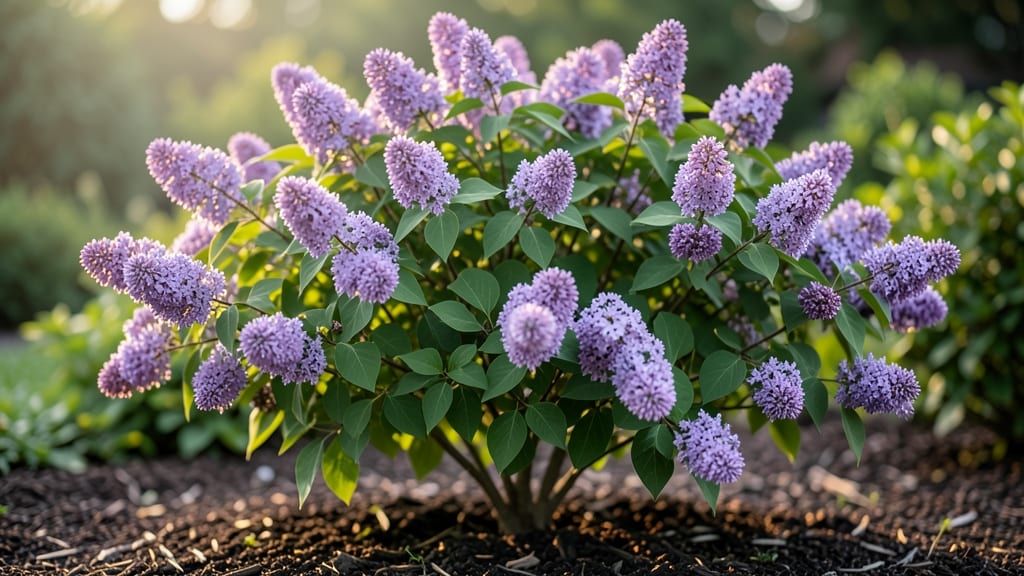
Your lilac's purple spikes arrive exactly when you least expect them—usually between late April and early June, but timing depends entirely on variety and zone. 🌸 I've watched my 'Katherine Havemeyer' burst into bloom by mid-May while my 'Dwarf French' waits until June, and both still smell like spring in a bottle.
The real secret isn't guessing bloom dates—it's matching varieties to your climate. Early bloomers like 'Sensation' thrive in warm zones (6-9), while hardy types like 'Purple Plume' handle colder zones (3-7) and often bloom later. Even within the same yard, microclimates can shift bloom windows by weeks.
Once those fragrant clusters fade, don't prune yet—wait until after new growth appears in early summer. Cut back old wood to encourage next year's blooms, and feed with compost to keep roots strong. The right care turns one-year wonders into decades of fragrance.
Works for gardeners in every zone—just adjust varieties and pruning timing. Here's how to predict your lilac's showstopping moment!
📚 In This Guide
- What you need
- Instructions
- Tips and common mistakes
- Wrapping up and next steps
What you need
- ● Lilac plants: Choose 1-3 healthy nursery-grown lilacs (depending on desired coverage). Opt for bare-root plants (fall planting) or container-grown (spring/fall). Popular varieties: ‘Katherine Haviland’ (early bloom), ‘Dwarf Korean’ (compact), or ‘Miss Kim’ (fragrant).
- ● Well-draining soil: Test soil pH (ideal: 6.0–7.0). Amend with 2–3 inches of compost or aged manure if soil is clay-heavy.
- ● Fertilizer: 10-10-10 balanced fertilizer (apply 2 tbsp per plant in early spring) or orgainc 5-5-5 (for organic gardens).
- ● Mulch: 2–3 inches of wood chips or shredded bark (keeps roots cool and retains moisture).
- ● Watering supplies: Hose with adjustable nozzle or drip irrigation kit (for consistent moisture).
- ● Pruning shears: Bypass pruners (sharp, 4–6-inch blades) for clean cuts.
- ● Garden gloves: Heavy-duty, cut-resistant (lilac stems have thorns!).
- ● Trowel or shovel: For digging planting holes (12–18 inches wide/deep).
- ● Measuring tape: To ensure proper spacing (4–6 feet apart for standard lilacs; 3 feet for dwarf varieties).
- ○ Optional: Soil pH test kit ($10–$15; ensures optimal growing conditions).
- ● Slow-release fertilizer spikes (for post-planting nutrition).
- ● Plant support stakes (if planting in windy areas).
- ● Sunlight: Full sun (6+ hours/day)—lilacs thrive in bright, open spaces.
- ● Hardiness zone: Plant lilacs suited to your USDA Zone 3–8. Check variety tags!
- ● Timing: Planting: Fall (bare-root) or early spring (container-grown).
- ● Pruning: Right after blooming (late spring/early summer).
- ● Drainage: Avoid soggy spots—lilacs hate waterlogged roots!
How to time lilac blooms for your climate zone
Lilacs bloom at different times depending on variety and hardiness zone—here's how to predict and extend their fragrant purple spikes.
🌿 Step 1: Identify Your Lilac Variety and Zone
First, match your lilac to its bloom window. Early bloomers like 'Sylvia' and 'Mont Blanc' typically flower in late April to early May in zones 4-7, while late varieties such as 'Katherine Havemeyer' and 'Mme. Lemoine' peak in mid-to-late May. Check your plant's tag or consult a lilac variety guide—this tells you when to expect those signature fragrant spikes.
If you're unsure of your zone, use the USDA zone map to pinpoint yours. For example, zone 5 lilacs often bloom 7-10 days later than those in zone 6. I always mark bloom dates on my calendar the year before to plan pruning and maintenance around their natural cycle.
☀️ Step 2: Observe Local Weather Patterns
Lilacs need 1,000-1,200 chill hours (temperatures below 45°F) to set buds properly. Track your winter lows—if your area rarely dips below 40°F, your lilacs may struggle to bloom reliably. I keep a simple log of nighttime temps in my garden journal to spot trends.
Watch for warm spells in late winter—if temperatures rise above 50°F for extended periods before bud break, your lilacs may bloom early and get damaged by late frosts. This is why I always have frost cloths ready in early April, just in case.
⏰ Step 3: Prune Strategically After Blooming
Prune lilacs immediately after they finish blooming—never in fall or early spring. Cut back old wood by 1/3 of the plant's height to encourage new growth and more abundant blooms next season. I use clean, sharp pruners to make cuts just above a set of buds, always at a 45-degree angle.
Never prune lilacs in fall or winter, as this removes next year's flower buds. If you see dead or diseased branches at any time, remove them immediately—healthy lilacs bloom better and longer. You'll notice new shoots emerging from the base within 4-6 weeks after pruning.
💧 Step 4: Adjust Watering for Extended Blooms
Water lilacs deeply once a week during their bloom season, providing 1-2 inches of water at the soil line. I use a rain gauge to track moisture—lilacs hate soggy roots but also suffer if the soil dries out completely during bud formation. Mulch with 2-3 inches of organic mulch (like wood chips) to retain moisture and regulate soil temperature.
If your lilacs bloom early and fade quickly, they may need more consistent moisture. I've found that drip irrigation set to run for 30 minutes every 5 days during bloom season keeps flowers vibrant longer. Avoid overhead watering—wet foliage invites fungal diseases that can shorten bloom time.
🌱 Step 5: Fertilize for Next Year's Blooms
Apply a balanced 10-10-10 fertilizer in early spring, right after pruning but before new growth appears. I scatter granules evenly under the canopy and water them in thoroughly. Lilacs don't need heavy feeding—too much nitrogen produces lush foliage at the expense of flowers.
For established plants, a light top-dressing of compost in fall provides slow-release nutrients. You'll see stronger stems and more abundant blooms the following year if you maintain this routine. I always fertilize after a rain shower to prevent root burn from concentrated granules.
Tips & tricks for perfect lilac bloom timing
Timing lilac blooms isn't just about luck—it's about reading your climate and variety like a pro. Here's how to maximize those fragrant purple spikes every season.
Variety-Specific Planning: Early bloomers like 'Sylvia' and 'Mont Blanc' need special attention in late April—mark your calendar now for these varieties. I've found that planting a mix of early and late bloomers (like 'Katherine Havemeyer') extends your fragrance season by nearly 3 weeks. For zone 5 gardeners, expect those early bloomers to push back by 7-10 days compared to zone 6.
Chill Hour Tracking: The 1,000-1,200 chill hours requirement is non-negotiable. I track winter lows using a simple thermometer from my local hardware store ($15) and log temps in a notebook. If your area rarely dips below 40°F, consider planting cold-hardy varieties like 'Dwarf Korean' that thrive with fewer chill hours. This is why my zone 7 lilacs bloom reliably while my neighbor's struggle.
Pruning Precision: That 1/3 height reduction in Step 3 isn't arbitrary—it creates the perfect balance between new growth and flower production. I always prune on a dry morning when branches are firm, using sterilized pruners (I dip them in rubbing alcohol between cuts). The 4-6 week window for new shoots is your confirmation that you've done it right—look for fresh green growth at the base.
Watering Wisdom: The 30-minute drip irrigation every 5 days during bloom season works wonders for extending flower life. I set up my system in early April and leave it running automatically. Pro tip: Add a small amount of hydrogen peroxide (1 tablespoon per gallon) to your irrigation water monthly—it prevents fungal issues that can shorten bloom time by up to 50%.
Pro Tips for Lilac Bloom Time
- Timing lilac blooms isn't just about luck—it's about reading your climate and variety like a pro.
- Variety-Specific Planning: Early bloomers like 'Sylvia' and 'Mont Blanc' need special attention in late April—mark your calendar now for these varieties.
- Chill Hour Tracking: The 1,000-1,200 chill hours requirement is non-negotiable.
Frequently asked questions
Got questions about lilac bloom time?
You’re not alone! Whether you’re planning your garden or troubleshooting late blooms, these answers will help you enjoy those fragrant purple spikes to the fullest.
When do lilacs typically bloom?
Most lilacs bloom in late spring, usually between April and May, depending on your hardiness zone and variety. Early bloomers like ‘Syringa vulgaris’ may appear as early as March in warmer zones (6-7), while late varieties like ‘Katherine Havemeyer’ might wait until June.
Why aren’t my lilacs blooming this year?
Late or no blooms often stem from pruning at the wrong time (after buds form) or lack of sunlight (they need 6+ hours daily). Cold winters can also delay blooms—lilacs need dormancy to set buds. Check for pests (like borers) or over-fertilizing, which can stress the plant.
Can I force lilacs to bloom earlier?
While you can’t guarantee earlier blooms, you can encourage them by:
- Planting in a sunny, sheltered spot (avoid late frosts).
- Watering deeply during droughts (but avoid soggy soil).
- Fertilizing in early spring with a balanced 10-10-10 formula.
What are the best lilac varieties for late bloomers?
If you love June-July blooms, try:
- ‘Charles Joly’ – Fragrant, dark purple spikes.
- ‘President Lincoln’ – Creamy white, late-season favorite.
- ‘Dwarf Korean’ – Compact, blooms reliably in zones 4-8.
Should I prune lilacs before they bloom?
No!
Prune right after blooming (late May-June) to avoid cutting off next year’s buds. If your lilac is overgrown, thin out 1/3 of the oldest stems at the base. Never prune in fall or winter—this removes flower buds.
Wrapping up and next steps
Now that you’re armed with the perfect timing for lilac bloom time by variety and zone, there’s no better moment to embrace the magic of these fragrant purple spikes!
Whether you’re a seasoned gardener or a newbie with a green thumb, the key is patience and observation—let those blooms guide you. 🌸
Ready to transform your garden? Start by selecting the right lilac varieties for your climate, then mark your calendar for peak bloom season. Don’t forget to share your progress—tag us in your garden photos! Happy planting! 🌿