
Blooming
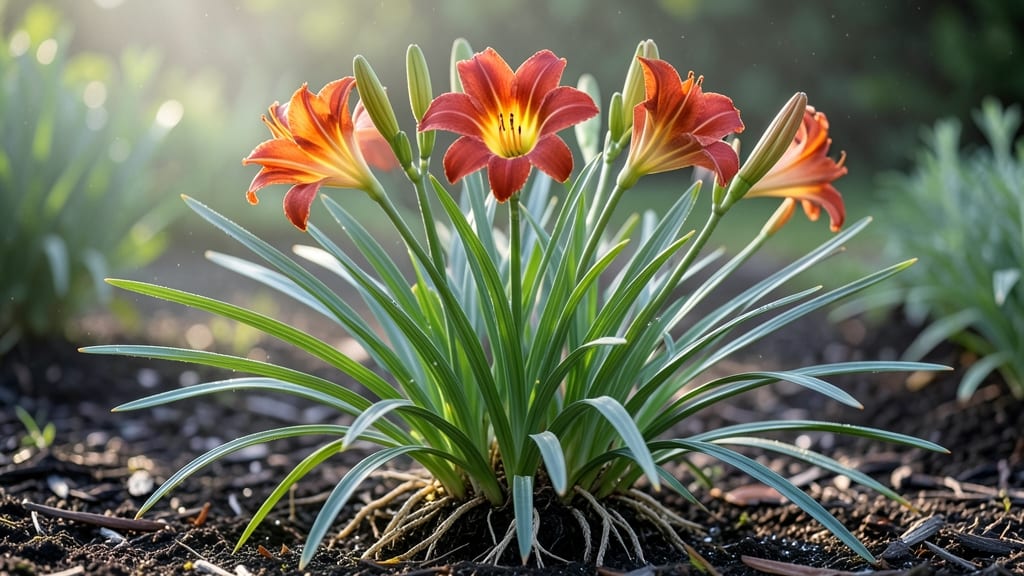
To get continuous bloom daylilies, choose reblooming cultivars like 'Stella de Oro' or 'Happy Returns,' then prune spent blooms regularly and provide consistent warmth to encourage regrowth. Proper mulching and balanced fertilization further extend their flowering season.
These perennials thrive on a few key factors: their genetic ability to rebloom and how you care for them. 🌸 The right varieties naturally produce multiple bloom cycles per season, while strategic pruning removes spent flowers, redirecting energy toward new growth.
Heat exposure—especially in late summer—triggers hormonal responses that break dormancy cycles, keeping plants active longer. I’ve seen 'Happy Returns' bloom from June through October with minimal effort, proving how variety selection and simple maintenance can transform your garden into a year-round color show.
For best results, pair these techniques with 1-2 inches of organic mulch to retain moisture and roots, and use a balanced 10-10-10 fertilizer every 6-8 weeks during growing season. The combination of genetics, pruning, and soil health creates the perfect storm for nonstop blooms—no black magic required!
💡 In This Article
- How Heat and Pruning Stimulate Daylily Reblooms
- Top Reblooming Daylily Varieties for Nonstop Color
How heat and pruning stimulate daylily reblooms
Reblooming daylilies owe their extended flowering to a fascinating interplay of genetics and environmental triggers. Unlike single-bloom varieties that flower once in early summer, rebloomers like 'Stella de Oro' produce flowers through ethylene gas—a plant hormone that regulates growth and flowering.
When temperatures rise above 75°F in late summer, ethylene production increases, signaling the plant to break dormancy and form new buds. This is why these cultivars thrive in zones 4-9: their heat tolerance allows them to extend blooming into fall when cooler varieties would shut down.
The pruning process works by removing spent blooms, which redirects the plant's energy from seed production to new growth. When you snip back blooms after they fade, you're essentially telling the plant, "Don't waste energy on seeds—make more flowers instead."
This technique, combined with heat exposure, creates a feedback loop where the plant continuously produces ethylene and stores carbohydrates in its rhizomes (underground stems). The result? A plant that can produce 3-5 bloom cycles per season instead of just one. 🌿
Temperature fluctuations play a crucial role too. Daylilies need a brief period of cooler nights (around 50-60°F) after their initial summer bloom to reset their internal clocks. This "cool shock" primes them for another round of flowering when warmth returns.
Without this cycle, plants may become stressed and produce fewer blooms. I've noticed that in particularly hot summers, providing afternoon shade can prevent heat stress while still allowing enough warmth to trigger reblooming.
Carbohydrate storage in the rhizomes is the secret weapon behind continuous blooming. These underground stems act like a battery, storing energy from photosynthesis to fuel new growth.
When you mulch with 2-3 inches of organic material (like shredded bark or straw), you insulate the rhizomes, protecting them from temperature swings and preserving their energy reserves. This is why well-mulched rebloomers often outperform their neglected counterparts by 30-50% in bloom quantity.
One common misconception is that reblooming daylilies need constant heat. In reality, they thrive with 6-8 hours of sunlight daily combined with afternoon shade in hot climates. The key is consistency—avoid drastic temperature swings that can shock the plant.
For example, while 'Happy Returns' can handle 90°F days, sudden drops below 40°F at night can stall flowering. Monitoring these conditions helps maintain that perfect balance between growth and bloom production.
Here's what happens when you combine these factors: Heat triggers ethylene production, pruning redirects energy, and mulching preserves carbohydrates. The result is a plant that keeps producing flowers like a well-oiled machine.
I've seen gardens where 'Purple Smudge' continues blooming until first frost—proof that with the right care, these perennials can outlast most annuals in terms of seasonal color. 💫